Explore our elite selection of pharmaceutical-grade glass vials, high-barrier cosmetic ampoules, and innovative dispensing systems manufactured to meet stringent ISO standards.
The global demand for high-integrity pharmaceutical packaging has reached unprecedented heights, driven by advancements in biologics, vaccines, and high-potency cosmetic serums. Injection ampoule bottles, particularly those constructed from Type I Neutral Borosilicate Glass, serve as the primary containment choice. This choice is predicated on their exceptional chemical inertness, which prevents interaction between the active pharmaceutical ingredients (APIs) and the glass surface.
In both medical and clinical skincare sectors, ampoules offer a critical advantage: absolute hermetic sealing. Unlike traditional vials with rubber stoppers, ampoules are entirely fused in glass, eliminating risk pathways associated with oxygen permeation, elastomeric extractables, and microbial contamination. This makes them indispensable for oxygen-sensitive formulations, preservative-free cosmetics, and single-use parenteral therapeutics.
North American and European markets continue to tighten regulatory benchmarks (such as USP <660> and EP 3.2.1), pushing suppliers toward zero-defect manufacturing lines. Meanwhile, the Asia-Pacific region, led by advanced industrial clusters in China, has transformed into a dominant production epicenter, bridging the gap between high-volume yield and micro-level quality tolerances.
| Glass Type | Linear Expansion Coeff. | Hydrolytic Resistance | Primary Application |
|---|---|---|---|
| Type I (Neutral Borosilicate) | 5.0 / 7.0 × 10⁻⁶ K⁻¹ | Class HGB1 (USP Class I) | Parenteral Injectables, High-End Serums |
| Type II (Treated Soda-Lime) | 9.0 × 10⁻⁶ K⁻¹ | Class HGB2 (USP Class II) | Acidic/Neutral Aqueous Preparations |
| Type III (Soda-Lime Glass) | 9.0 × 10⁻⁶ K⁻¹ | Class HGB3 (USP Class III) | Non-parenterals, Oral Liquids, Oils |
How modern glass science minimizes extractables, enhances breakage control, and secures product integrity.
Standard glass packaging can undergo delamination, releasing micro-scale glass flakes into the liquid. Modern manufacturing uses chemical tempering and controlled cooling profiles to construct stable silicon-oxygen networks, dramatically lowering sodium and calcium ion migration.
Transitioning from traditional file-cut configurations to OPC (One Point Cut) and Color Break Ring (CBR) mechanics. This ensures clean, micro-particle-free opening protocols, protecting clinical practitioners and end consumers from glass shrapnel.
For photosensitive active components, such as Retinol, Vitamin C, and complex peptide chains, advanced amber-glass formulation blocks up to 99% of damaging ultraviolet and short-wave blue light, extending shelf-life without chemical preservatives.
Looking to the future, the integration of smart tracking systems (such as laser-etched 2D data-matrix codes directly on the glass collar) is revolutionizing supply chain traceability. This allows pharmaceutical and high-end cosmetic brands to verify batch-level authenticity instantly, combating counterfeit products in the global marketplace.
The global packaging economy relies heavily on China's manufacturing clusters for one simple reason: unrivaled end-to-end integration. From primary quartz sand sourcing and gas-fired high-precision melting furnaces to post-processing automation, the complete ecosystem exists within a highly localized radius.
Dongguan Aurelia Glass Co., Ltd. stands as a premier example of this manufacturing strength. Operating as a specialized supplier that integrates design, development, and production of cosmetic and medical-grade glass packaging products, Aurelia Glass leverages these systemic efficiencies to offer highly competitive lead times and robust customization capabilities.
By coordinating production near major transport hubs like Guangzhou and Shenzhen, Chinese manufacturers assure seamless global logistics. Furthermore, our raw material security and energy-efficient furnace technologies shield global buyers from sudden supply shocks, ensuring reliable, long-term delivery contracts.
How different regions and industries tailor ampoule packaging to their specific technical and cultural requirements.
Strict FDA and EMA compliance protocols require Type I Neutral Borosilicate glass with comprehensive DMF (Drug Master File) documentation. Used in critical care, anesthetic delivery, and emergency vaccine distribution channels where packaging failure is not an option.
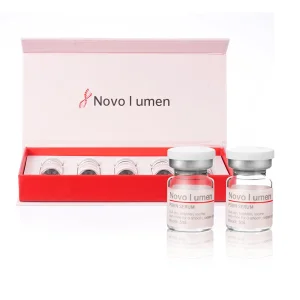
Highly specialized in mesotherapy, dermal boosters, and microneedling serums. Demand centers on ultra-precise 1ml, 2ml, and 5ml ampoules, requiring zero-impurity glass profiles that withstand autoclave sterilization without losing structural integrity.
The "active beauty" revolution utilizes ampoules to preserve highly unstable compounds. Brands globally leverage customized branding options—such as frosting, hot stamping, and silk screening—to create a premium, medical-grade opening ritual for consumers.
Dongguan Aurelia Glass Co., Ltd. specializes in glass packaging for cosmetics and high-potency formulations. Our portfolio spans a complete range of water, lotion, cream, essence, perfume, and foundation liquid bottles, all engineered with high-durability glass. We provide comprehensive, one-stop processing services including surface sanding, precision color spraying, screen printing, and hot stamping.
We firmly operate on our core business philosophy: "Quality is the foundation, service is the essence, and talent is the soul." By integrating modern processing technologies with robust quality-control systems, we continuously push the boundaries of packaging engineering to realize our customers' product visions.
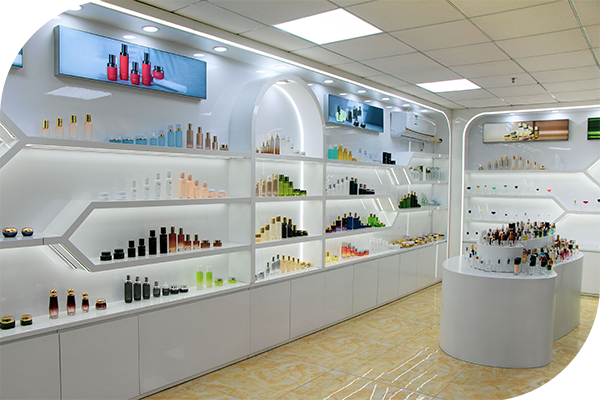
To experience our textures and designs firsthand, global buyers are invited to explore our Guangzhou Exhibition Hall, showcasing our diverse, beautifully finished glass concepts under real-world lighting conditions.

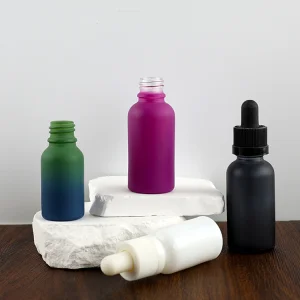
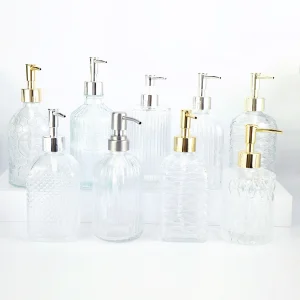
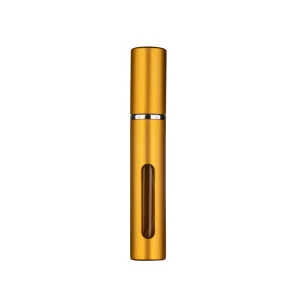
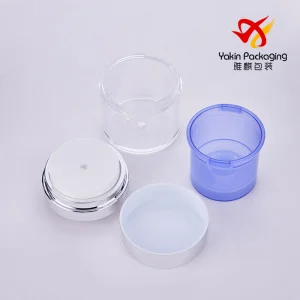
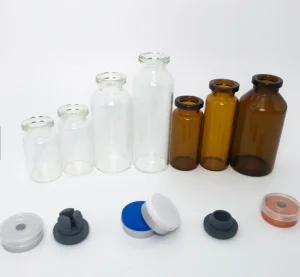
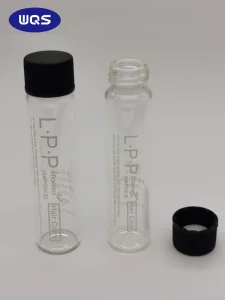
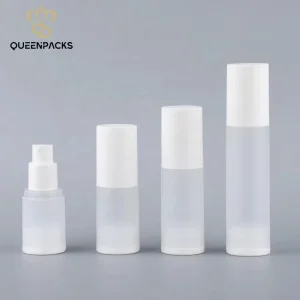
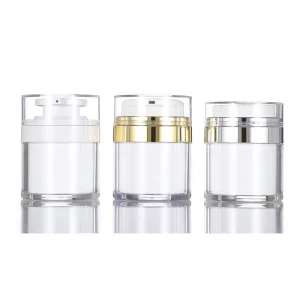
Complementary products to optimize your brand's packaging ecosystems—from diagnostic sample vials to luxury dispensing pump jars.
Navigating different local standards is a major challenge when importing primary glass containers. Our manufacturing lines run under strict adherence to international standard protocols, facilitating smooth customs clearance and quality validations in your destination country:
Additionally, we provide localized import support for brands in the EU, US, and Southeast Asia. We supply full documentation packages—including Certificates of Analysis (COA), sterilization reports, and food-grade safety declarations—to satisfy regional regulatory reviews and minimize import bottlenecks.
Technical answers to critical sourcing, production, and material selection questions.
 Aurelia Glass