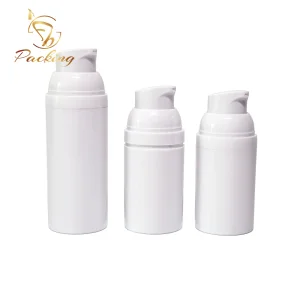
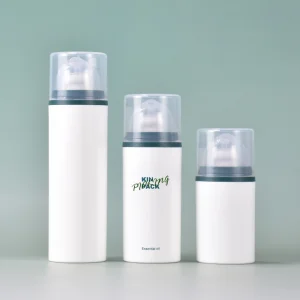
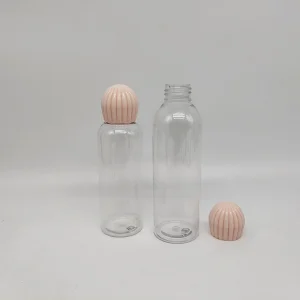
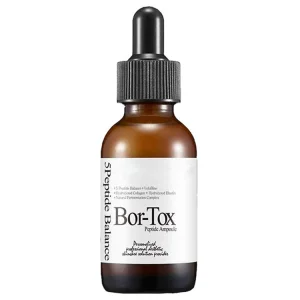
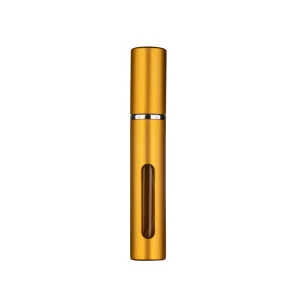
Engineered for absolute formulation integrity, dosage precision, and user experience.
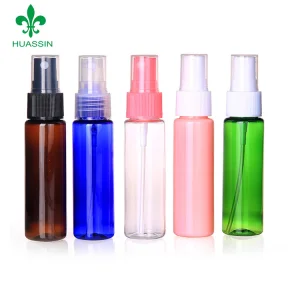
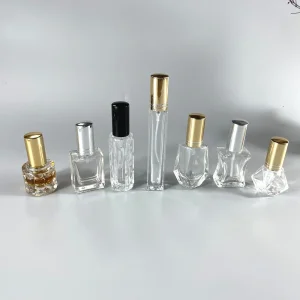
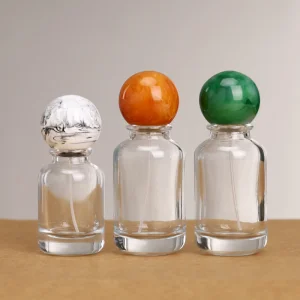
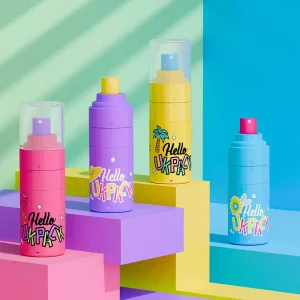
The global cosmetic packaging and pharmaceutical glass packaging landscape has undergone a monumental shift toward high-performance delivery systems. The traditional bottle is no longer just a container; it has evolved into a key brand touchpoint, a shield for sensitive active ingredients, and a mechanical solution to prevent oxidation. At the center of this evolution is the dispenser pump bottle, which utilizes advanced hydraulic or airless mechanics to dose precise quantities of product while safeguarding formulation stability.
For procurement professionals, brand managers, and product engineers sourcing globally, identifying a manufacturing partner is not merely about finding the lowest cost per unit. It demands a thorough evaluation of technical competencies, raw material provenance (such as medical-grade glass, PP, or PCR plastics), cleanroom manufacturing environments, and supply chain resilience. This whitepaper analyzes the market trends, engineering paradigms, and leading manufacturing landscapes—most notably represented by advanced hubs in China—that are defining the future of commercial dispensing packaging.
To remain competitive, brands must stay ahead of the technical advancements reshaping the packaging sector. Sourcing strategies in 2025 and beyond are centered around three core transformations:
Modern skincare formulations utilize unstable active agents like Retinol, Vitamin C, and Peptides. Airless pump bottles prevent atmospheric contact, eliminating oxidation and extending product shelf-life without excessive chemical preservatives.
Global regulations dictate a significant reduction in virgin plastics. Top manufacturers are engineering monomaterial pumps—replacing the internal stainless steel spring with PP/PE wave springs—making the entire pump assembly 100% recyclable in a single stream.
Premiumization in the cosmetics space demands bespoke packaging. This requires factories to offer comprehensive post-processing treatments—including glass frosting, electrostatic spraying, metallic hot stamping, and high-fidelity screen printing.
Global buyers in regions like North America, Western Europe, and Japan look beyond price lists. Under Google's E-E-A-T (Experience, Expertise, Authoritativeness, Trustworthiness) criteria, trust is established by manufacturers who provide robust engineering certifications, clear material disclosures, and strict quality assurance pathways. The critical evaluations must focus on:
The modernization of China’s packaging production hubs has created a manufacturing model that is virtually unmatched in its scope. Exemplified by leading manufacturers like Dongguan Aurelia Glass Co., Ltd., China's factory floors have evolved from labor-intensive assembly lines to smart, highly automated ecosystems.
Specializing in high-end cosmetic glass packaging, Dongguan Aurelia Glass Co., Ltd. produces comprehensive lines of water bottles, lotion bottles, cream jars, essence bottles, perfume sprayers, and foundation liquid bottles. Their integration of mechanical precision with advanced post-processing allows them to deliver products that meet strict international aesthetic and functional requirements.
"Quality is the foundation, service is the essence, and talent is the soul." This business philosophy drives their integration of modern high technologies, secure communication pathways, and diverse information networks to streamline international business cooperation.
Dongguan Aurelia Glass Global Client Distribution and Logistics Network

Smart logistics center demonstrating modern warehouse management systems (WMS)
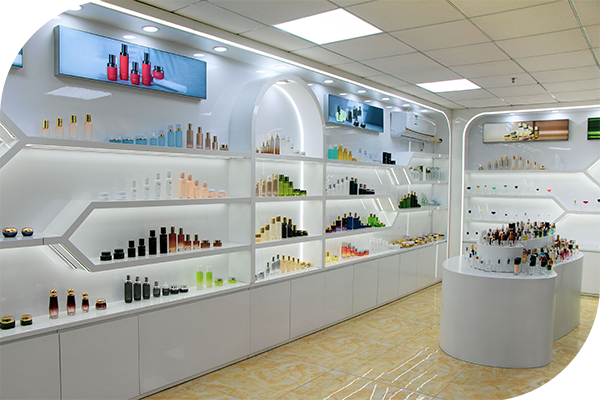
As an industry veteran with over a decade of production excellence, Dongguan Aurelia Glass Co., Ltd. designs, develops, and manufactures cosmetic packaging tailored specifically to brand needs. Their Guangzhou Exhibition Hall serves as a creative hub, allowing brand developers to tactilely evaluate the weights, glass clarity, and mechanical actuation of different dispenser bottles.
Our mission is to become the most trusted packaging partner for global customers. We are committed to providing innovative, sustainable, and high-quality packaging solutions to help brands stand out in highly competitive markets. Through continuous refinement of manufacturing technologies, optimization of operational processes, and strict quality control standards, we redefine excellence in packaging, ensuring every detail aligns with our customers' vision.
Key metrics highlighting our manufacturing footprint and quality metrics.
An analysis of the world's leading dispensing packaging manufacturers, highlighting their core advantages, materials, and regional strengths.
Specialization: Premium Glass Cosmetic & Skincare Bottles, Airless Press Systems, Droppers, & Perfume Atomizers.
Technical Edge: Offering full, vertical integration from structural glass design and molding to post-mold processing (frosting, silkscreen printing, vacuum metallization, and hot stamping). Aurelia is renowned for its thick-walled glass jars and premium cosmetic bottles that provide a luxurious tactile feel, coupled with precise pump systems tailored to various viscosity levels.
Specialization: Pharmaceutical and high-end beauty dispensing systems, aerosol valves, and custom closures.
Technical Edge: A global leader in dispensing technology, Aptar is celebrated for its highly advanced engineering of airless systems and medical-grade sprayers. They lead in PCR resin implementation and food/drug-grade dispensing compliance.
Specialization: Home, garden, beauty, and healthcare pump components.
Technical Edge: Pioneers of the "metal-free pathway" pump engine (such as their Pearl® 2 series). They excel in building high-output, durable triggers and lotion pump actuators that maintain constant delivery profiles over high cycles.
Specialization: Tubes, cosmetics packaging, and fine-mist perfume sprayers.
Technical Edge: Strong focus on sustainability, offering a wide array of PCR-PET, bio-resin, and refillable airless systems. Their high-end fragrance pumps feature some of the finest spray patterns in the industry.
Specialization: Precision blow-molded bottles and high-end cosmetics pump systems.
Technical Edge: World-renowned for exceptional manufacturing tolerances and strict QA checks. Yoshino is the preferred choice for major Japanese beauty brands that require precise mechanical touch, sound, and visual perfection.
Specialization: Rigid plastic containers, closures, and dispenser caps.
Technical Edge: Unmatched scale of production and massive material access. Berry is the perfect fit for high-volume consumer goods, food, and industrial soap/sanitizer dispensing needs.
Specialization: Industrial, chemical, and heavy-viscosity dispenser pumps.
Technical Edge: Experts in handling aggressive formulations, heavy creams, condiments, and industrial soaps. Their pumps offer heavy-duty lock-down features and chemical-resistant gasket choices.
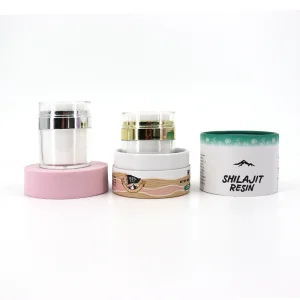
Specialization: Luxury cosmetic packaging, airless glass systems, and custom cosmetic jars.
Technical Edge: Combining Italian design aesthetics with functional airless protection. Their "Touch" and "Envers" systems allow clean, hygienic cream dosing from premium glass jars.
Specialization: High-end skincare airless bottles and compact cases.
Technical Edge: Renowned for innovation in airless technology and double-wall structural design. They support the fast-paced K-beauty market with highly reactive designs and rapid tooling capabilities.
Specialization: Micro-spray pumps, aerosol valves, and customized actuators.
Technical Edge: Exceptional engineering of micro-dosing systems (0.05ml and below) for medical, oral, and specialized cosmetic applications, providing consistent droplet sizes and uniform spray patterns.
Different industries demand distinct physical and chemical performance profiles from dispenser bottles.
Requires airless plastic or opaque glass options with light barrier protection. High viscosity requires bottom-piston mechanics instead of traditional dip tubes.
Demands high-clarity crystal glass, leak-proof neck sizes (e.g., FEA 15, screw thread), and atomizers configured for broad, fine-droplet coverage.
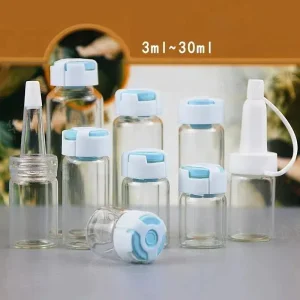
Utilizes tubular or molded neutral borosilicate glass vials with medical-grade rubber tips and snap-on dispenser caps for sterile dosing.
Expert technical answers to critical sourcing queries, designed to guide procurement teams through structural challenges.
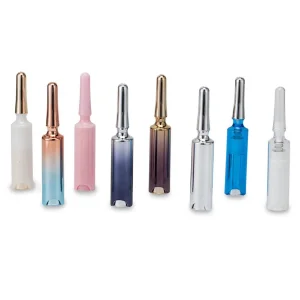
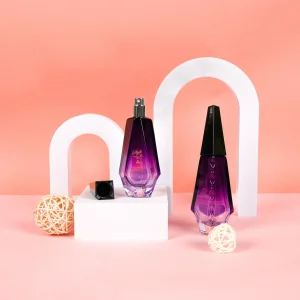
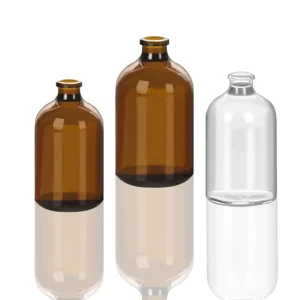
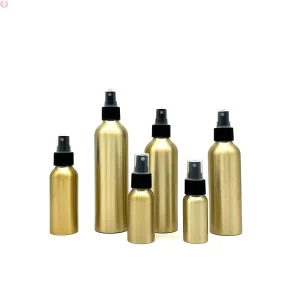
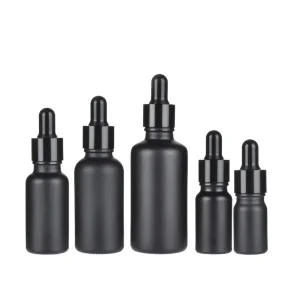
Discover our highly versatile packaging line, optimized for essential oils, perfumes, medical injections, and skin treatments.
 Aurelia Glass