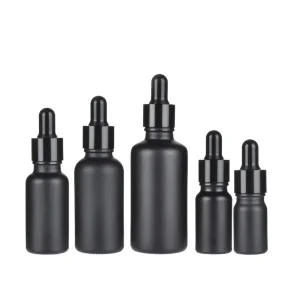
Explore our elite selection of performance-focused glass dropper and lotion bottles, designed to safeguard active cosmetic compounds and enhance brand aesthetics.
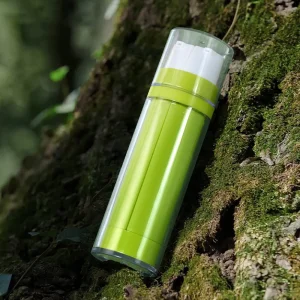

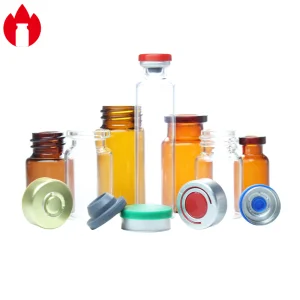
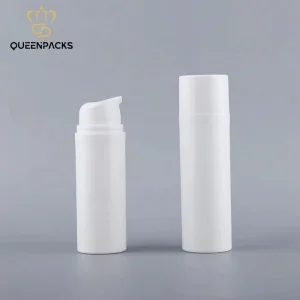
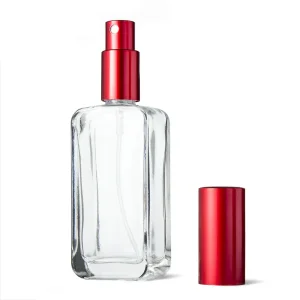
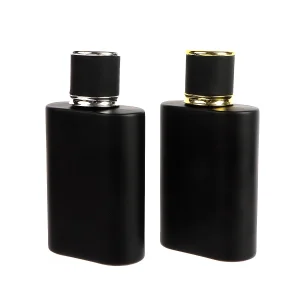
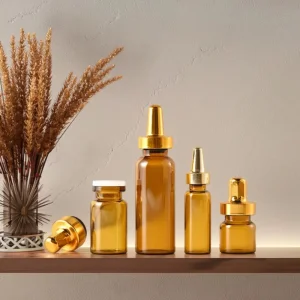
Analysis of the global glass packaging footprint, highlighting shift dynamics, material certifications, and growth vectors within advanced cosmetic and cosmeceutical sectors.
The international market for cosmetic primary packaging has experienced a significant transition. Driven by consumer preferences for eco-responsible luxury and the growth of active, dermatological-grade skincare, round glass dropper bottles have emerged as the gold standard for clinical serums, botanical oils, and fluid makeup foundations.
Unlike plastic resins which are prone to chemical permeation, structural leaching, and environmental stress cracking, Type III borosilicate and soda-lime glass dropper bottles maintain absolute formula integrity, acting as an impermeable barrier against oxygen ingress and moisture loss.
Modern cosmeceuticals utilize sensitive compounds like Ascorbic Acid (Vitamin C), Retinoids, and Peptides. High-quality amber, matte black, and UV-absorbing colored glass configurations block harmful light spectra, slowing down photo-oxidation and extending active ingredient shelf-life.
Glass is a naturally derived material that is 100% infinitely recyclable. As consumer beauty brands shift toward eco-responsible standards, incorporating post-consumer recycled (PCR) glass and designing refillable dropper modules helps brands meet corporate ESG benchmarks.
| Material Category | Chemical Resistance Rating | UV Light Block Rate (290-400nm) | Recyclability Rating | Ideal Application Profiles |
|---|---|---|---|---|
| Amber Soda-Lime Glass | Class HPS 1 (High) | > 98% | 100% (Infinite) | Pure Retinols, Direct Acids, Essential Oils |
| Flint Glass (Clear Coating Option) | Class HPS 2 (Standard) | Varies with Coating | 100% (Infinite) | Hyaluronic Acid, Hydration Serums, Foundations |
| Borosilicate Tubular Glass | Class 1 USP (Maximum) | > 99% (Amberized) | 100% (Infinite) | Lyophilized Powders, High-Potency Medical Vials |
| PET / PP Alternative Materials | Class HPS 3 (Moderate) | Low (Unless pigmented) | Limited Cycles | Entry-level Lotions, Travel-size Toners |
Dongguan Aurelia Glass Co., Ltd. specializes in glass packaging for cosmetics. Their products include water, lotion, cream bottles, essence bottles, perfume bottles, foundation liquid bottles, etc., all made of glass. We offer one-stop processing services such as surface sanding, color spraying, screen printing, and hot stamping for glass bottles.
The company firmly believes in the business philosophy of "Quality is the foundation, service is the essence, and talent is the soul", actively applying modern high technologies and convenient communication methods, combined with diverse information channels to power downstream growth and deliver unbeatable reliability.

Dongguan Aurelia Glass Co., Ltd. is a supplier that integrates the design, development and production of cosmetic packaging products. It provides services specifically for cosmetic brands.
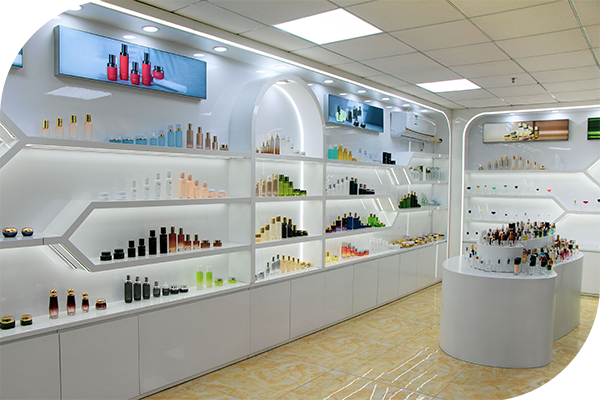
Our dedicated Guangzhou Exhibition Hall offers a wide variety of products. In the cosmetics bottle exhibition hall, you can freely touch and experience. Various types of cosmetics bottles shine brightly under the lights, showcasing their unique texture charm. Here, you can find all kinds of products that suit your preferences, from premium heavy-base glass options to contemporary minimalist dropper sets.
Our Mission: Our mission is to become the most trusted packaging partner for global customers. We are committed to providing innovative, sustainable and high-quality packaging solutions to help brands stand out in the highly competitive market. Through continuous improvement of manufacturing technologies, optimization of operational processes and strict quality control standards, we have redefined excellence in the packaging field to ensure that every detail meets the needs and visions of our customers.
Key technological transformations driving the evolution of round dropper packaging designs, functionality, and formulation protection.
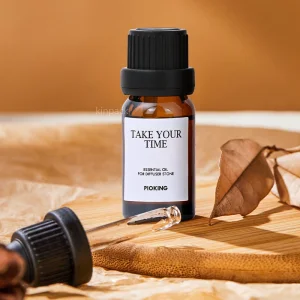
Precise dosage delivery is critical. Custom-calibrated rubber bulbs (in NBR, silicone, or butyl rubber) and graduated glass pipettes ensure accurate application. We construct precise tip shapes, including ball-tip, bent-tip, and fine-line tapered pipettes, supporting exact serum volumes (0.25ml to 1.0ml) per activation.
Traditional rubber bulb droppers pose issues for complete recycling sorting. High-end brands are transitioning to auto-loading, push-button mechanical glass droppers. These packages combine luxury aesthetics with easy recycling processes by utilizing recyclable polyolefin internals.
With cosmetic brands expanding into medicated and therapeutic categories, child-resistant closures (CRC) and tamper-evident dropper rings are becoming essential. We produce certified child-resistant dropper assemblies that comply with global safety standards (ISO 8317 & CFR Title 16).
How our custom glass dropper packaging adapts to varying regulatory, aesthetic, and formulation requirements in major markets.
In the US and Canadian markets, Clean Beauty standards dictate packaging chemical safety. Brands require heavy-metal-free glass formulations and phthalate-free bulb materials. Our USP-compliant dropper assemblies help brands meet FDA guidelines for OTC products and clean skincare retailers.
European markets demand high post-consumer recycled (PCR) glass content and lightweighting to reduce carbon footprints. We offer up to 40% PCR glass dropper structures and European-standard DIN 18 neck configurations, compatible with standard premium closures across the EU.
Driven by the complex skincare routines of Korea, Japan, and China, brands require high-end tactile visual effects. Our internal engineering department provides fast prototyping for unique custom molds, frosted gradients, internal coating finishes, and double-chamber designs.
A transparent overview of our product engineering, quality testing, and surface customization processes.
Our design team works alongside clients to finalize technical drawings. Utilizing 3D CAD modeling and rapid resin prototyping, we refine the glass bottle's capacity, neck dimensions, and base weight profile prior to creating production molds.
We melt high-grade raw silica, soda ash, and calcium carbonate in computer-controlled gas furnaces. Automated Individual Section (IS) bottle forming machines distribute the glass material evenly to maintain uniform wall thickness and thermal shock resistance.
Formed glass bottles pass through a temperature-controlled annealing lehr to relieve internal structural stresses. Automated optical inspection devices then scan for microscopic defects, checks, bubbles, and neck dimensional inaccuracies.
In our dust-free decorating workshops, we perform surface sanding, electrostatic color spraying, multi-color silk screen printing, precision UV metallization, and hot foil stamping. Every custom decorative run undergoes strict cross-hatch adhesion testing.
Dropper assemblies are built using clean-room machinery, bringing together the collar, bulb, and pipette. The completed packages undergo automated vacuum leak testing, torque verification, and material compatibility trials prior to shipping.
End-to-end supply chain integration and packaging custom programs designed for various brand scale requirements.
Designed for indie beauty launches and regional cosmetic startups. We provide standardized off-the-shelf round dropper bottle styles with low MOQ structures, ensuring cost-efficient entry into the market without compromise.
For established global cosmetics brands. We offer customized mold designs, dedicated factory production schedules, JIT warehousing support, and EDI invoice integration to maximize supply chain efficiencies.
For high-potency topical remedies and clinical formulations. We supply certified child-resistant, high UV-barrier amber and black glass options that safeguard delicate active molecules.
Detailed professional guidance on materials, customization options, and quality control tests for cosmetic packaging buyers.
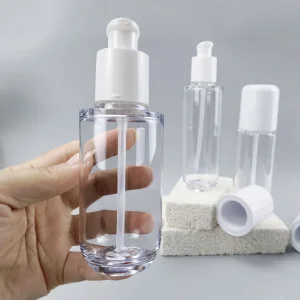
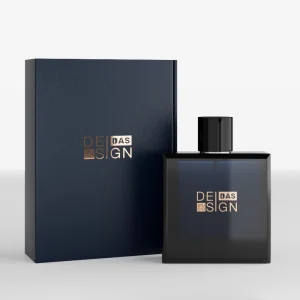
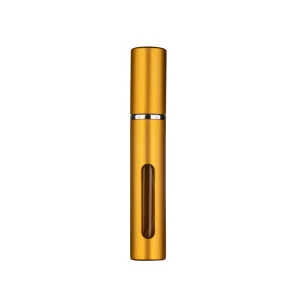
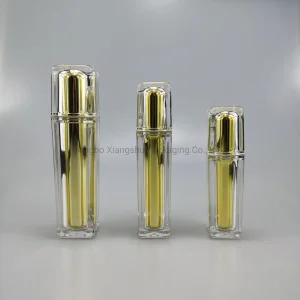
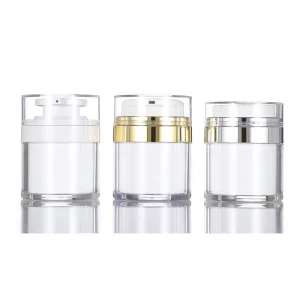
Discover additional premium glass and acrylic packaging configurations tailored for lotions, creams, fragrances, and advanced skincare lines.
 Aurelia Glass