In today's world, the beauty industry faces a pressing challenge: how to reduce plastic in beauty packaging. This issue affects both consumers and manufacturers. As we strive for sustainability, experts weigh in on effective strategies. Dr. Emily Green, a leading authority in eco-friendly packaging, emphasizes, "Reducing plastic in beauty is not just a trend; it's a necessity."
Many brands are now exploring innovative options. Some have begun using recycled materials, while others focus on refillable containers. The transition is not without hurdles. Brands must balance aesthetics with sustainability. There is a constant tension between consumer expectations and environmental impact.
Moreover, the shift requires collaboration across the industry. It’s not enough for individual brands to make changes; collective action is needed. As consumers, we must also play our part. Choosing products with minimal or no plastic packaging is crucial. Together, we can drive the change towards a greener beauty future.
Innovative Material Alternatives for Beauty Packaging
The beauty industry is undergoing a significant transformation in how it approaches packaging. Innovative materials are at the forefront of this shift, aiming to reduce plastic waste. For instance, bioplastics made from corn starch are gaining traction. These materials are biodegradable and can break down in a matter of months, unlike traditional plastics that can take centuries. Industry reports indicate that over 120 billion units of cosmetics packaging are produced annually, with a staggering 70% ending up in landfills.
Recycled materials are another alternative gaining popularity. Many brands are now using Post-Consumer Recycled (PCR) plastic to create new beauty containers. This practice reduces the reliance on virgin plastic and lowers carbon emissions associated with production. According to a 2021 study, over 80% of consumers express a preference for cosmetic brands using sustainable packaging. Yet, not all brands can sustainably source their materials, raising questions about accountability and transparency.
Paperboard and glass are also options worth considering. While glass is recyclable, it still poses challenges in weight and transportation. Paper-based packaging can offer an eco-friendly alternative, though its effectiveness against moisture remains a concern. Without the right innovations, these solutions can sometimes fall short in performance, necessitating further exploration and development in material science.
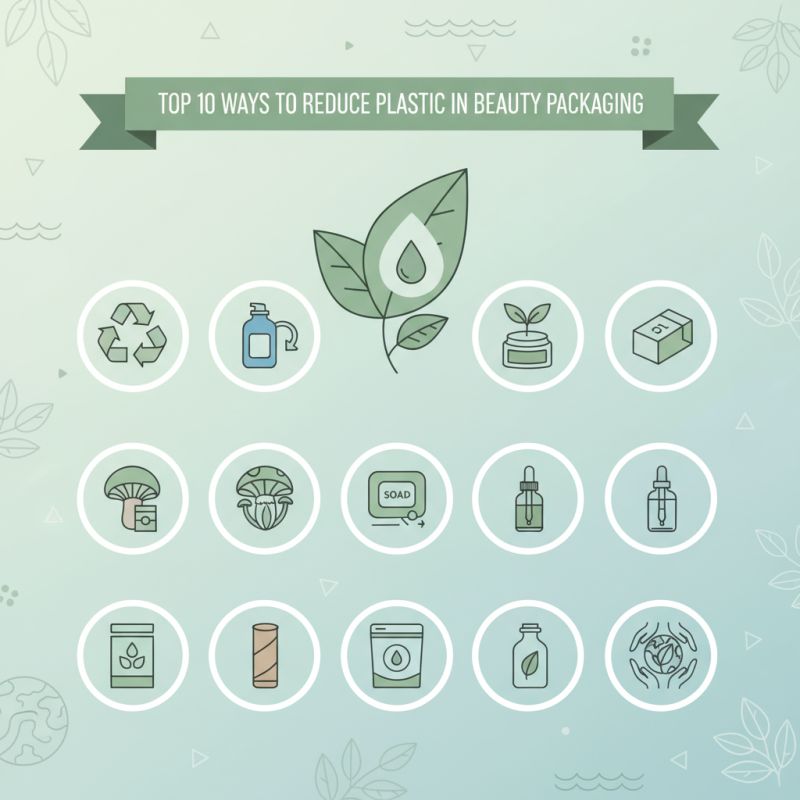
Top 10 Ways to Reduce Plastic in Beauty Packaging
Refillable and Reusable Product Solutions
In recent years, refillable and reusable packaging has gained traction in the beauty industry. This shift addresses the growing concern over plastic waste. The idea is simple: invest in a product that you can refill multiple times, significantly reducing your reliance on single-use plastics.
Many brands now offer elegant refill stations in-store. This encourages consumers to bring their empty containers for a fresh supply. For instance, a refillable glass bottle can last years. The aesthetic appeal adds value while encouraging sustainability. However, not all refillable options are equally convenient. Some may require a little extra effort, posing a challenge for busy shoppers.
Additionally, the perception of reusable packaging can vary. Consumers often question whether refills are genuinely eco-friendly or just a marketing strategy. Transparency is essential. Brands should openly communicate their sustainability efforts and the materials used in their packaging. By holding companies accountable, consumers can make informed choices. This creates a ripple effect, encouraging more sustainable practices within the industry.
Choosing Brands with Sustainable Practices
Choosing brands with sustainable practices is increasingly important in the beauty sector. Research indicates that approximately 120 billion units of plastic are produced by the cosmetics industry each year. This number is staggering, especially considering that many of these products are single-use. With consumer awareness on the rise, brands must adapt or face backlash.
Many customers now look for companies that prioritize eco-friendly packaging. Studies show that 66% of consumers are willing to pay more for sustainable products. This shift encourages beauty brands to adopt greener practices, such as using recycled materials and reducing excess packaging. However, not all companies are transparent about their sustainability claims, leading to misinformation in the market.
Choosing brands with clear, verifiable sustainable policies is crucial. Brands that publish their environmental impact data help customers make informed decisions. The use of biodegradable or refillable options is a positive step, yet some brands still rely heavily on traditional plastics. Advocating for change can help drive progress toward a more sustainable beauty industry. The responsibility is shared—consumers and companies alike must reflect on their choices and impacts.
Implementing Minimalist Packaging Designs
Minimalist packaging designs offer a fresh approach to reducing plastic waste in the beauty industry. By focusing on simplicity, brands can create products that not only look elegant but also minimize their environmental footprint. For instance, using lightweight materials can significantly cut down on plastic usage. Clear labeling is essential, allowing consumers to understand what they are purchasing without excessive packaging.
Another aspect of minimalist design is the reduction of unnecessary components. Eliminating items like plastic trays and excessive inserts not only saves materials but reduces waste. Sustainable alternatives, such as paper and biodegradable substances, can enhance the beauty experience while being eco-friendly. However, brands must reflect on their choices. Sometimes, less can be more, but this requires a commitment to quality and functionality.
Transparency is crucial in minimalist design. Consumers appreciate when brands openly share their packaging choices. This builds trust and encourages awareness. Yet, it's important to remember that not all minimalist solutions are perfect. Striking a balance between aesthetics, functionality, and sustainability can be challenging. Continuous reflection and innovation are necessary to improve and adapt to consumer needs.
Educating Consumers on Recycling and Upcycling Options
Educating consumers on recycling and upcycling options is vital in reducing plastic waste in beauty packaging. Many people are unaware of what can be recycled. For instance, certain plastics like PET and HDPE are widely recyclable, while others are not. Checking labels can prevent confusion. Many beauty products have complex packaging that contains mixed materials, making recycling difficult. Consumers need clear, simple guidelines to navigate these challenges.
Upcycling is another creative avenue. Rather than discarding empty bottles or jars, consumers can repurpose them. An old cream jar can become a chic planter. A serum dropper can serve as a travel-size dispenser. These ideas not only reduce waste but also stimulate creativity. However, awareness of these options is still low. Brands and organizations should promote these ideas more actively.
Educators and influencers can help bridge this knowledge gap. By sharing recycling tips and upcycling projects, they can inspire change. Participants might even feel unsure about what they can do. Yet every small action counts. It’s crucial to create a community that encourages sustainable practices while sharing the challenges and successes.
FAQS
: Bioplastics made from corn starch are becoming popular. They can biodegrade in months.
Using Post-Consumer Recycled (PCR) plastic lowers reliance on virgin materials and reduces carbon emissions.
Over 120 billion units are produced each year, with about 70% ending up in landfills.
While recyclable, glass is heavy and poses transportation challenges for brands.
It offers an eco-friendly alternative but can struggle against moisture without proper innovations.
Many people don’t know which plastics can be recycled, leading to confusion and waste.
They can upcycle them, like turning a cream jar into a planter or using a dropper for travel.
By actively sharing recycling tips and encouraging upcycling, brands can inspire eco-friendly actions.
Awareness is low, and brands need to do more to promote creative reuse of packaging.
Educators and influencers can share practical recycling tips and inspire others to take small, impactful actions.
Conclusion
Reducing plastic in beauty packaging is crucial for promoting sustainability in the cosmetics industry. One of the top strategies includes exploring innovative material alternatives that are eco-friendly and biodegradable, minimizing reliance on traditional plastics. Another effective approach is the adoption of refillable and reusable product solutions, which significantly cut down on single-use packaging waste.
Additionally, consumers can make informed choices by selecting brands that prioritize sustainable practices, ensuring their purchases support environmentally friendly initiatives. Implementing minimalist packaging designs can also contribute to reducing plastic use, as less material typically translates into less waste. Finally, educating consumers on recycling and upcycling options empowers them to make smarter decisions about their beauty products. By understanding how to reduce plastic in beauty packaging, we can collectively move towards a more sustainable future.

 Aurelia Glass