How to Create Sustainable Beauty Packaging for Global Buyers?

Time:2026-07-02 Author:Sophia
0%

In today's beauty industry, sustainable packaging has become a crucial topic. Consumers increasingly demand products that reflect their values. This raises the question: how to create sustainable beauty packaging? Innovating in this area can be challenging. Brands must consider materials, design, and lifecycle impacts.

The right choice goes beyond aesthetics. It requires a deep understanding of environmentally friendly materials and their sourcing. For instance, biodegradable options are gaining popularity. However, these materials often present performance challenges. Balancing sustainability with functionality is essential.

Brands also need to communicate their efforts effectively. Transparency builds trust with consumers. Sharing the story behind packaging choices is vital. Not every solution will fit all brands. Reflecting on what works for your brand can lead to meaningful changes. Exploring how to create sustainable beauty packaging is not just an obligation; it’s an opportunity for growth.
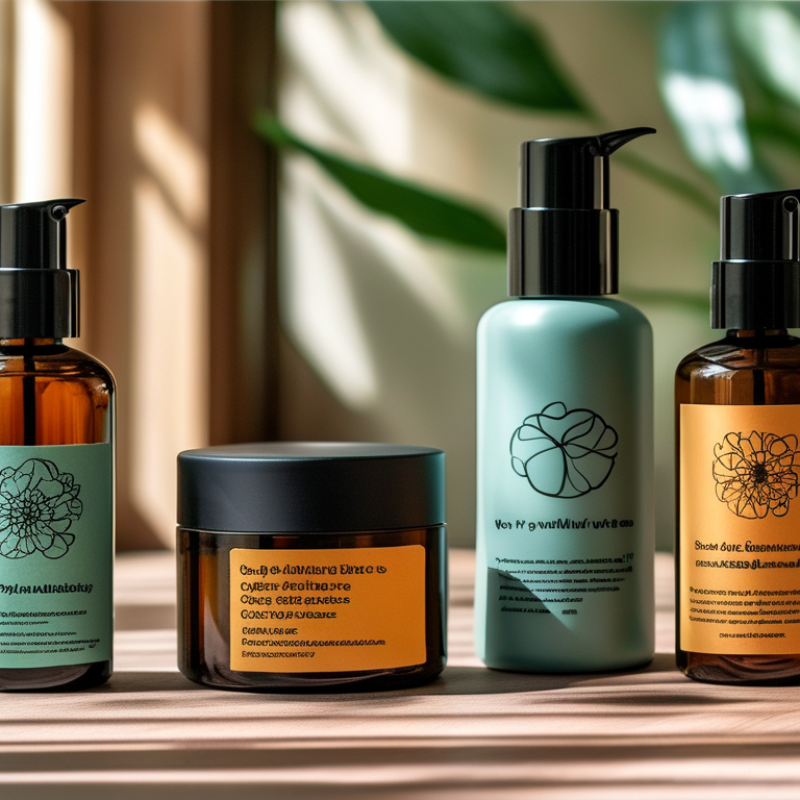
How to Create Sustainable Beauty Packaging for Global Buyers?

Understanding Sustainable Beauty Packaging: Why It Matters

Sustainable beauty packaging is crucial in today's environmentally conscious market. Consumers are increasingly aware of their choices and seek products that align with their values. Eco-friendly packaging not only reduces waste but also enhances brand image. Many global buyers prioritize sustainability, making it a vital aspect of product development.

When creating sustainable packaging, consider these tips:

  • Use biodegradable materials or recycled content. This helps reduce landfill contributions.
  • Aim for minimal designs. A simple approach often appeals to eco-conscious shoppers.
  • Consider refillable options. This encourages reuse and extends the product's life cycle.

It's important to recognize that not every solution is perfect. Some biodegradable materials may still require specific conditions to break down. Educating consumers about proper disposal can be a challenge. Misconceptions around recycling can also lead to waste. Reflecting on these aspects can improve future strategies and ultimately create better packaging solutions.

Materials Selection for Eco-Friendly Beauty Packaging Solutions

Sustainable beauty packaging starts with the right material selection. According to a recent report by Grand View Research, the global sustainable packaging market is expected to reach $500 billion by 2024. This growth is driven by consumers seeking eco-friendly options. Natural materials, such as plant-based bioplastics and recycled paper, are gaining traction. These materials reduce reliance on fossil fuels and minimize waste.

However, challenges remain. Not all bioplastics are biodegradable. Some may leave a larger carbon footprint than traditional plastics. It's crucial to assess the lifecycle of each material. Additionally, certain eco-friendly inks and adhesives may not perform well. Brands must find a balance between sustainability and functionality.

Consumer preferences are evolving. A study by McKinsey shows that 65% of buyers consider packaging sustainability important. Brands can harness this trend by using minimalistic designs that emphasize recyclability. Educating consumers about proper disposal is vital. Without clear guidance, even the best materials can end up in landfills.

Design Strategies for Minimizing Waste in Beauty Packaging

Sustainable beauty packaging is becoming increasingly vital. According to a 2021 survey by McKinsey, 67% of consumers prefer brands that prioritize sustainability. To minimize waste, brands can explore various design strategies. One effective method is using materials that are biodegradable or recyclable. For instance, using post-consumer recycled content can significantly reduce the environmental footprint.

Packaging size plays a crucial role in waste minimization. Smaller sizes not only improve shipping efficiency but also offer consumers convenience. A report from the Ellen MacArthur Foundation highlighted that reducing the amount of packaging can cut waste by up to 30%. Brands should consider refillable designs. This approach can reduce single-use plastics and foster customer loyalty. Moreover, clear communication on how to dispose of packaging responsibly can enhance consumer engagement.

Despite these solutions, challenges remain. Not every biodegradable material decomposes effectively in landfills. Research from the World Economic Forum found that up to 80% of plastics end up in landfills or the ocean. This highlights the need for better infrastructure and consumer awareness. As brands innovate, continuous reflection on their strategies is vital. Seeking feedback can drive improvements and advance sustainable practices in beauty packaging.

Testing and Compliance for Sustainable Packaging in Global Markets

Testing and compliance play crucial roles in developing sustainable beauty packaging for global markets. Companies must understand local regulations related to sustainable materials, production practices, and waste management. Regular compliance checks ensure that packaging meets environmental standards. Adequate testing is essential to confirm the durability and safety of materials. This not only protects the products but also reinforces consumers' trust.

When it comes to sustainable materials, certification can be a complex maze. Various organizations provide different standards. It is beneficial to consult experts in sustainable packaging. Relying solely on internal assessments might lead to oversight. Engaging with third-party auditors can add credibility to claims. Transparency is crucial in this landscape; consumers seek brands that provide clear information about their sustainability practices.

Challenges persist in achieving sustainable packaging goals. Not all materials labeled as "green" perform effectively across all markets. Market expectations can vary greatly. Continuous research into more sustainable alternatives is necessary. This includes monitoring consumer feedback and industry advancements. Regular adjustments will help brands stay relevant and compliant in the ever-evolving global market.

Global Market Analysis of Sustainable Packaging Material Preferences

Marketing Sustainable Beauty Packaging to Global Consumers

As the demand for sustainable beauty packaging grows, marketers must pivot to meet consumer expectations. According to a recent industry report, over 70% of global consumers are willing to pay more for eco-friendly products. This trend highlights the importance of transparency and accountability in sourcing materials.

Incorporating biodegradable materials is a step many brands have adopted. However, it's essential to communicate clearly about the benefits. If consumers misunderstand the materials, they may doubt your commitment. Tips for effective communication include using simple language and engaging visuals to explain how your packaging reduces environmental impact.

Many consumers appreciate a local touch in sustainable practices. Sourcing materials closer to home can resonate with environmentally conscious buyers. A study indicates that 67% of consumers prefer brands that support local economies. Brands should not overlook the importance of sharing these practices with their audience. Sensitivity to cultural differences can make a significant impact. Remember, transparency in your sustainability journey is key, especially in an era where there is growing skepticism about greenwashing.

How to Create Sustainable Beauty Packaging for Global Buyers? - Marketing Sustainable Beauty Packaging to Global Consumers

Dimension Sustainable Material Benefits Consumer Preference (%)
Recyclability Recycled paper Easy to recycle, reduces waste 65%
Biodegradability Plant-based plastics Composts and reduces soil pollution 58%
Carbon Footprint Glass Heavy but reusable and recyclable 72%
Consumer Education Innovative design Informs and engages consumers 70%
Sourcing Transparency Sustainable sourcing Ethical consumerism, builds trust 67%

FAQS

: What is the importance of sustainable beauty packaging?

: Sustainable beauty packaging reduces waste and enhances a brand's image. Consumers seek eco-friendly options today.

How can brands create sustainable packaging?

Brands should use biodegradable materials and incorporate recycled content. Minimal designs are also appealing to eco-conscious shoppers.

Are all biodegradable materials truly sustainable?

Not all biodegradable materials break down easily. Some need specific conditions, which can complicate disposal.

Why is consumer education important in sustainability?

Educating consumers helps prevent misconceptions about recycling. Proper disposal guidance ensures better material outcomes.

What challenges exist in selecting eco-friendly materials?

Some bioplastics may not be biodegradable. They can sometimes have a larger carbon footprint than traditional plastics.

How are consumer preferences changing regarding packaging?

Many consumers see sustainability as important. About 65% prioritize eco-friendly packaging choices in their buying decisions.

What are effective packaging strategies for sustainability?

Using minimal designs can emphasize recyclability. This strategy aligns well with evolving consumer values.

Can eco-friendly inks and adhesives be effective?

Some eco-friendly inks may not perform well. Brands should balance sustainability with the functional needs of their products.

How can brands extend product life cycles?

Offering refillable options encourages reuse. This approach helps in reducing overall packaging waste very effectively.

What role does market growth play in sustainable packaging?

The sustainable packaging market is growing rapidly. By 2024, it's expected to reach $500 billion due to consumer demand.

Conclusion

Creating sustainable beauty packaging is essential in today's environmentally conscious market. To understand how to create sustainable beauty packaging, one must first grasp its significance in reducing environmental impact and promoting eco-friendliness. Choosing the right materials is crucial; bio-based, recyclable, and compostable options can help minimize waste.

In addition to materials, employing design strategies that prioritize minimalism and functionality can further reduce packaging footprint. Testing and ensuring compliance with global sustainability standards is vital for market acceptance. Lastly, effectively marketing sustainable packaging solutions to global consumers involves communicating their benefits and aligning with eco-conscious values. By integrating these elements, businesses can successfully navigate the path toward sustainable beauty packaging.

Sophia

Sophia

Sophia is a dedicated marketing professional with an exceptional depth of knowledge about her company's products and services. With a keen understanding of market trends and customer needs, she crafts insightful blog posts that not only inform but also engage readers, enriching the company’s online......