In the skincare industry, the question of "what packaging keeps skincare ingredients stable" is crucial. Dr. Jane Smith, a renowned cosmetic chemist, emphasizes, “The right packaging can enhance product longevity and efficacy.” Effective packaging not only protects ingredients from light and air but also reduces the risk of contamination.
Skincare products are delicate. They often contain active ingredients that can degrade over time. For instance, antioxidants and vitamins may lose potency if exposed to oxygen or UV rays. To counter this, brands are turning to airless pumps and dark glass bottles to shield their formulas. Such choices reflect a growing awareness of the importance of stability in skincare.
However, the packaging must balance function and user experience. While innovative designs protect ingredients, they can also create challenges in application. Consumers may struggle with dispensing the right amount of product. Understanding "what packaging keeps skincare ingredients stable" remains a vital consideration as the industry evolves. There is a fine line between effective protection and usability that requires ongoing exploration.
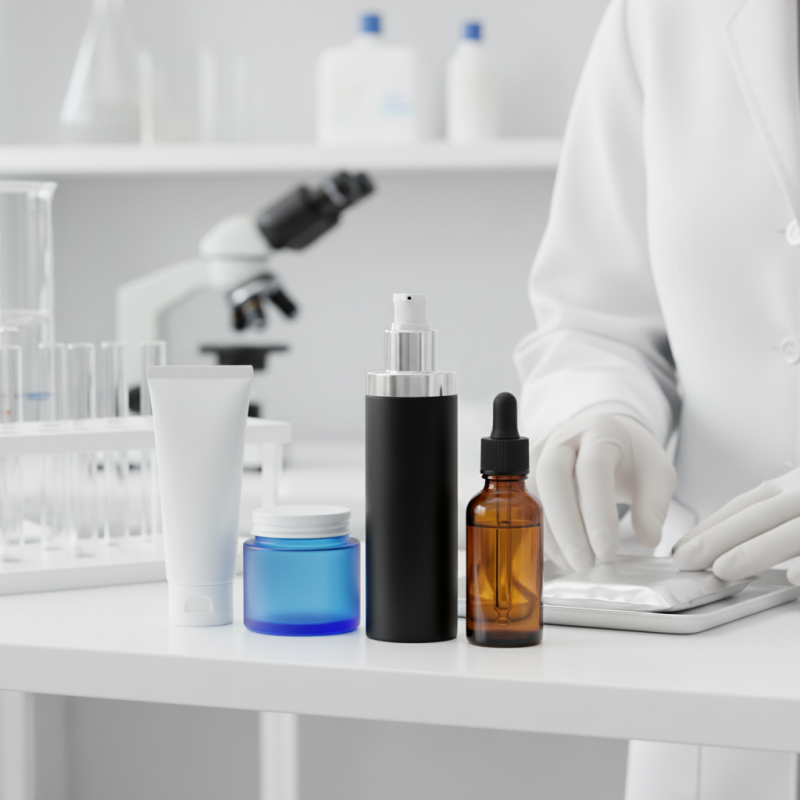
Types of Packaging Materials for Skincare Products
Packaging plays a crucial role in maintaining the stability of skincare ingredients. Different materials offer unique benefits and protection levels.
Glass is inert and can prevent chemical reactions. It provides a barrier against moisture and air, significantly extending product lifespan. According to industry reports, up to 90% of active ingredients can degrade due to exposure. This makes glass a preferred choice for sensitive formulations.
Plastic, while versatile, presents challenges. Not all plastics are created equally. Some can leach chemicals into products or allow light penetration. Research suggests that certain packaging materials can cause ingredient degradation by up to 30% over time. However, with advancements in technology, newer types of plastics with UV protection are emerging, balancing convenience and preservation.
Tips:
- Ensure your packaging shields ingredients from light and air.
- Use airless pumps for serums to minimize oxygen exposure.
- Consider recyclable options to support sustainability.
- Even with the best packaging, monitoring expiry dates is essential.
Remember, effective packaging can enhance product integrity but cannot replace proper storage practices.
Impact of UV Exposure on Skincare Ingredient Stability
Exposure to UV light is a significant factor affecting the stability of skincare ingredients. Many active compounds, like vitamins and antioxidants, begin to break down when they are exposed to sunlight. This degradation can lead to a decrease in effectiveness over time. For example, vitamin C is known to be particularly sensitive to light. A product reliant on this ingredient may lose its potency, resulting in a subpar experience for users.
Packaging plays a crucial role in safeguarding these sensitive ingredients. Options like opaque containers or air-tight pumps provide necessary protection against UV rays. Dark glass or aluminum tubes can effectively shield formulations from light exposure. However, not all packaging is created equally. Some materials may still allow light to penetrate or degrade over time, even when the ingredients appear safe.
Choosing the right packaging requires careful consideration. Brands must prioritize materials that offer maximum protection. Clear containers might look appealing, but they often allow UV rays to reach the product within. Consumers should be aware of how packaging impacts the efficacy of their skincare products. It’s a delicate balance between aesthetics and preserving the integrity of valuable ingredients.
What Packaging Keeps Skincare Ingredients Stable for Long Lasting Use? - Impact of UV Exposure on Skincare Ingredient Stability
| Ingredient |
Packaging Type |
UV Protection Level |
Stability Duration (Months) |
Temperature Sensitivity |
| Vitamin C |
Opaque Tube |
High |
12 |
Sensitive to Heat |
| Retinol |
Dark Glass Bottle |
Very High |
24 |
Stable at Room Temp |
| Hyaluronic Acid |
Airless Pump |
Moderate |
18 |
Room Temperature |
| Peptides |
Frosted Glass |
Medium |
20 |
Sensitive to Heat |
| Niacinamide |
Aluminum Tube |
High |
24 |
Stable at Room Temp |
The Role of Air Exposure in Preserving Skincare Efficacy
Air exposure plays a crucial role in preserving the efficacy of skincare products. When skincare ingredients are exposed to air, they can undergo oxidation. This process may reduce their effectiveness and alter their intended benefits. Ingredients like vitamins and antioxidants are particularly vulnerable. They are often the first to lose potency when exposed to oxygen.
Choosing the right packaging can mitigate this issue. Dark glass containers and air-tight pumps can limit air exposure. These options help maintain the stability of the ingredients inside. However, not all consumers are aware of these choices. Many still purchase products in standard plastic tubes, which may not provide adequate protection.
Despite advancements in packaging, some products still face challenges. For instance, jars allow for easy access but let in air each time they are opened. Additionally, once opened, the clock starts ticking on a product’s lifespan. Consumers need to be knowledgeable about proper storage and expiration dates. This awareness can aid in preventing wastage and ensuring peak effectiveness of their skincare regimen.
Design Considerations for Maintaining Ingredient Potency
When designing packaging for skincare products, the primary goal is to maintain ingredient potency. The choice of materials can significantly influence the stability of active compounds. For instance, opaque containers help block harmful light that can degrade sensitive ingredients. Air-tight seals are essential to prevent oxidation. These features are critical for ensuring that products remain effective over time.
Another key aspect is the size of the packaging. Smaller containers may reduce exposure to air and light with each use. However, they can also lead to waste, especially if users do not finish the product. This balance between usability and longevity is a tough challenge for brands. Additionally, the use of pumps versus jars can impact how much product is exposed to potential contaminants.
Moreover, it’s important to consider the user’s experience. Packaging should be easy to use, yet effective in protecting the product. A well-designed cap can make a difference in preventing spills and ensuring safety. Yet, even the best design may have flaws, requiring constant evaluation and improvement. Addressing these challenges can lead to better preservation of skincare ingredients and ultimately enhance consumer satisfaction.
Innovative Packaging Technologies in Skincare Preservation
Innovative packaging technologies play a crucial role in preserving skincare ingredients. One significant advancement is airless packaging. This design minimizes air exposure, reducing oxidation. By limiting air contact, products remain effective longer. Another innovation is the use of UV-filtering materials. These materials block harmful light. As a result, they protect sensitive ingredients from degradation.
Tips for selecting skincare packaging include checking for sealing mechanisms. Packaging that securely seals minimizes contamination. Choosing opaque containers can also be beneficial. They protect active ingredients from light damage. Consider eco-friendly options as well. Sustainable packaging often uses materials that limit chemical interactions with the product.
Not all packaging types are equal. Some plastic containers may leach harmful substances over time, affecting product integrity. Even glass jars can introduce complications if not sealed properly. It’s essential to remain aware of how packaging impacts your skincare routine. Researching packaging options can lead to better skincare choices. Staying informed helps ensure that your products stay effective and safe for use.
Stability of Skincare Ingredients Based on Packaging Type
Conclusion
In discussing what packaging keeps skincare ingredients stable, the type of packaging materials plays a crucial role in maintaining the efficacy of these products. Different materials, such as opaque tubes or air-tight containers, can significantly reduce UV exposure, which is known to degrade sensitive ingredients. Moreover, minimizing air exposure through effective sealing mechanisms helps in preserving the potency of active compounds, ensuring that skincare products remain effective over time.
Additionally, design considerations are vital in packaging development, as factors like ease of use, refillability, and material sustainability can impact both the consumer experience and the product's longevity. Innovative packaging technologies, including airless pumps and UV-blocking materials, are revolutionizing the skincare industry by enhancing ingredient preservation while appealing to environmentally conscious consumers. By integrating these strategies, brands can ensure that their products deliver maximum benefits throughout their lifespan.

 Aurelia Glass