Safe Materials for Skincare Packaging What Should You Choose?

Time:2026-05-25 Author:Ethan
0%

The skincare industry is rapidly evolving, with a growing emphasis on safety and sustainability. Consumers increasingly seek products that do not just enhance their skin but also ensure their wellbeing through safe packaging. This raises the question: what materials are safe for skincare packaging? According to a report by Grand View Research, the global skincare packaging market is expected to reach $24.6 billion by 2025. However, the materials used in packaging play a crucial role in product integrity and consumer safety.

Recent studies indicate that nearly 70% of consumers are concerned about the safety of packaging materials. Harmful substances can leach into products, posing risks to health. Innovative materials like glass and certain types of bioplastics are gaining traction. They are viewed as safer alternatives compared to traditional plastics. Yet, many brands still rely on cheaper plastic options, which often leads to contamination and does not effectively address sustainability concerns.

Consequently, brands must carefully evaluate what materials are safe for skincare packaging. Transparency regarding packaging choices will empower consumers and build trust. Strategic partnerships with packaging experts can foster better material selection. As regulations evolve and consumer awareness rises, the pressure to choose safe and sustainable materials will only increase. This makes it essential for brands to reflect on their packaging strategies to meet current demands.
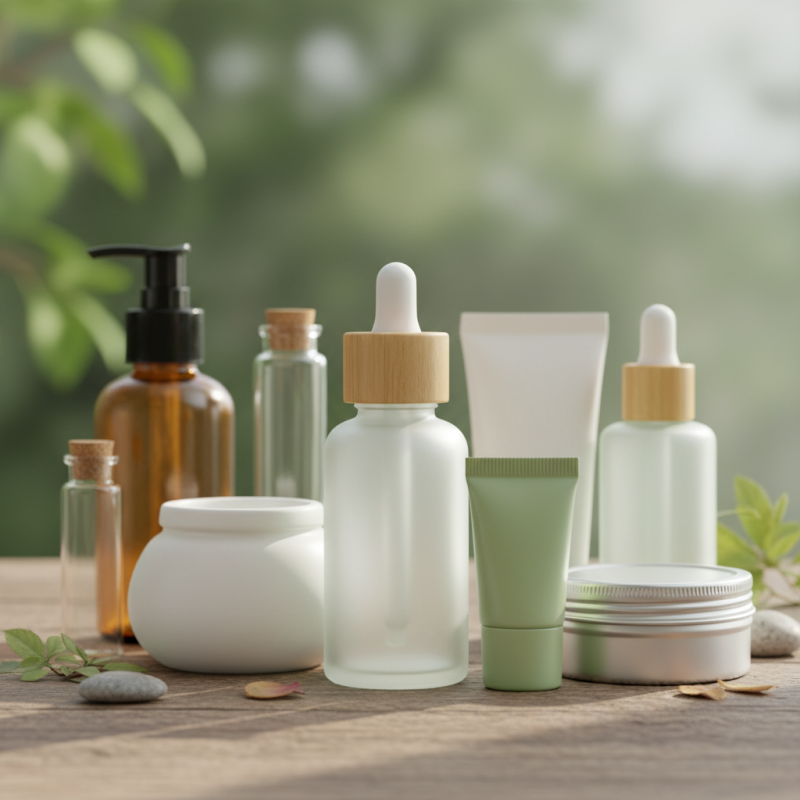
Safe Materials for Skincare Packaging What Should You Choose?

Understanding the Importance of Safe Materials in Skincare Packaging

In today's skincare industry, the choice of packaging materials is crucial. According to a report by the Sustainable Packaging Coalition, 73% of consumers prefer products with eco-friendly packaging. This shift indicates a growing awareness of how packaging affects overall product safety and environmental health. Harmful chemicals in packaging can potentially leach into skincare products, posing a risk to consumers. This concern has led to an increased demand for safer materials.

Bioplastics, glass, and aluminum are rising in popularity as safe packaging alternatives. Studies suggest that these materials reduce contamination risks. For instance, glass offers an inert solution, preserving product integrity. However, a challenge remains: while these materials are safer, their production can leave a larger carbon footprint if not sourced responsibly.

Engaging in thoughtful sourcing is essential. Not all bioplastics are equal; some still contain harmful additives. Therefore, brands must conduct thorough research. Transparency in materials used builds trust with consumers. Reports show that 45% of buyers are more loyal to brands that prioritize safety in their packaging choices. This dilemma emphasizes the need for continuous learning and improvement in packaging decisions.

Safe Materials for Skincare Packaging - Key Considerations

Material Safety Rating Recyclability Cost-Effectiveness
Glass High Yes Moderate
PET (Polyethylene Terephthalate) Moderate Yes Low
Aluminum High Yes Moderate
Biodegradable Plastics High Limited High
Paperboard High Yes Low

Common Materials Used in Skincare Packaging: Pros and Cons

When selecting safe materials for skincare packaging, understanding the pros and cons of common options is crucial. Glass is popular due to its inert nature. It does not leach chemicals. However, it's heavy and breakable, which can affect shipping and handling. According to a report by the Environmental Protection Agency, glass recycling is efficient but only about 33% of glass containers are recycled.

Plastic is widely used because of its lightweight and durability. It allows for intricate designs, appealing to consumers. However, some plastics may contain harmful additives. A study from the Journal of Plastic Science revealed that certain plastics can leach substances over time. This raises concerns about product safety, impacting consumer trust and brand reputation.

Metals, like aluminum, offer excellent protection from light and air. They are lightweight and recyclable. Yet, metal containers can react with ingredients, altering product efficacy. The American Chemical Society noted that choosing non-reactive metals is essential to avoid complications. This reflects the balance between environmental friendliness and material safety in skincare packaging.

Assessing the Environmental Impact of Skincare Packaging Materials

When assessing the environmental impact of skincare packaging materials, it’s crucial to consider sustainability. Many common materials, like plastic, pose significant threats to our planet. They take centuries to decompose and contribute to pollution. On the other hand, glass and recyclable metals tend to have a lower environmental footprint. However, these materials also present challenges in terms of weight and transportation emissions.

Using eco-friendly packaging is more than a trend; it's imperative for our future. Brands should focus on reducing packaging waste. Consider biodegradable options or refillable containers. Not only do these choices minimize harm, but they also resonate with environmentally conscious consumers.

**Tips:**
Choose packaging made from recycled materials.
Opt for minimalistic designs that use less material.
Always check for recycling labels before disposal.

Regulations and Standards for Safe Skincare Packaging Materials

When selecting skincare packaging, adhering to safety regulations is crucial. Different regions have specific standards for materials. These regulations ensure that packaging does not leach harmful substances into products. Common regulations include guidelines from health authorities and industry standards. For instance, materials should be non-toxic and hypoallergenic. Skincare brands must keep updated with these guidelines to ensure compliance.

Choosing the right materials is also a challenge. Many popular options, like plastics, may not always be safe. Alternatives, such as glass and certain metals, offer more security. However, these materials can be heavier and more expensive. Brands need to balance safety with practicality. There’s ongoing debate about sustainability too. Environmentally friendly materials often present their own hurdles regarding safety.

Understanding safety standards requires expertise. Manufacturers should conduct tests to verify material safety. Regular audits of suppliers can help maintain high standards. Inconsistent practices can lead to serious flaws in packaging. Transparency in sourcing and production processes can enhance trust. Brands have a responsibility to prioritize the health of consumers. Implementing robust safety measures is not just necessary; it’s essential for long-term success.

Innovative Alternatives to Traditional Skincare Packaging Materials

Traditional skincare packaging materials often rely on plastics, which raise environmental concerns. Therefore, it is crucial to explore innovative alternatives that are both sustainable and safe. Biodegradable materials, such as plant-based plastics, offer a compelling substitute. Made from resources like cornstarch or sugarcane, these materials can decompose naturally, reducing landfill waste.

Recycled materials present another viable option. Using recycled paper and glass not only minimizes resource extraction but also lowers energy consumption. Additionally, emerging materials like hemp biocomposites are gaining traction. These materials are lightweight, strong, and offer a unique aesthetic. However, the production processes for these alternatives can be costly, raising questions about scalability.

While it is exciting to see progress in sustainable packaging, challenges remain. The longevity and preservation abilities of these materials still need evaluation. Some may not protect products as effectively as traditional options. The market must balance innovation with effectiveness, ensuring products remain safe and effective for consumers. Testing and consumer feedback will be key in navigating this evolving landscape.

FAQS

: What are the benefits of using glass for skincare packaging?

: Glass is inert and does not leach chemicals. It offers a safe option for product integrity.

What are the downsides of glass packaging?

Glass is heavy and breakable, raising shipping and handling costs. It can lead to product damage.

Why is plastic commonly used in skincare packaging?

Plastic is lightweight and allows for diverse designs. Consumers often prefer its convenience.

What concerns exist with plastic packaging?

Some plastics can contain harmful additives. They may leach substances over time, risking product safety.

How do metals compare to glass and plastic?

Metals like aluminum protect against light and air. However, they can react with ingredients, impacting efficacy.

What is the environmental impact of plastic packaging?

Plastic takes centuries to decompose and contributes to pollution. It poses serious threats to our planet.

How can brands improve their packaging sustainability?

Brands should reduce waste and use biodegradable or refillable options. This aligns with eco-conscious consumer values.

What materials should consumers look for in eco-friendly packaging?

Recycled materials and minimalistic designs are ideal. They help minimize environmental damage.

How important is recycling in skincare packaging?

Recycling is essential but only about 33% of glass containers are recycled. Awareness is needed to improve this rate.

Is it feasible to use eco-friendly packaging?

While it’s imperative, finding the right materials can be challenging. Balance between sustainability and practicality is key.

Conclusion

In the quest for safe materials for skincare packaging, it's essential to understand not only the materials themselves but also their broader implications on health and the environment. The article explores the importance of choosing materials that prioritize consumer safety while being mindful of their environmental impact. Common materials, including plastics and glass, are analyzed for their pros and cons, helping to inform what materials are safe for skincare packaging.

Furthermore, the discussion delves into regulations and standards that govern skincare packaging, ensuring compliance with safety guidelines. Innovative alternatives are also highlighted, providing insights into emerging materials that can reduce ecological footprints. Ultimately, this comprehensive overview equips consumers and manufacturers alike to make informed choices that balance safety, efficacy, and sustainability in skincare packaging.

Ethan

Ethan

Ethan is a seasoned marketing professional with a deep expertise in our company's innovative product line. With a passion for sharing knowledge and insights, he takes the lead in regularly updating our corporate blog, where he explores industry trends, product features, and effective marketing......