In recent years, the beauty industry has witnessed a significant shift towards sustainability. This change raises questions about why refillable beauty packaging is trending. Consumers are becoming more conscious of their environmental impact. They want to reduce waste and choose brands that align with their values.
Refillable packaging offers a practical solution. It reduces single-use plastics and minimizes excess waste. Many brands now offer stylish refillable options. This transformation is not just a trend but a necessary adaptation. Beauty lovers are eager for products that look good and serve a purpose.
Still, challenges exist within this movement. Some consumers hesitate to switch to refillable options. Concerns about convenience and product quality remain. As the industry evolves, addressing these issues will be crucial. Understanding why refillable beauty packaging is trending reveals deeper consumer values and environmental responsibility.
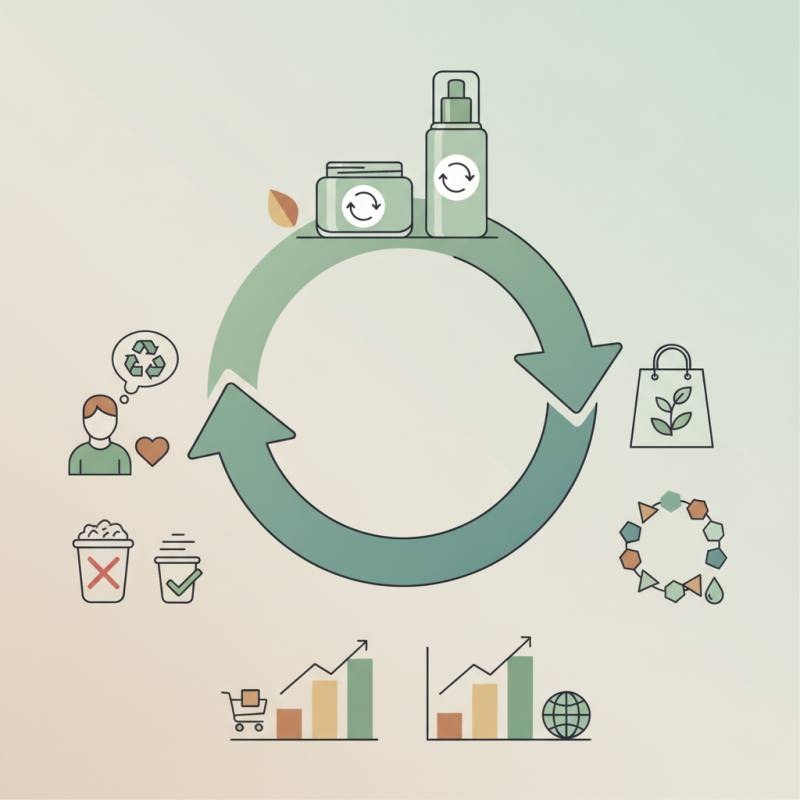
The refillable beauty packaging market is on the rise. According to a report from Grand View Research, the global market is expected to reach $12 billion by 2028. This shift reflects growing consumer awareness and preference for sustainable practices. Shoppers now want more than just effective products; they seek eco-friendly alternatives.
In 2021, 54% of consumers reported wanting refillable options. This figure highlights a significant change in buying behavior. Many people are frustrated with wasteful single-use products. However, the options available sometimes lack variety and style. Shoppers may worry about quality or usability when choosing refillable packaging. This concern can hinder their willingness to make the switch.
Despite these challenges, the market continues to grow. Brands are investing in innovative designs that appeal to modern consumers. A survey from McKinsey shows that around 70% of people are willing to pay more for sustainability. These numbers indicate a promising future for refillable packaging. Yet, more education and options are needed to make it mainstream. The balance between sustainability and product satisfaction remains delicate and calls for ongoing reflection.
Refillable beauty packaging is becoming increasingly popular. This is partly due to a growing interest in sustainability within the beauty industry. Consumers are becoming more aware of the environmental impact of single-use plastics. They are seeking options that reduce waste and promote recycling.
Many brands now embrace refillable solutions. Customers can purchase a product once and refill it when needed. This approach not only cuts down waste but also encourages loyalty. People feel connected to their products when they can reuse them. However, the challenge remains in ensuring these refill systems are user-friendly. Some refill stations can be confusing. Consumers may hesitate to use them without clear instructions.
Tips for embracing refillable beauty: Consider products that offer refill options. Look for containers made from recycled materials. Educate yourself on local recycling rules to better understand how to properly dispose of them. Remember, even small steps can lead to significant change. It’s essential to think critically about sustainability in beauty. Not every brand prioritizes this, so choose wisely.
The shift towards refillable beauty packaging is largely fueled by consumer demand for eco-friendly products. Recent statistics reveal that 70% of consumers consider sustainability when purchasing beauty items. This number reflects a growing awareness of environmental issues among shoppers. Not only do they want high-quality products, but they also seek packaging that minimizes waste. Brands that prioritize refillable options are tapping into this shift.
Tips: Choose products with easy-to-replenish packaging. It’s a small change that can lead to significant environmental benefits. Look for stations that allow refilling, or choose brands that offer mail-back programs for old containers. Both options reduce plastic waste and promote a circular economy. These strategies might seem minor but can have a lasting impact.
Moreover, the connection between beauty and sustainability is evolving. Consumers are more informed about their purchasing choices. They demand transparency and ethical practices. This demand has pushed brands to rethink their packaging strategies. Companies that stand still risk losing customer loyalty. A thoughtful approach to packaging design is essential for future success.
Refillable beauty packaging is gaining traction, and for good reason. Brands are realizing the economic advantages of this sustainable option. When consumers reuse packaging, they save money. This creates loyalty and drives repeat purchases. Instead of discarding empty bottles, they refill them. This small act can have a big impact.
Additionally, refillable options can reduce costs in manufacturing and shipping. Less packaging waste means lower disposal fees. Brands can also reduce their carbon footprint through fewer materials. Shifting to refillable options may involve initial investments, but the long-term savings are evident.
However, the transition isn’t always seamless. Some consumers may resist change due to habits. People often prefer convenience over sustainability. Brands must educate their customers on the benefits. There’s a need for clarity in this movement. Refillable packaging can redefine consumer behavior, but it takes time. Adapting to new habits is a process. So, the journey continues.
In recent years, refillable beauty packaging has gained significant traction in the cosmetic industry. A report by Grand View Research revealed that the global refillable cosmetics market is projected to grow at a compound annual growth rate (CAGR) of over 10% from 2021 to 2028. This surge is primarily driven by eco-conscious consumers seeking sustainable alternatives. The pressure on brands to reduce waste has never been more intense.
Innovations in refillable packaging are also evolving rapidly. Many companies are exploring biodegradable materials alongside glass and aluminum. These materials not only support sustainability but also enhance the luxurious feel of the products. Eco-design techniques are becoming central to product development. However, challenges remain. For example, ensuring that refillable systems maintain product safety and hygiene is crucial. Additionally, consumer education on how to use and return these products is lacking.
Despite the promise of refillable beauty packaging, execution can be inconsistent. Not all consumers understand the benefits or availability of refill systems. A study showed that only 30% of consumers actively seek out refillable options. Packaging durability and appeal are also concerns. The industry must continue to innovate to bridge the gap between consumer expectations and actual practices.
: Consumer awareness and a preference for sustainable practices are key factors. More shoppers prefer eco-friendly options.
In 2021, 54% of consumers expressed a desire for refillable options. This reflects a significant change in buying behavior.
Options can lack variety and style. Some shoppers worry about quality and usability, affecting their willingness to switch.
Customers feel connected to products they can reuse, which enhances loyalty and drives repeat purchases over time.
Some refill stations can be confusing. Without clear instructions, consumers may hesitate to use them.
Consider products with refill options. Look for recycled materials. Educate yourself on local recycling rules and disposal.
Refillable options reduce manufacturing and shipping costs. They lower disposal fees and diminish the carbon footprint.
Many prefer convenience over sustainability. Established habits can hinder the transition towards refillable options.
Brands need to inform customers about the benefits of refillable packaging. Clarity is essential for encouraging this shift.
Yes, even small acts of choosing refillable options can lead to a larger impact on sustainability in the beauty industry.
The trend of refillable beauty packaging is gaining momentum as the beauty industry increasingly prioritizes sustainability. This shift is driven by growing consumer demand for eco-friendly products, with key statistics indicating a significant preference for brands that adopt sustainable practices. The rise of refillable beauty packaging not only addresses environmental concerns but also presents economic advantages for brands, as it can reduce production costs and foster customer loyalty.
Innovations in refillable packaging solutions are paving the way for a more sustainable future in beauty. With advancements in design and usability, brands are adapting to meet the needs of eco-conscious consumers. Understanding why refillable beauty packaging is trending reveals a convergence of consumer values, market demands, and innovative practices that aim to reduce waste and promote sustainability in the beauty sector.

Aurelia Glass