In today's competitive marketplace, beauty brands strive for uniqueness. One significant aspect that shapes this differentiation is packaging. Consumers are drawn to visually appealing designs. Effective packaging communicates a brand's values and identity. It creates first impressions that last.
How packaging influences beauty brand identity is crucial for market success. A brand's packaging can evoke emotions and trigger a connection with consumers. Colors, materials, and typography convey messages beyond words. However, not all packaging resonates positively. Sometimes, brands may miss the mark, creating confusion instead of clarity.
Many brands focus on aesthetics, neglecting functionality or sustainability. This approach can lead to negative consumer perceptions. Beauty brands must balance creativity with thoughtful design. They should reflect their essence while appealing to global buyers. Ultimately, thoughtful packaging can either enhance or hinder a brand's reputation in the beauty industry.
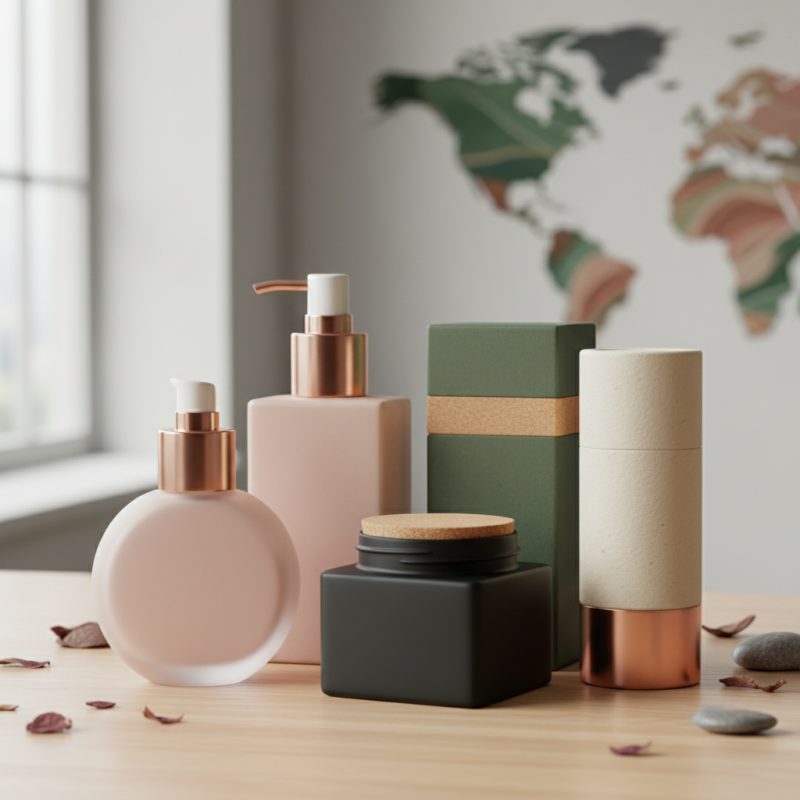
Packaging plays a crucial role in establishing beauty brand identity. It serves as the first visual touchpoint for buyers across the globe. Well-designed packaging can evoke emotions, create desire, and convey the brand’s values. For example, minimalistic designs often communicate luxury, while vibrant colors can signify fun and youthfulness.
Detailing materials and textures adds another layer of complexity. Sustainable packaging is in demand. Brands can gain trust by using eco-friendly materials. However, there’s a fine line. Some consumers feel overwhelmed by excessive information on packaging. Simplicity is key, yet many brands ignore this principle.
Texture and weight also influence perceptions. Smooth surfaces might suggest elegance, while rough textures can evoke authenticity. Yet, inconsistency can be detrimental. If the product inside doesn’t match the packaging, disappointment arises. Failing to meet expectations can tarnish a brand’s reputation. The challenge remains in balancing aesthetics with functionality and consumer demands.
Cultural influences play a significant role in shaping packaging design for global beauty brands. An understanding of diverse cultures can determine how a product is received. Color choices, symbols, and even materials resonate differently across regions. For instance, red signifies good fortune in some cultures, while it may have different connotations elsewhere.
Packaging must reflect local traditions and preferences. In many Asian cultures, intricate designs are favored, symbolizing elegance and quality. A minimalist aesthetic might appeal more to Western consumers, who often prioritize modernity. Brands that overlook these cultural nuances risk misinterpretation.
However, the journey is not without challenges. Striking a balance between global brand identity and local relevance can be difficult. Oversimplification can strip away meaningful elements that resonate with specific audiences. A thorough cultural analysis is crucial for success. Designers need to be learners, adapting and evolving with the changing perceptions of beauty in different cultures.
| Region | Cultural Influence | Packaging Color Preferences | Material Preferences | Popular Design Elements |
|---|---|---|---|---|
| North America | Minimalism, Sustainability | Neutral and Pastel Colors | Recyclable Materials, Glass | Clean Lines, Eco-Friendly Messaging |
| Europe | Artisanal Craft, Heritage | Bold and Dark Colors | Luxury Cardboard, Sustainable Plastics | Vintage Typography, Premium Finishes |
| Asia | Tradition, Modernity | Bright Colors, Symbolic Colors | Plastic with Decorative Fabrics | Cultural Symbols, Ornate Patterns |
| Latin America | Vibrancy, Nature | Vivid Colors, Earth Tones | Recycled Materials, Biodegradable Films | Handcrafted Feel, Eco-Conscious Graphics |
| Middle East | Luxury, Extravagance | Gold and Rich Colors | High-Quality Plastics, Metals | Intricate Designs, Embellishments |
Sustainability is reshaping the beauty industry. Consumers now prioritize eco-friendly packaging. Many brands are opting for recyclable materials and minimalistic designs. This change isn't just a trend; it's a necessity. The demand for sustainable options drives innovation in packaging.
Consider the materials used for packaging. Biodegradable options are increasingly popular. However, not all brands succeed in this transition. Some still rely on plastics, which raises ethical questions. Brands face pressure to balance aesthetic appeal and environmental responsibility.
Visual appeal matters immensely, but how sustainable is it? The challenge lies in marrying beauty with eco-friendliness. While many brands promote recycled packaging, consumers must remain vigilant. Education about sustainable choices is crucial. Are brands truly committed, or is it just for marketing? Packaging can enhance or hinder brand identity. The key is authenticity in sustainability efforts.
Packaging plays a crucial role in shaping a beauty brand's identity. Visual elements like color, typography, and imagery create immediate impressions. These components trigger emotions that influence consumer choices. For instance, soft pastels may evoke calmness, while bold colors inspire excitement. Understanding these psychological effects can enhance a brand's appeal.
Tips: Consider experimenting with different color palettes. Observe how they can alter perceptions of your brand. Don't shy away from feedback about your design. Sometimes, what feels right may not resonate.
The texture of packaging is also important. A silky finish can imply luxury, while a matte surface may suggest sophistication. Each tactile experience can reinforce a brand’s message. Think about how consumers interact with your product from the moment they see it.
Tips: Test various materials. Each option can communicate a different message about your brand. Remember to keep consumer preferences in mind. Their insights can provide valuable guidance.
Innovative packaging plays a crucial role in how beauty brands present themselves to global buyers. Brands now focus on creating unique packaging solutions that resonate with diverse cultures. Beautiful designs attract attention. They communicate brand values and identity instantly. For instance, biodegradable materials can reflect a commitment to sustainability. A vibrant color palette may evoke feelings of excitement and luxury.
Successful case studies highlight the impact of packaging in establishing brand identity. In one instance, a beauty brand revamped its look to include minimalist designs. This change attracted a new demographic seeking modern aesthetics. The clear, simple lines and soothing colors conveyed elegance. However, not all packaging innovations have succeeded equally. Some brands have encountered challenges, such as high production costs or consumer confusion. Reflecting on these missteps can provide valuable lessons.
Visual storytelling through packaging can create a deeper connection with consumers. Eye-catching designs can convey messages that resonate emotionally. However, brands must remain authentic. When designs feel forced or overly complex, they may alienate potential buyers. Thus, finding the right balance is essential. Brands should continually assess how their packaging reflects their identity in the competitive beauty market.
: Packaging is the first visual touchpoint for buyers. It evokes emotions and conveys brand values.
Colors create immediate impressions. For example, soft pastels evoke calmness, while bold colors inspire excitement.
Texture can signal luxury or authenticity. Silky finishes suggest elegance, while rough textures imply realness.
Eco-friendly materials help brands gain consumer trust. Many buyers value environmental responsibility in their choices.
Discrepancies can lead to disappointment. This mismatch can tarnish a brand’s reputation and consumer trust.
Consumer insights offer valuable guidance. Feedback helps brands refine their designs and make them resonate better.
High production costs and consumer confusion are common issues. Reflecting on these challenges is essential for improvement.
Eye-catching designs can create emotional connections. Authenticity is key; forced designs may alienate buyers.
Different materials communicate different messages. Testing various options helps refined brand messaging.
Simplicity is key, but some brands ignore this. Striking the right balance is an ongoing challenge.
The article "How Packaging Shapes Beauty Brand Identity for Global Buyers" examines the significant role that packaging plays in shaping how packaging influences beauty brand identity. This involves understanding the cultural influences that vary across global markets and how these cultural nuances inform packaging design. In addition, sustainability trends are increasingly impacting packaging choices, pushing brands to adopt eco-friendly materials and practices that resonate with socially conscious consumers.
The visual elements of packaging are highlighted for their psychological effects on consumers, where colors, shapes, and textures can evoke specific emotions and perceptions about the brand. Through various case studies, the article illustrates how innovative packaging strategies can successfully enhance brand identity and foster a deeper connection with consumers worldwide. Ultimately, the interplay between packaging and brand identity is crucial for beauty brands seeking to stand out in a competitive global marketplace.

Aurelia Glass