In the beauty industry, packaging is more than just a protective covering. It plays a crucial role in how packaging affects customer perception in beauty products. Attractive packaging can instantly grab attention on crowded shelves. The design, color, and texture create an emotional connection with consumers. It influences their buying decisions even before they test the product itself.
Understanding the psychology behind packaging can shed light on its impact. Visual elements can signal luxury, sustainability, or playfulness. Each detail matters and can alter how a customer feels about the product. However, the effectiveness of packaging often varies among consumers. Some may prioritize aesthetics over functionality, while others seek more practical designs. This inconsistency raises questions about the true effectiveness of different packaging strategies.
There is an undeniable correlation between packaging and consumer perception. Yet, the way it resonates can differ widely. Brands must navigate these complexities to create packaging that truly speaks to diverse audiences. Striking the right balance remains an ongoing challenge in the beauty market.
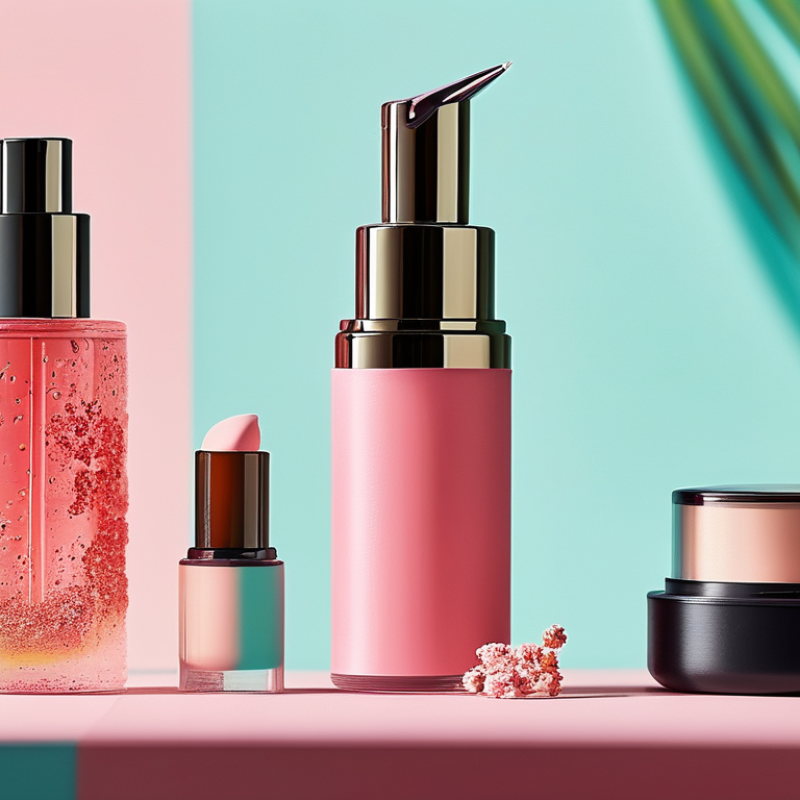
Packaging plays a crucial role in the beauty industry. It is not just a container; it shapes consumer perception. Beautiful packaging can attract attention on crowded shelves. It communicates brand identity and values. For instance, minimalistic designs often suggest luxury and sophistication. Meanwhile, vibrant colors can evoke excitement and fun.
The materials used also matter. Eco-friendly packaging appeals to conscious consumers. It reflects a brand’s commitment to sustainability. However, not every brand successfully validates its packaging claims. Some may appear green but do not align with sustainable practices. This contradiction can lead to customer distrust. Brands must ensure their packaging choices reflect genuine values.
Design elements like typography and graphics aren't just for aesthetics. They influence emotions and create associations. A smooth, matte finish can give a product a more premium feel. In contrast, loud patterns may seem juvenile. Yet, overemphasis on design risks overshadowing product quality. Consumers may buy the package but not return for the product. Balancing design and functionality is necessary for lasting appeal.
Color psychology plays a crucial role in how consumers perceive beauty products. Different colors evoke specific emotions and can influence purchasing decisions. For instance, warm colors like red and orange can create excitement, while cool colors like blue and green convey calmness. When designing packaging, it’s essential to consider these emotional responses.
Using the right color scheme can enhance brand identity. Brands must understand their target audience’s preferences. A deep understanding of your market can inform color choices. Experimentation is often necessary. Reactions to colors can be subjective. What works for one demographic may not resonate with another.
Tips: Test different color palettes. Get feedback from focus groups. Analyze how colors align with your brand message. Remember, emotions tied to colors can shift. Monitor trends regularly. This allows for adaptation and relevance in your packaging strategy.
| Color | Psychological Impact | Target Demographic | Common Product Types |
|---|---|---|---|
| Red | Creates a sense of urgency, excitement, and energy | Younger consumers, impulse buyers | Lipsticks, fragrances |
| Blue | Evokes trust, calmness, and reliability | Professionals, skincare enthusiasts | Moisturizers, serums |
| Green | Represents nature, health, and tranquility | Health-conscious consumers, eco-friendly shoppers | Organic products, hair care |
| Pink | Conveys femininity, softness, and romance | Teenagers and young women | Cosmetics, body lotions |
| Black | Signifies luxury, elegance, and sophistication | High-end consumers, mature audience | Perfumes, luxury skincare |
The packaging of beauty products significantly affects how customers perceive them. According to a study by Smithers Pira, over 72% of consumers have made purchasing decisions based solely on packaging. This underscores the importance of material choices. Eco-friendly materials are not just a trend; they resonate with a growing demographic concerned about sustainability.
Using recycled materials in packaging can enhance brand image. A survey conducted by Nielsen found that 66% of respondents are willing to pay more for products with sustainable packaging. However, brands must navigate the balance between aesthetics and functionality. While sleek designs attract attention, materials need to protect the product appropriately. Reports indicate that 30% of consumers have encountered products with packaging that failed to meet expectations.
Tips for brands include testing different materials with focus groups. This can provide valuable insights into consumer preferences. Additionally, consider incorporating tactile elements. Texture can create a memorable experience. Remember, the packaging should not just look good; it must also deliver quality and resonate with ethical values. In a rapidly evolving market, continual reflection on packaging choices is critical for maintaining consumer trust and engagement.
The following chart illustrates the impact of various packaging materials on customer perception in the beauty industry. Various factors such as perceived quality, sustainability, and visual appeal were rated by consumers.
In the beauty sector, packaging is more than just a protective layer. It shapes brand identity and influences customer perception. Reports indicate that 72% of consumers make purchasing decisions based on packaging design. This highlights its critical role in attracting and retaining customers.
Brand identity is often conveyed through color, typography, and materials. For example, a minimalist approach may suggest sophistication. In contrast, vibrant colors can reflect creativity. Research shows that 64% of consumers have a strong emotional connection to brands due to their packaging. This emotional tie can drive loyalty and encourage repeat purchases.
However, not all packaging succeeds in conveying the intended message. Poor designs can confuse consumers or even lead them to feel misguided. Some brands may prioritize aesthetics over sustainability, which can backfire as consumers increasingly value eco-friendly options. Balancing innovation with consumer expectations is a challenge that many brands face today.
Packaging plays a crucial role in shaping customer perceptions of beauty products. Eye-catching designs can attract attention instantly. For instance, minimalist packaging often conveys sophistication. In contrast, vibrant and bold designs appeal to a younger audience seeking excitement. Both strategies have been effective, but the key remains creating a connection with the target market.
Tips: Consider using sustainable materials for your packaging. Customers appreciate eco-friendly options. It may also enhance brand image and customer loyalty.
Another case study shows that unique shapes can set products apart. A beauty brand used unconventional bottle shapes to stand out on shelves. This creative approach not only drew customers in but also became a talking point among users. Consumers were more likely to share their experiences online, amplifying the brand's reach through social media.
Tips: Invest in storytelling through your packaging. Whether it’s through visual elements or text, a compelling narrative can forge a deeper connection with customers. They want to feel a part of something meaningful.
: Packaging shapes brand identity and influences purchasing decisions. About 72% of consumers consider packaging in their choices.
Brand identity is conveyed through colors, materials, and typography. Minimalist designs suggest sophistication, while vibrant colors evoke creativity.
Research indicates that 64% of consumers feel a strong emotional connection due to packaging. This connection drives loyalty and repeat purchases.
Poor packaging can confuse consumers. It can lead to feelings of being misguided, potentially harming brand trust.
Many consumers value eco-friendly options. Neglecting sustainability can backfire and alienate environmentally-conscious customers.
Unconventional shapes can attract attention and differentiate products. Unique designs encourage sharing on social media.
Strong narratives can engage customers more deeply. A compelling story makes consumers feel connected to the brand.
Balancing innovation with consumer expectations is challenging. Brands must meet desires for aesthetics and functionality.
Well-designed, meaningful packaging enhances brand image. Customers are more likely to stay loyal to brands that resonate with them.
Invest in sustainable materials and focus on visual storytelling. Connecting with customers on a meaningful level is crucial.
The article "How Packaging Influences Customer Perception in Beauty Products" explores the critical role of packaging in shaping consumer attitudes towards beauty items. It delves into key areas such as color psychology, which reveals how different hues can evoke emotions and influence purchasing decisions. Additionally, the choice of materials used in packaging plays a significant role in customer perception, impacting perceived quality and sustainability.
Moreover, the article emphasizes the importance of brand identity in packaging design within the beauty sector, showcasing how cohesive branding can enhance customer loyalty. Through various case studies, it illustrates successful packaging strategies that effectively engage consumers and reinforce brand messaging. Overall, it provides insightful perspectives on how packaging affects customer perception in beauty products, highlighting its significance in the competitive landscape of the beauty industry.

Aurelia Glass