Packaging plays a crucial role in protecting skincare products from light damage. Research shows that exposure to light can degrade active ingredients, reducing their effectiveness. According to a report by the Journal of Cosmetic Science, certain compounds can lose up to 80% of their potency when exposed to UV light for just a few days. This highlights the importance of choosing the right packaging.
What packaging protects skincare from light damage? Dark glass and opaque materials are effective barriers against harmful wavelengths. These options can block out UV rays and preserve product integrity. Unfortunately, many brands still use clear containers, risking product degradation. The cosmetic industry must prioritize better packaging solutions to ensure that products remain effective for consumers.
The choice of packaging should reflect an understanding of how light interacts with skincare formulations. While some brands think aesthetics are most important, effectiveness should come first. Consumers often overlook this factor when making purchases. Educating customers about the implications of light exposure will lead to smarter choices. In this way, packaging becomes more than just a container; it is essential for delivering quality skincare.
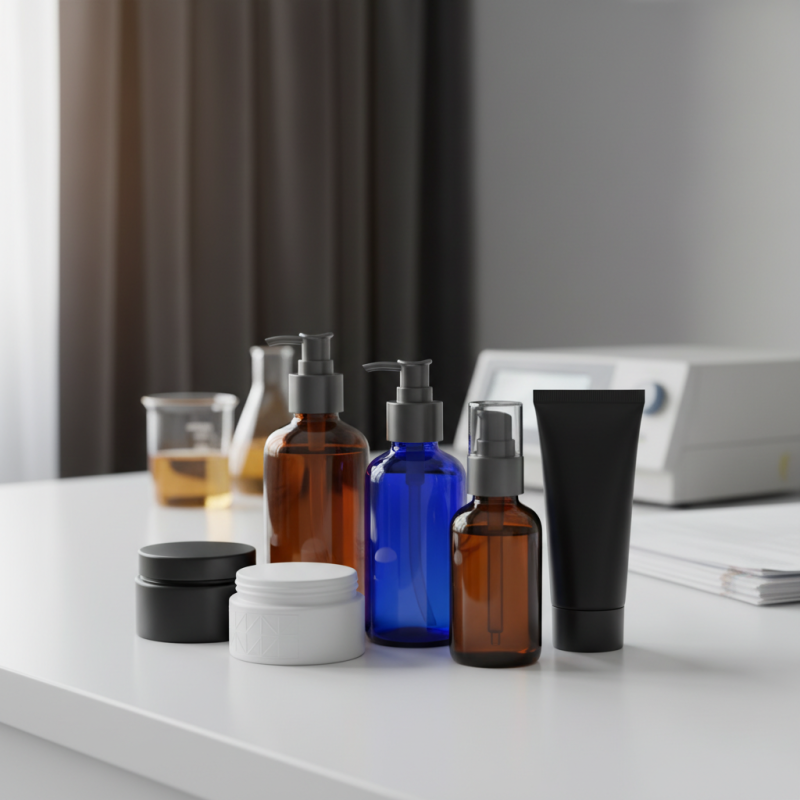
The importance of packaging in skincare protection cannot be overstated. Packaging serves as the first line of defense against harmful light exposure. Certain ingredients are sensitive to light and may degrade when exposed. This degradation can lead to reduced efficacy and decreased shelf life.
Effective packaging can include opaque or dark-colored containers. These options help to block harmful UV rays and preserve the active ingredients. For instance, air-tight pumps can minimize oxidation. This further enhances product stability. However, not all brands prioritize this aspect. Some use clear packaging that allows light to penetrate. This can be a concerning oversight.
Skincare enthusiasts should pay attention to packaging types. Transparent bottles may look appealing but could compromise ingredients. Consumers need to weigh visual appeal against protection quality. Not every product will survive long term in subpar packaging. Choosing wisely can ensure that active ingredients remain effective. A focus on proper packaging is essential for achieving desired skincare results.
Light damage is a significant concern in skincare. According to a report by the American Academy of Dermatology, UV and visible light exposure can degrade active ingredients. This degradation often leads to reduced effectiveness. For instance, vitamin C, a popular antioxidant, loses potency when exposed to light.
Research shows that 60% of consumers are unaware of how light affects their skincare products. Inadequate packaging is a common oversight. Clear or transparent containers permit light entry. This, in turn, can rapidly compromise the formulation. Brands should prioritize opaque or dark-colored packaging to counteract this issue.
Effective packaging not only protects but also enhances product longevity. Studies reveal that proper shielding can extend a product's life by 30%. Choosing suitable packaging materials is vital for maintaining the integrity of skincare products. The industry must address these flaws. Implementing better practices can protect consumers from potential losses in efficacy.
Packaging plays a crucial role in protecting skincare products from light damage. Research shows that exposure to light can degrade active ingredients in formulations. For instance, studies reveal that light can reduce the effectiveness of vitamins C and A by over 50% within weeks when exposed to direct sunlight. Materials used in packaging can significantly influence light exposure.
Opaque glass and aluminum containers are excellent choices for limiting light penetration. They block harmful UV rays that can cause oxidation. Conversely, clear plastic and glass allow much more light to penetrate, leading to faster degradation. A report from the Journal of Cosmetic Science suggests that products in opaque packaging sustain their potency for longer, often exceeding intended shelf life.
Tip: Always store your skincare products in a cool, dark place. This practice helps maintain their effectiveness. Consider using products contained in dark or opaque materials. It not only protects the ingredients but also extends shelf life.
Another aspect to consider is the interaction between light and certain ingredients. For example, essential oils can be more sensitive and may lose their properties. A study highlighted that specific oils stored in clear containers showed significant changes in aroma and efficacy over time. Be mindful of how packaging affects your skincare routine.
Innovative packaging solutions play a critical role in skincare preservation. Light exposure can degrade active ingredients in skincare products. Studies show that up to 80% of antioxidants in formulations can lose effectiveness due to UV and visible light exposure. This degradation leads to less effective products and wasted investment.
Opaque or air-tight packaging can significantly enhance product longevity. A recent report indicated that brands using UV-filtering materials saw an increase in product efficacy by up to 30%. Dark glass containers and aluminum tubes are becoming more popular. They provide protection from light and contamination while maintaining the integrity of active ingredients. Brands must continuously innovate to address these challenges and improve user experience.
Despite advances, not all solutions are perfect. Some consumers may find that opaque packaging limits their ability to monitor product use. Additionally, eco-friendly materials can struggle to balance protection and sustainability. Addressing these concerns requires ongoing dialogue within the industry. Finding the right balance between protection and usability remains a key challenge for product developers.
When choosing skincare products, the packaging often goes unnoticed. However, it plays a critical role in preserving the integrity of the formula inside. Many active ingredients can degrade when exposed to light, leading to reduced effectiveness over time. For instance, vitamin C is known to break down quickly. Consumers should be aware that opaque or dark containers can protect these valuable substances from harmful UV rays.
It's important to scrutinize packaging options. A product in a clear bottle may look appealing but could compromise ingredient stability. Additionally, understanding labeling is vital. Terms like “light-resistant” or “UV-protected” are significant indicators of packaging quality. Still, not all packages are created equal. Some may appear protective but still allow light to penetrate. This can be a hidden risk for skincare enthusiasts who prioritize efficacy.
Educating oneself about packaging helps consumers make informed choices. Consider the type of product and its formulation. Eye creams may require different packaging than oils. Reflect on how often you use the product and how it’s stored. While achieving optimal skin health involves many factors, selecting the right packaging should not be overlooked.
: Light damage refers to the degradation of active ingredients due to UV and visible light exposure.
Light exposure can cause vitamin C to lose potency, making the product less effective over time.
Research indicates that 60% of consumers are unaware of light's impact on product effectiveness.
Opaque or dark-colored packaging is preferred, as it protects active ingredients from light damage.
Effective packaging can enhance product longevity by up to 30%.
Dark glass containers and aluminum tubes are gaining popularity for their protective properties.
Some consumers may struggle to monitor product use with opaque packaging, which can be frustrating.
Understanding packaging helps consumers make informed choices that maintain product effectiveness.
Terms like “light-resistant” or “UV-protected” indicate potential quality, but not all claims are reliable.
Consider the formulation, packaging type, and storage to ensure optimal product health and effectiveness.
Packaging plays a crucial role in protecting skincare products from light damage, which can lead to degradation of active ingredients and reduced efficacy. Understanding how different types of light—such as UV and visible light—affect skincare formulations helps consumers make informed choices. Various packaging materials, such as opaque or amber glass, provide barriers that minimize light exposure, thereby preserving the integrity of the product.
Innovative packaging solutions, including airless pumps and light-blocking containers, enhance the longevity of skincare items by limiting both light and air contact. Consumer awareness regarding what packaging protects skincare from light damage is essential for maintaining optimal skin health. By selecting products in appropriate packaging, individuals can ensure their skincare remains effective and beneficial.

Aurelia Glass