The significance of how packaging impacts cosmetic product stability cannot be overstated. Dr. Emily Chen, a leading expert in cosmetic chemistry, once stated, “The right packaging preserves formula integrity and user safety.” This highlights the critical role of packaging in the cosmetic industry.
Different materials, designs, and seals in packaging can change how a product performs over time. For example, air exposure can degrade sensitive ingredients. Furthermore, ultraviolet light can compromise the effectiveness of UV filters in sunscreens. These details point to a deeper truth: not all packaging is created equal.
Inadequate packaging may lead to a decline in product quality. Users might find their favorite items ineffective or even irritating. It raises questions on our awareness of the impact of packaging. Ultimately, understanding how packaging impacts cosmetic product stability can empower consumers and producers alike, driving better practices in the industry.
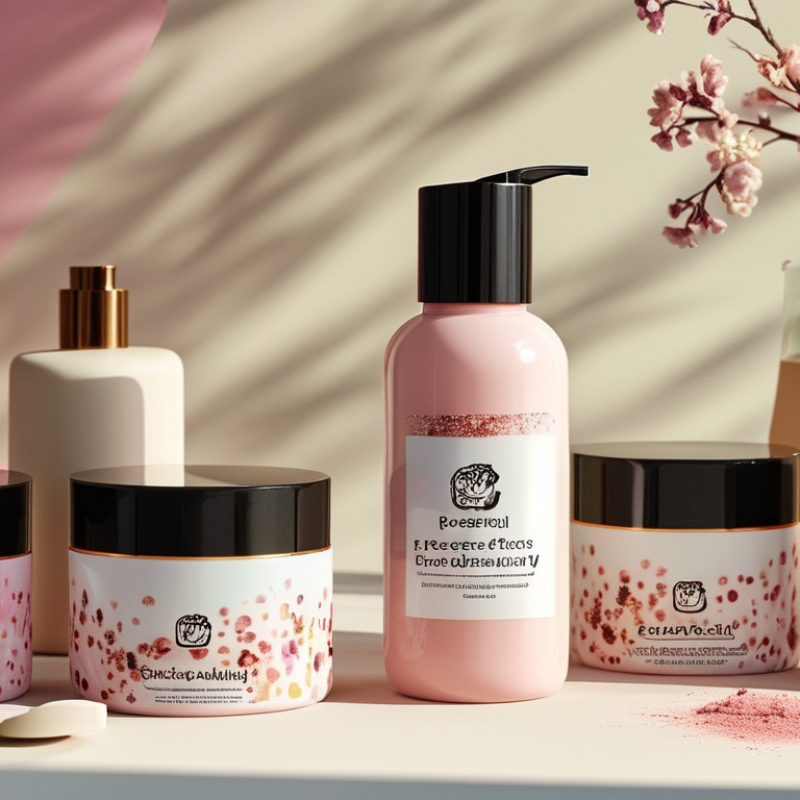
Packaging plays a crucial role in the stability of cosmetic products. It serves as the first line of defense against external factors such as light, air, and moisture. For instance, UV rays can degrade sensitive ingredients, leading to reduced effectiveness. A well-designed package can block harmful light and maintain product integrity.
In addition, the choice of materials significantly impacts product stability. Glass and certain plastics offer more protection than others. However, not all materials are perfect. Some might react with the product over time. This can lead to changes in color or texture. Packaging that isn’t hermetically sealed can also allow air to enter, causing oxidation.
Consumers often overlook packaging stability. Many focus on ingredients rather than how they are contained. This lack of awareness can lead to disappointment. It's essential for consumers to consider how packaging influences freshness and effectiveness. Thoughtful packaging design promotes longer shelf life and enhances user experience.
Packaging plays a critical role in maintaining the stability of cosmetic products. Different types of packaging materials can influence factors such as moisture, light exposure, and temperatures. For instance, glass containers offer superior protection against UV rays. They prevent degradation of sensitive ingredients like vitamins. However, glass is heavier and can break easily.
Plastic packaging, on the other hand, is lightweight and shatter-resistant. However, certain plastics can leach chemicals into products over time. This may compromise the integrity of natural formulations. Choosing the right plastic is crucial. Biodegradable materials are an emerging option. They provide environmental benefits, but their performance can vary significantly.
Metal containers also present a unique set of advantages. They offer excellent barrier properties against air and moisture. However, they can react with certain products, altering their effectiveness. This highlights the importance of understanding material interactions. Each packaging type comes with pros and cons. The right choice depends on the product's formulation and intended use. Selecting the most suitable packaging requires careful consideration and expertise.
Packaging plays a critical role in preserving the stability of cosmetic products. It acts as a barrier against various environmental factors, including light, moisture, and air. For instance, a report from the International Journal of Cosmetic Science highlights that light can degrade certain active ingredients, reducing their effectiveness and shortening shelf life. Dark-colored or opaque packaging can mitigate this risk significantly.
Moisture can also compromise a product’s quality. Cosmetics exposed to high humidity may experience changes in texture or microbial contamination. According to the Consumer Product Safety Commission, about 25% of cosmetic products suffer from stability issues due to improper packaging. Specialized seals and moisture-resistant materials are essential for protecting formulations from such environmental stressors.
Air exposure can lead to oxidation, which alters the composition of oils and fragrances. Recent studies show that airtight containers can prolong product integrity. Despite advances in packaging technology, many companies still struggle with finding the right materials. This inconsistency raises questions about the long-term reliability of some packaging solutions. A well-thought-out approach to packaging design is crucial for ensuring cosmetic efficacy over time.
Storage conditions play a crucial role in the stability of cosmetic products. Temperature, humidity, and exposure to light can determine how long a product remains effective. High temperatures can cause emollient separation or spoilage of active ingredients. For instance, creams stored in overly warm environments may change texture or odor.
Humidity is another factor that often goes unnoticed. In damp conditions, products can become contaminated or grow mold. This is especially true for products with water-based ingredients. Light exposure can also degrade sensitive components. Products left in direct sunlight often lose their efficacy faster than those kept in darker areas.
It’s important to understand that even high-quality packaging cannot fully protect products from all environmental stressors. Users often overlook this aspect and may store items improperly. Reflecting on storage habits can improve the longevity of cosmetic products. Proper awareness and consideration of storage conditions can help maintain product integrity.
| Packaging Type | Impact on Stability | Optimal Storage Conditions | Shelf Life |
|---|---|---|---|
| Glass Jars | Minimal interaction with product; protects from air and light | Cool and dark environment | 24-36 months |
| Plastic Bottles | Can leach chemicals; less effective against light | Avoid heat and direct sunlight | 12-24 months |
| Airless Pump | Prevents contamination; reduces exposure to air | Room temperature, away from moisture | 24-30 months |
| Metal Tubes | Protects from light and external elements; can corrode | Dry, cool conditions | 18-24 months |
| Pouches | Lightweight; susceptible to tearing; less durable | Keep away from heat and light | 6-12 months |
Packaging plays a crucial role in determining the shelf life of cosmetic products. According to a study by the Personal Care Products Council, over 75% of cosmetic failures are linked to inadequate packaging. Poorly designed containers can expose contents to light and air, leading to degradation over time. For instance, unstable emulsions might separate when exposed to air, reducing efficacy.
Different packaging materials significantly influence product longevity. Glass containers generally offer superior protection against oxygen and UV rays. In contrast, plastic may allow some permeation of air, potentially compromising ingredients. Furthermore, opaque packaging can minimize light exposure, which is vital for sensitive active ingredients like vitamins. Research indicates that products stored in clear packaging deteriorate 20% faster due to light exposure.
Despite these insights, brands often overlook the importance of packaging. Aesthetic considerations sometimes outweigh practical needs, putting product stability at risk. Many consumers are unaware that the packaging can impact the effectiveness of their favorite products. Continuous evaluation of packaging choices is essential to enhance product stability and ensure consumer satisfaction.
: Packaging protects against light, air, and moisture, which can degrade ingredients and reduce effectiveness.
UV rays can break down sensitive ingredients, leading to diminished product performance over time.
Glass and specific plastics offer better protection compared to others. However, some plastics may interact with the product.
Yes, inadequate packaging can expose products to air and light, causing degradation and reducing their efficacy.
Products in clear packaging degrade 20% faster due to light exposure. Opaque packaging is better for sensitive ingredients.
Many consumers overlook packaging stability, focusing instead on ingredients. This can lead to disappointment in product effectiveness.
Thoughtful packaging design can enhance freshness and improve the overall user experience with cosmetic products.
Brands sometimes prioritize aesthetics over functionality, risking the stability of the products.
Air can cause oxidation, which may alter color and texture, ultimately impacting product quality.
Yes, considering packaging is vital for ensuring product freshness and effectiveness over time.
The article "How Does Packaging Affect Cosmetic Product Stability?" explores the critical role of packaging in maintaining the integrity and longevity of cosmetic products. It highlights how different packaging materials can influence the chemical composition and effectiveness of the products they contain. By acting as a barrier against light, air, and moisture, proper packaging protects cosmetics from environmental factors that could compromise their stability and performance.
Furthermore, the article discusses the importance of storage conditions on cosmetic stability, emphasizing that inappropriate handling can lead to decreased shelf life. Ultimately, it underscores how packaging impacts cosmetic product stability, enabling manufacturers to make informed decisions that ensure the safety and efficacy of their products over time.

Aurelia Glass