Luxury skincare brands increasingly favor glass packaging. This choice is not merely aesthetic. It involves sustainability, product preservation, and consumer perception. According to a report by Grand View Research, the global glass packaging market is expected to reach $79.4 billion by 2025, driven by demand for clean and sustainable options.
Expert Dr. Emily Schwartz, a leading figure in sustainable packaging, emphasizes, "Glass not only enhances product integrity but also aligns with eco-conscious values." This underscores a shift in consumer preferences. Many buyers associate glass with quality. The tactile experience of glass packaging adds to the luxury feel of high-end skincare products.
Despite its advantages, using glass has challenges. It can be heavier and more fragile than alternatives. Brands must balance luxury and practicality. As the industry evolves, understanding "why luxury skincare brands prefer glass packaging" becomes crucial. The focus on sustainability and premium experience may shape future packaging trends. The path forward is complex, yet exciting, as brands navigate these preferences in a competitive market.
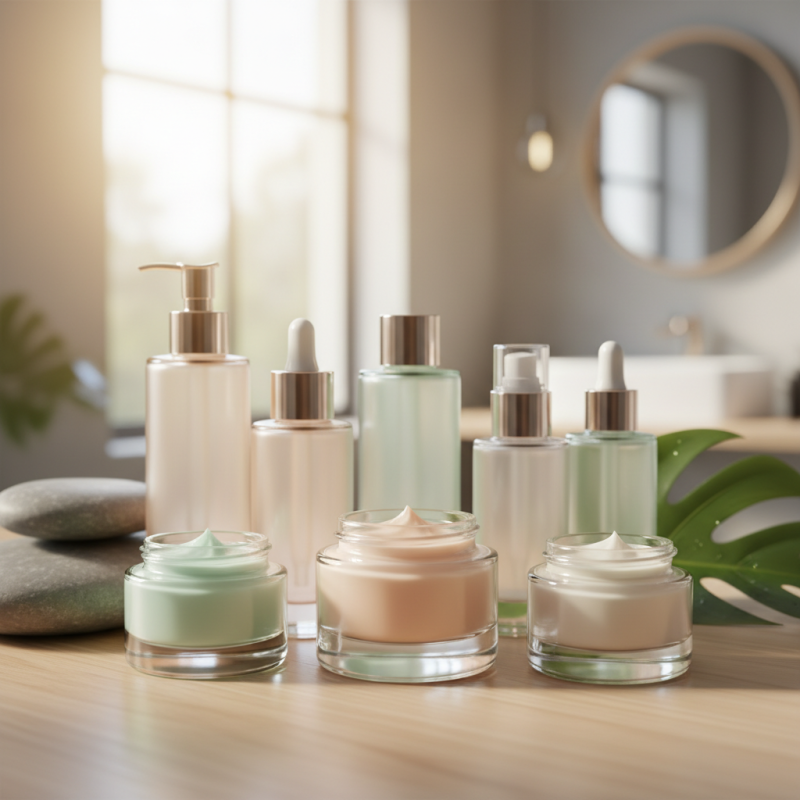
Glass packaging has become a popular choice for luxury skincare brands. One reason is its aesthetic appeal. The clarity of glass enhances the visual richness of the product inside. Customers are drawn to the elegance that glass bottles and jars provide. This allure is significant in a highly competitive market.
Moreover, glass is known for its properties that maintain product integrity. It is non-reactive and does not leach harmful chemicals. This ensures that the ingredients remain stable and potent. Consumers are increasingly aware of what they apply to their skin. They seek assurance that their skincare products are safe.
However, the use of glass is not without challenges. It can be heavier and more fragile than other materials. Transporting glass can also be more costly. Brands must weigh these factors against the benefits. Ultimately, the choice of glass reflects a commitment to quality. It communicates a brand’s philosophy and dedication to providing the best for consumers.
Luxury skincare brands often choose glass packaging for its aesthetic appeal. Glass exudes sophistication and elegance, enhancing the product's perceived value. The clarity of glass allows consumers to see the product inside, creating a sense of transparency. This visibility can lead to higher trust in the quality of the product.
Moreover, the weight and texture of glass add a tactile experience. The cool, smooth surface feels more luxurious in the hand. Many consumers associate glass with high-quality, effective formulations. However, glass is fragile and can break easily, raising concerns about practical use. Brands often grapple with this balance between luxury and usability.
Another aspect to consider is sustainability. Glass is recyclable and often reused, reducing environmental impact. This focus on eco-friendliness resonates with many consumers today. However, not all consumers may prioritize these values over convenience. Additionally, the production of glass packaging requires energy and resources. Brands must reflect on these complexities while aligning with their luxury ethos.
The growing concern about sustainability has led luxury skincare brands to reconsider their packaging choices. Glass packaging stands out for its eco-friendly attributes. Unlike plastic, glass is fully recyclable and can be reused multiple times without degrading. According to a 2022 report by the Ellen MacArthur Foundation, only 9% of plastic waste is recycled. Conversely, glass boasts a recycling rate of around 70% in many countries, which directly contributes to lower carbon emissions.
However, the production of glass can be energy-intensive. It requires more energy to manufacture compared to plastic. Despite this, glass does not release harmful chemicals into the environment, unlike some plastics. A study from the U.S. Environmental Protection Agency indicates that toxic additives in many plastic products may leach into the soil and water. This highlights the complexity of the sustainability narrative. While glass presents challenges in energy consumption, its long-term benefits often outweigh these drawbacks.
Consumers are becoming increasingly aware of these factors. A survey by Bain & Company found that 70% of consumers now prefer products with sustainable packaging. This trend places pressure on brands to prioritize eco-friendly options. Though glass packaging might seem less convenient due to its weight, the growing demand for transparency in sustainability efforts suggests that luxury skincare brands must explore the right balance. Choices made now will shape the industry’s future.
Luxury skincare brands often prioritize glass packaging for several reasons. The integrity of the product is paramount. Glass helps maintain the stability of active ingredients. Unlike plastic, glass is non-porous and does not interact with the contents. This quality preserves the effectiveness of sensitive formulations, ensuring they remain potent and fresh over time.
Consumers are becoming increasingly aware of the importance of sustainability. Glass is widely recyclable and reduces environmental impact. However, not all glass is created equal. Some luxury brands struggle with the weight and fragility associated with glass containers. There are constant discussions around how to balance aesthetics with practicality.
Moreover, glass packaging often provides a premium feel. The tactile experience of glass enhances the perception of luxury. Yet, it can be challenging to create innovative designs that stand out on the shelf. Brands must reflect on how to effectively communicate their values while meeting consumer needs. The beauty industry is evolving, and glass packaging plays a significant role in shaping its future.
| Packaging Type | Preservation of Ingredients | Brand Perception | Environmental Impact |
|---|---|---|---|
| Glass | Excellent barrier against air and moisture, preserving active ingredients effectively. | Conveys luxury, quality, and sophistication; enhances overall aesthetic. | Recyclable and reduces plastic waste; more sustainable compared to plastic. |
| Plastic | Potential for ingredient degradation due to oxygen permeation. | Often perceived as cheaper and lower quality. | Less recyclable and contributes to more environmental waste. |
| Acrylic | Better than plastic but still less effective than glass. | Can be perceived as modern but lacks the luxury appeal of glass. | Lower environmental impact than plastic, but still not ideal. |
When it comes to luxury skincare, packaging plays a crucial role in consumer perception. Glass packaging is a popular choice for high-end brands. It signifies quality and sophistication. A sleek glass bottle catches the eye and evokes a sense of elegance. Many consumers associate glass with purity and effectiveness. This perception is not just about looks; it's about trust in the product.
With luxury skincare, the story begins with the packaging. Glass feels substantial in hand and enhances user experience. It reflects the brand’s commitment to sustainability, as glass is recyclable and eco-friendly. However, the weight and fragility of glass can be a drawback. Consumers might prefer lighter, more durable options for travel. Brands must consider balancing aesthetic appeal and practicality.
Tips for brands: Invest in quality design. Ensure ergonomic functionality. While maintaining luxury appeal, prioritize user experience. Assess consumers’ preferences and gather feedback. Understanding these aspects can help brands create a stronger connection with their audience.
: Glass packaging enhances aesthetic appeal and conveys elegance, drawing customers in a competitive market.
Glass is non-reactive and preserves the potency of ingredients, ensuring products remain stable over time.
Glass is recyclable and can be reused, contributing to lower carbon emissions compared to plastic.
Yes, glass can be heavier and more fragile, making transportation more costly and complicated for brands.
Many consumers prefer sustainable options, influencing brands to prioritize eco-friendly packaging choices.
No, different types of glass exist. Brands must consider weight and fragility when designing packaging.
The tactile feel of glass enhances the premium experience, reflecting brand values in a meaningful way.
There is growing demand for transparency and eco-friendly options that brands must navigate carefully.
Brands must innovate designs that are visually appealing while ensuring functionality and consumer safety.
The beauty industry is shifting. Glass packaging will play a critical role in shaping future consumer preferences.
The article explores why luxury skincare brands prefer glass packaging, highlighting the multifaceted appeal of this choice. One primary advantage is the aesthetic appeal of glass, which exudes sophistication and elegance, aligning perfectly with the high-end image these brands strive to maintain. Additionally, glass is celebrated for its sustainability, as it is recyclable and environmentally friendly compared to plastic, making it a responsible choice for eco-conscious consumers.
Moreover, glass packaging is instrumental in preserving product integrity, as it effectively protects the contents from external factors such as light and air, which can degrade product quality. This preservation is crucial for luxury skincare products, ensuring that consumers receive the highest quality results. Finally, consumer perception plays a significant role; the use of glass reinforces a brand's luxury image, influencing purchasing decisions in a market that greatly values both aesthetics and quality.
Aurelia Glass