Luxury skincare brands prioritize quality and aesthetics. One key element in their packaging choices is glass. According to Dr. Grace Lee, a leading expert in cosmetic science, “Glass ensures that the ingredients remain pure and unchanged.”
Exploring why luxury skincare brands prefer glass packaging reveals important insights. Glass protects delicate formulations from light, air, and temperature fluctuations. This protection preserves the effectiveness, ensuring consumers receive the best possible product. Additionally, glass carries a premium feel. It exudes sophistication, making the product attractive on shelves.
However, it's important to reflect on sustainability. While glass is recyclable, its production can be energy-intensive. Brands must balance luxury and environmental responsibility. Does the allure of glass outweigh its environmental impact? These are crucial considerations in today’s market. Furthermore, some consumers may prefer lighter, more convenient packaging. The dialogue surrounding why luxury skincare brands prefer glass packaging is ongoing. Each decision must weigh aesthetics against broader responsibility.
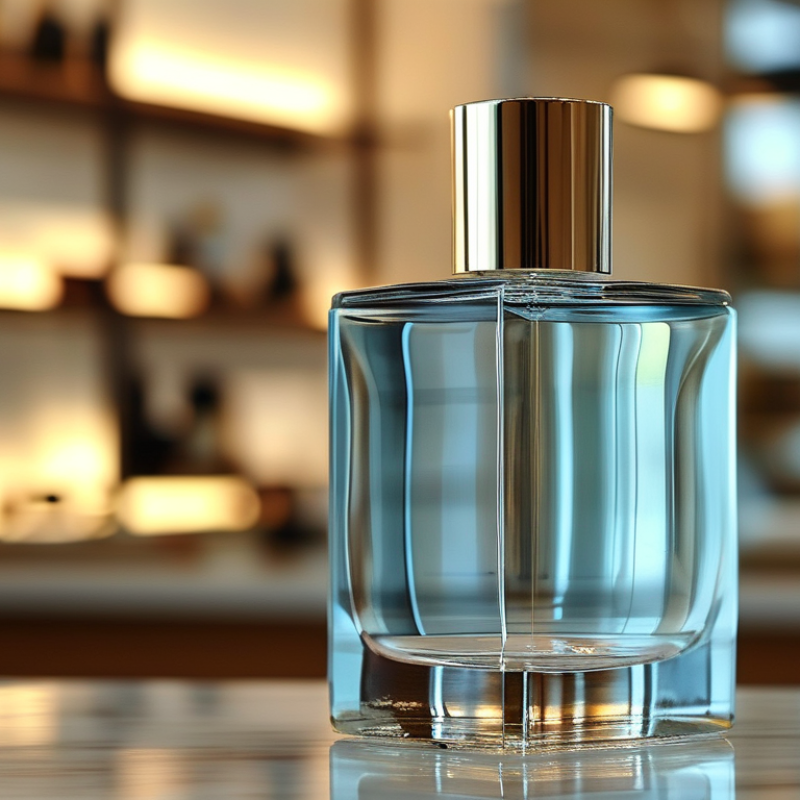
Glass packaging has become a popular choice among luxury skincare brands. Its aesthetic appeal plays a significant role in attracting consumers. Glass feels premium in hand and enhances the overall experience. This transparent material allows customers to see the product inside, creating trust and inviting them to engage. The elegance of glass captures light beautifully, often elevating the look of the skincare line.
When choosing skincare, consider the packaging. Glass can be heavier, but its beauty is unmatched. This weight gives a sense of substance and quality. For brands, glass suggests refinement and tradition. However, it can break easily, adding a layer of risk for both brands and consumers. Some find switching to glass impractical, especially when considering travel.
Tips for consumers: Look for brands that use recycled glass. This choice shows a commitment to sustainability. Also, consider the size of the container. Larger jars may seem economical, but they may expose more product to air and light. This exposure can diminish the product's effectiveness over time. Be mindful of these factors when selecting your skincare products.
The shift to glass packaging in luxury skincare is gaining momentum. Glass is not only aesthetically pleasing but also more environmentally friendly than plastic. According to a 2021 report by the Plastic Pollution Coalition, approximately 79% of global plastic waste accumulates in landfills or the environment. In contrast, glass has a recycling rate of about 90%, making it a superior choice for sustainability enthusiasts.
Choosing glass over plastic also helps reduce carbon emissions. The World Economic Forum estimates that replacing plastic with glass can diminish carbon footprints by up to 30%. This is particularly relevant in an era where sustainable practices are paramount for consumer trust. However, the fragility of glass can lead to increased transportation costs and challenges in product safety, raising questions about its practicality.
Although glass is often perceived as the elite packaging choice, its potential drawbacks merit consideration. Manufacturing glass requires more energy than producing plastic, contributing to its environmental impact. While luxury brands prioritize aesthetics and sustainability, they must balance performance and practicality when selecting materials. The challenge lies in innovating packaging solutions that echo their sustainability commitments while ensuring product longevity and consumer safety.
Luxury skincare brands are increasingly opting for glass packaging due to its effectiveness in preserving product integrity. Glass is inherently impermeable, which means it prevents exposure to air, moisture, and pollutants. These factors can significantly degrade the quality and efficacy of skincare formulations. In a study conducted by the Packaging Association, it was revealed that 87% of beauty professionals believe that glass offers superior protection compared to plastic.
Moreover, glass packaging is often recyclable and biodegradable, aligning with the growing consumer preference for sustainable products. According to a report by market research firm Statista, 75% of consumers are willing to pay more for eco-friendly packaging. However, despite the benefits, brands face challenges. The fragility of glass compared to plastic can lead to increased shipping costs and the risk of breakage.
Another point of reflection is the weight of glass. It can lead to a larger carbon footprint during transportation. This complexity suggests that while glass is an excellent barrier to protect active ingredients, the logistics involved can be a double-edged sword. Balancing efficacy with sustainability and cost-effectiveness remains a continuous journey in the luxury skincare industry.
| Aspect | Benefit | Impact on Product | Consumer Perception |
|---|---|---|---|
| Durability | Resistant to environmental factors | Maintains efficacy over time | Perceived as high-quality |
| Sustainability | Recyclable and reusable | Environmental impact reduction | Attracts eco-conscious consumers |
| Aesthetic Appeal | Elegant and premium look | Enhances product desirability | Creates a luxury image |
| Barrier Protection | Prevents contamination | Keeps formula stable | Builds trust with consumers |
In recent years, glass packaging has become a favorite among luxury skincare brands. This preference is rooted in consumer perceptions of quality and sophistication. Glass offers a tactile and visual appeal that plastic simply cannot match. Its weight and transparency convey a sense of luxury. Consumers often associate glass packaging with higher efficacy and authenticity.
However, the allure of glass also brings challenges. It can be fragile and heavier, impacting shipping and usage. Some consumers may find it inconvenient. Brands must balance elegance with practicality. This sometimes leads to a gap between aesthetics and real-life usability. Despite these issues, the image of glass remains tied to notions of prestige. The ongoing conversation about sustainability adds another layer to this dynamic.
While many consumers appreciate environmentally friendly materials, the push for glass must be sustainable too. Brands should consider recycling programs or using recycled glass. This approach aligns with modern consumer values. The dialogue around glass packaging is evolving. Brands must remain attentive to consumer expectations as they navigate this complex landscape.
Glass packaging in luxury skincare reflects a blend of elegance and functionality. Its weight gives a sense of value. When customers hold a glass bottle, they feel connected to the product. The transparency of glass also showcases the formulation inside, a visual invitation to trust the quality.
Innovative designs elevate this experience further. Curved edges and intricate shapes catch the eye, while pump dispensers offer precise usage. These designs prioritize user experience. However, the fragility of glass can pose challenges. It is essential to balance aesthetics with practicality. Brands must continuously innovate without compromising on sustainability. Transparency in sourcing materials can enhance trust, but not all brands meet this challenge.
Many consumers appreciate the tactile experience of glass. It feels luxurious, yet its production can have environmental impacts. As brands explore eco-friendly alternatives, they must consider the trade-offs. Finding the perfect equilibrium between luxury design and environmental responsibility takes effort. Thus, the journey toward ideal packaging is ongoing.
: Glass has a recycling rate of about 90%, while 79% of plastic waste ends up in landfills.
Replacing plastic with glass can reduce carbon footprints by up to 30%.
Glass is fragile and heavier, which can increase shipping costs and affect product safety.
Many consumers associate glass with quality and sophistication, enhancing brand prestige.
Producing glass requires more energy, raising concerns about its overall environmental impact.
Brands can implement recycling programs or use recycled glass to align with consumer values.
Some customers find glass inconvenient due to its weight and fragility.
The aesthetic quality and tactile feel of glass enhance its perceived efficacy and authenticity.
The focus on aesthetics sometimes overshadows practical concerns for daily use.
They need to balance sustainability, product longevity, and consumer safety in their designs.
Luxury skincare brands prefer glass packaging for a multitude of reasons. Firstly, the aesthetic appeal of glass not only enhances the visual allure of the products but also conveys a sense of sophistication and luxury that resonates with consumers seeking high-end skincare solutions. Additionally, glass is environmentally friendly, offering a sustainable alternative to plastic that aligns with the growing consumer demand for eco-conscious packaging choices.
Moreover, glass packaging plays a crucial role in preserving product integrity, as it protects the efficacy of the formulations by minimizing exposure to air and light. This preservation ensures that the active ingredients remain potent over time. Lastly, the use of glass packaging can enhance brand prestige, as consumers often associate glass containers with quality and luxury. Innovative glass designs further bridge functionality with elegance, making them a preferred choice among luxury skincare brands.

Aurelia Glass