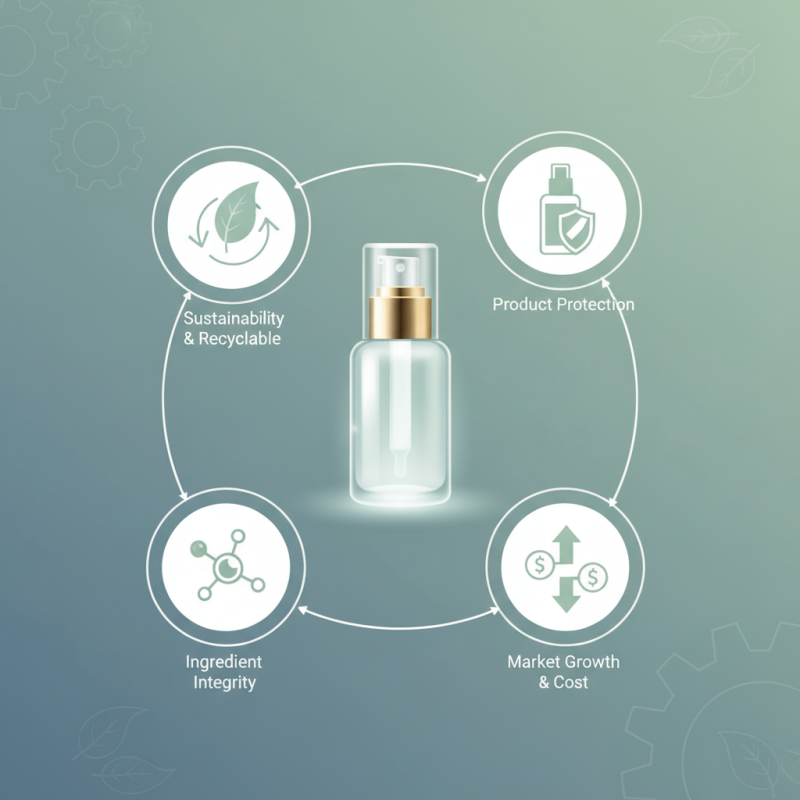
In recent years, glass packaging has started to dominate the cosmetics industry. A report from Smithers Pira indicates that the global glass cosmetic packaging market is projected to reach $5.3 billion by 2027. This surge highlights why glass packaging is popular in cosmetics. It is not just an aesthetic choice; glass offers superior product protection, preserves ingredient integrity, and is fully recyclable.
Experts in the field, such as Dr. Emily Chen from the Packaging Institute, emphasize the shift towards glass. She states, "Consumers are now more environmentally conscious. Glass packaging aligns with their values." Her insights reflect a broader trend where companies see glass as a way to enhance brand credibility and sustainability. However, some brands still hesitate due to the higher production costs associated with glass versus plastic.
Despite these challenges, the advantages of glass cannot be overlooked. Its premium feel and recyclability appeal to discerning consumers. Yet, many brands must rethink their supply chain strategies to make the switch feasible. The industry's movement towards glass poses both progress and questions. How can brands balance cost and sustainability while meeting consumer demand? This narrative will explore the rising trend in glass packaging within cosmetics.
The Shift Towards Sustainable Beauty: The Role of Glass Packaging
The rise of sustainable beauty reflects a significant shift in consumer preferences. People are more environmentally conscious today. This change has led to a renewed interest in glass packaging for cosmetics. Glass is recyclable and reduces plastic waste significantly. Many consumers appreciate its eco-friendly nature.
Glass packaging has a premium aesthetic as well. Many view it as more luxurious compared to plastic. It offers a tactile experience that metal or plastic cannot replicate. However, some consumers report concerns over breakage. This is an aspect worth discussing. While glass may be more sustainable, its fragility can be inconvenient.
Brands need to consider whether reusable glass containers can work for their products. It's a challenge balancing sustainability with practicality. Finding the right suppliers can also be difficult. As glass becomes more popular, the industry must address these issues. Feedback from consumers is essential for improvement. The journey toward sustainable beauty is ongoing and complex.
Market Trends: Growth of Glass Packaging in the Cosmetic Industry
The cosmetic industry is witnessing a notable shift towards glass packaging. Consumers increasingly seek sustainable options. Glass is recyclable and complements eco-friendly values. Its premium look also elevates product perception. Brands understand that packaging impacts buying decisions. Beautiful glass containers attract more buyers.
Trend analysis shows rising demand for glass in cosmetic products. Many brands are rethinking their packaging strategies. Some innovate with refillable glass containers, reducing waste. This approach appeals to eco-conscious consumers. However, challenges exist. Glass can be heavier and more fragile than plastic. Brands must weigh cost versus sustainability.
Consumer education is vital. Many individuals may not recognize glass's benefits. Transparent labeling can help. Clear messages about the product's eco-friendly nature build trust. Emphasizing the recyclability of glass packages is essential. This will inform and engage customers, allowing brands to thrive in a competitive market.
Why is Glass Packaging Gaining Popularity in Cosmetics?
| Year |
Market Size (USD Million) |
Growth Rate (%) |
Percentage of Glass Packaging (%) |
| 2020 |
4500 |
3.1 |
15 |
| 2021 |
4700 |
4.4 |
17 |
| 2022 |
5000 |
6.4 |
20 |
| 2023 |
5300 |
6.0 |
22 |
| 2024 |
5700 |
7.5 |
25 |
Environmental Impact: Reducing Plastic Waste with Glass Alternatives
The shift towards glass packaging in the cosmetics industry reflects growing environmental awareness. Glass offers a sustainable alternative to plastic. In fact, the global glass packaging market is forecasted to reach $85.3 billion by 2027, driven largely by eco-conscious consumers. Data shows that over 300 million tons of plastic are produced annually. A significant portion ends up in oceans, harming marine life.
Switching to glass can significantly reduce plastic waste. Glass is recyclable and can be reused multiple times without losing quality. Studies indicate that if all plastic packaging were replaced with glass, the reduction in plastic pollution could exceed 50%. However, challenges remain. Glass is heavier than plastic, leading to increased transportation emissions. Moreover, not all consumers are keen on adopting glass due to higher costs.
Many in the industry acknowledge these dilemmas. While glass is an appealing choice, its practicality can falter. Finding a balance between sustainability and cost-effectiveness is essential. Moving forward, brands must conduct thorough assessments of their packaging choices. Understanding the long-term environmental impacts while considering consumer behavior will be crucial in fostering sustainable practices in cosmetics.
Consumer Preferences: The Appeal of Aesthetic and Premium Glass Design
The rise of glass packaging in the cosmetics industry reflects a shift in consumer preferences. Many customers are drawn to the aesthetic appeal that glass offers. Its sleek and sophisticated look enhances the overall presentation of products. This visual charm plays a significant role in attracting buyers. The transparency of glass allows consumers to see the product, fostering trust and connection.
In recent years, premium glass designs have emerged. These designs offer unique shapes and intricate details. The tactile experience of holding a glass bottle feels more luxurious to many. It's not just about the contents; the packaging matters too. However, some consumers worry about the weight and fragility of glass. These concerns make them hesitant, despite the beauty and elegance of glass.
Moreover, the environmental aspect cannot be ignored. Glass is recyclable, which appeals to eco-conscious consumers. This natural material aligns with the values of sustainability. However, not every brand has embraced glass yet. There is still a long way to go in making glass packaging mainstream in cosmetics. Customers continue to seek out brands that prioritize both aesthetics and responsibility.
Safety and Preservation: Benefits of Glass for Cosmetic Product Integrity
Glass packaging is increasingly popular in the cosmetics industry. One major reason is its exceptional ability to preserve product integrity. Glass is an inert material that does not leach chemicals. This feature ensures that the quality of formulations remains intact over time. Consumers can trust glass packaging to safeguard their cosmetics.
Another key advantage of glass is its safety profile. Unlike plastic, glass is less likely to retain smells or colors from previous contents. This characteristic allows for a fresh experience every time a product is used. Furthermore, glass is easy to recycle, making it an eco-friendly choice. However, glass can be heavy and fragile, posing challenges in transportation and handling.
In the realm of cosmetics, packaging reflects a brand's commitment to quality. Glass conveys a sense of luxury and care. This perception can sometimes lead to increased consumer expectations. Brands must balance visual appeal with actual performance. While glass holds undeniable benefits, brands should also address its drawbacks. It's vital to consider both sides for informed choices.
FAQS
: Consumers are more environmentally conscious today. They prefer products that align with sustainability values.
Glass packaging is recyclable and reduces plastic waste significantly. It also offers a premium aesthetic.
The sleek look of glass attracts buyers. Its transparency fosters trust, allowing consumers to see the product.
Yes, some consumers worry about the weight and fragility of glass. Breakage can be a significant concern.
Brands need to consider reusable glass containers. Finding suitable suppliers can be challenging as demand increases.
No, not every brand has embraced glass yet. There's still a long way to go for its widespread use.
Premium glass designs feature unique shapes and intricate details. These designs enhance the overall presentation of products.
Yes, the packaging matters significantly to consumers. Beautiful packaging can influence their buying decisions.
Brands should seek feedback on durability and design. Consumers' experiences can guide improvements in packaging.
The journey is ongoing and complex. Brands must evolve based on consumer preferences and environmental concerns.
Conclusion
The rising popularity of glass packaging in cosmetics can be attributed to several key factors. Firstly, the shift towards sustainable beauty has prompted both consumers and brands to seek eco-friendly alternatives to plastic. Glass packaging significantly reduces plastic waste, aligning with the growing trend of environmental consciousness. Market trends indicate a continued growth in the use of glass within the cosmetic industry, reflecting a consumer demand for sustainable options.
Moreover, why glass packaging is popular in cosmetics is also linked to aesthetics; many consumers are drawn to the premium look and feel of glass containers, which enhance the perceived value of the products. Additionally, glass provides better safety and preservation for cosmetic products, maintaining their integrity and efficacy over time. As beauty consumers become more discerning, the combination of sustainability, design appeal, and product preservation solidifies glass packaging's place in the industry.

 Aurelia Glass