In recent years, the demand for eco-friendly packaging has surged, especially in the organic skincare industry. With about 65% of consumers preferring sustainable options, brands face pressure to adapt. Research shows that nearly 70% of shoppers are willing to pay more for products with environmentally friendly packaging. This shift raises an important question: what is the best packaging for organic skincare?
Sustainable packaging not only benefits the environment but also enhances brand reputation. Using biodegradable materials can significantly reduce ecological footprints. For instance, studies indicate that switching to sustainable packaging can lower carbon emissions by up to 30%. However, it's essential to recognize the challenges involved. Not all eco-friendly options are universally accepted or affordable. Brands must carefully evaluate their choices.
The movement towards eco-friendly packaging reflects a broader shift in consumer behavior. As awareness of environmental issues grows, so does the expectation for brands to deliver sustainable solutions. The challenge lies in balancing cost, effectiveness, and sustainability. Embracing innovative strategies in packaging can lead to better outcomes for both brands and consumers. The journey continues as we explore various options available to create a more sustainable future in skincare.
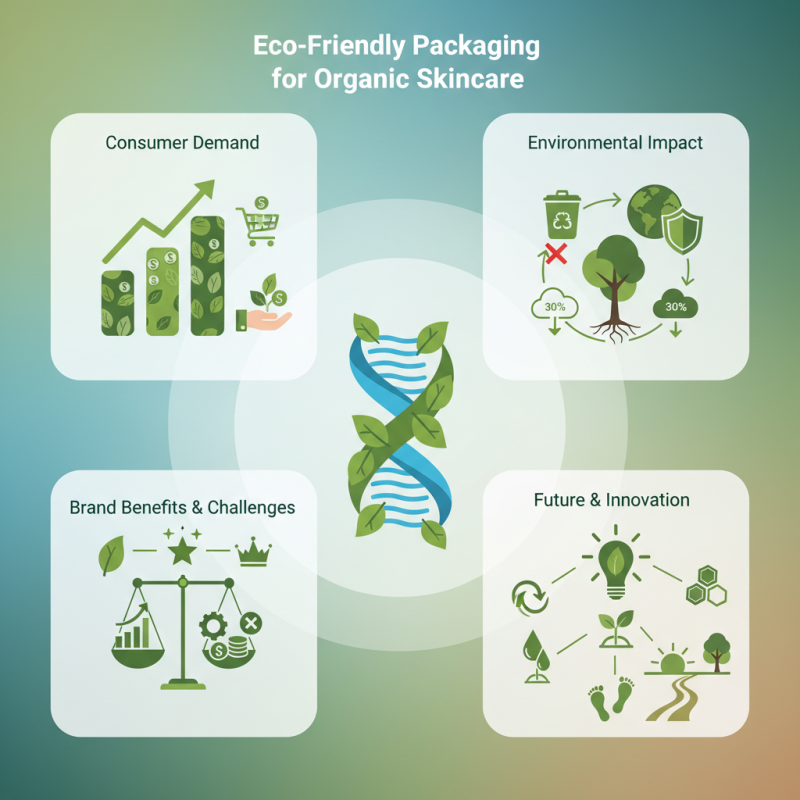
Eco-friendly packaging plays a crucial role in the organic skincare industry. It reflects a commitment to sustainability and environmental responsibility. Many consumers seek products that align with their values, and eco-friendly choices resonate more deeply. Wood pulp, glass, biodegradable materials, and recycled paper are popular options. They not only reduce plastic waste but also convey a brand's authenticity.
The importance of eco-friendly packaging extends beyond marketing. It embodies a holistic approach to skincare that nurtures both skin and planet. Organic ingredients deserve packaging that preserves their integrity. However, eco-friendly materials can sometimes be more expensive and less durable. Brands face a challenge in balancing cost with environmental impact. Innovation is key to overcoming these hurdles. Designing effective, sustainable packaging requires creativity and careful thought.
While the movement towards greener options is commendable, it is not flawless. Some eco-friendly containers can still lead to pollution if not disposed of correctly. Consumers must learn the right ways to recycle. Moreover, there is often a lack of transparency in how these materials are sourced. The industry must continually strive for improvement, ensuring that eco-friendly packaging truly makes a difference. From consumer awareness to responsible sourcing, it is essential to reflect on our choices and their effects on the planet.
| Criteria | Description | Benefits |
|---|---|---|
| Material Source | Made from renewable resources like recycled paper, biodegradable plastics, or plant-based materials. | Reduces landfill waste and reliance on fossil fuels. |
| User Health | Non-toxic materials ensure safety for skin and environment. | Minimizes risk of allergic reactions and exposure to harmful chemicals. |
| Brand Reputation | Eco-friendly practices attract environmentally conscious customers. | Enhances customer loyalty and strengthens brand image. |
| Functional Design | Innovative designs that maintain product integrity while using less material. | Improves user experience and reduces material waste. |
| Lifecycle Impact | Consideration of the entire life cycle from production to disposal. | Promotes sustainability and reduces overall environmental footprint. |
: Eco-friendly packaging uses sustainable materials to minimize environmental impact. It supports a circular economy and reduces waste.
Many consumers value sustainability. Studies show that around 72% prefer products with environmentally friendly packaging.
Using sustainable packaging can enhance a brand’s image. It promotes customer loyalty and attracts eco-conscious buyers.
Eco-friendly materials may not always offer the same protection as traditional options. This raises concerns about product safety.
Brands need to genuinely adopt eco-friendly practices, not just market themselves as green. Transparency about materials is essential.
Regulations are tightening on plastic usage and recyclability. Brands must comply to avoid fines and appeal to consumers.
Biodegradable options, glass, metal, and plant-based materials are gaining popularity. They align with consumer preferences for sustainability.
Consumers should seek clear information about packaging materials. Understanding sourcing and end-of-life processes helps in decision-making.
Some brands fear high initial costs. They worry that these expenses might outweigh long-term savings and customer retention.
While some eco-friendly materials may pose challenges, brands must evaluate their options to ensure safety and longevity.
Eco-friendly packaging is increasingly recognized as the best packaging for organic skincare due to its alignment with sustainable business practices and consumer values. It prioritizes the use of biodegradable, recycled, or renewable materials, thereby reducing environmental impact and appealing to eco-conscious consumers. The benefits extend beyond mere aesthetics; sustainable packaging can enhance brand reputation and foster customer loyalty, as consumers are becoming more attentive to the ecological footprint of their purchases.
Moreover, regulatory trends are pushing the skincare industry towards more sustainable solutions. As awareness of environmental issues grows, consumers are more likely to choose products that reflect their values, significantly influencing their purchasing decisions. In conclusion, what is the best packaging for organic skincare? It is certainly one that embodies sustainability, engages consumers positively, and complies with emerging regulations, ensuring a responsible approach to beauty and care.

 Aurelia Glass