In an industry where visual appeal directly influences consumer choices, understanding how to design cosmetic packaging for a new brand becomes essential. According to a report by Grand View Research, the global cosmetic packaging market is projected to reach USD 37.4 billion by 2025. This indicates a growing competitive landscape that emphasizes innovative and eye-catching designs to capture consumer attention.
Effective packaging not only protects the product but also serves as a vital marketing tool. A well-designed package can increase perceived value and enhance brand recognition. Research shows that 72% of consumers judge a product by its packaging. Therefore, brands must invest time in crafting designs that reflect their identity while appealing to target demographics. Mistakes can occur; for instance, overly complex designs may confuse consumers rather than attract them.
Moreover, sustainable packaging practices are becoming increasingly important. A survey from Nielsen reported that 66% of global consumers are willing to pay more for products from sustainable brands. Brands must reflect on how their packaging aligns with these growing environmental concerns. Ultimately, recognizing these factors is crucial for any brand seeking to establish a strong market presence.
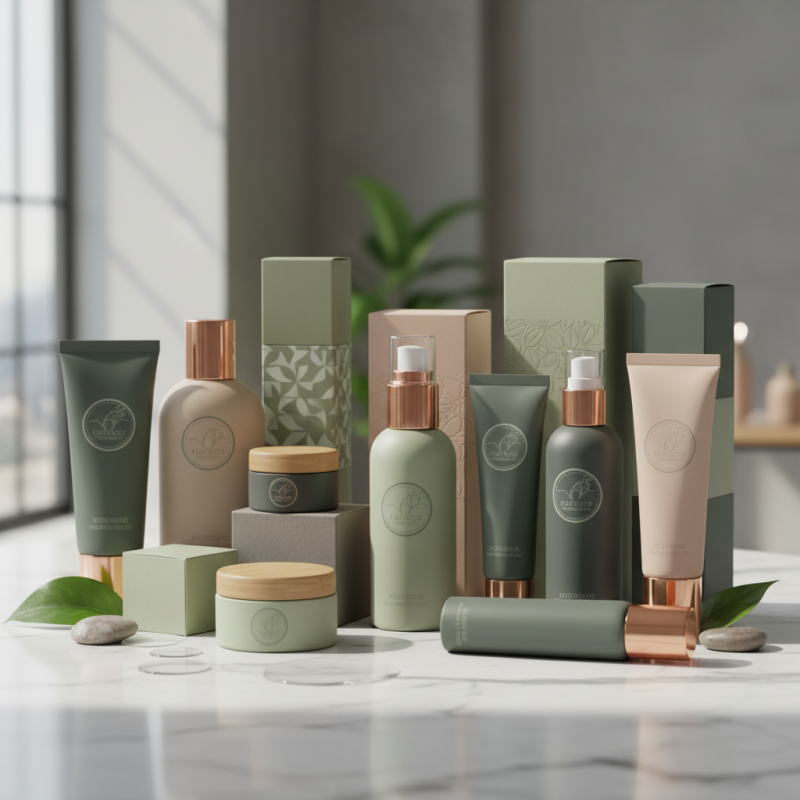
Creating eye-catching cosmetic packaging involves several key principles. Color plays a crucial role. Bright, bold colors can attract attention. However, too many colors can cause confusion. Striking a balance is essential. For instance, a pop of color against a neutral background can enhance appeal.
Typography is another important aspect. Clear, bold fonts communicate the product's essence. They should be easy to read. Decorative fonts can add personality but may hinder clarity. Strive for legibility over artistry. Simplicity often leads to better recognition.
Textures and materials also contribute to packaging design. A matte finish can feel luxurious, while glossy surfaces may appear modern. The choice of material can imply quality. Recyclable options are increasingly respected. It is a missed opportunity if sustainability is overlooked. However, adding too many elements might complicate the design. Reflecting on these aspects can lead to more effective packaging solutions.
Understanding your target audience is crucial in cosmetic packaging design. According to a 2022 report by Mintel, 72% of consumers are drawn to packaging before deciding to purchase. This highlights the importance of visual appeal in attracting attention. For instance, millennials prefer eco-friendly packaging, while Gen Z gravitates toward bold, vibrant designs. Knowing these distinctions helps brands create packaging that resonates.
Engaging with your audience through surveys or social media can offer valuable insights. A study from the Cosmetic Packaging Association revealed that 58% of consumers are influenced by personalized packaging. Brands should not only appeal to aesthetics but also reflect their values. Ignoring these preferences can lead to missed opportunities in a competitive market.
It's also essential to consider the practicality of packaging. While creative designs capture attention, functionality matters too. For example, a beautifully designed bottle that spills easily can frustrate customers. Finding the right balance between aesthetics and usability is often challenging. Brands must continuously refine their approaches based on consumer feedback and market trends.
| Target Audience | Age Group | Packaging Material | Preferred Design Elements | Color Preferences |
|---|---|---|---|---|
| Young Adults | 18-25 | Recyclable Plastic | Minimalistic, Bold Typography | Vibrant Colors |
| Working Professionals | 26-35 | Glass | Elegant, Functional Design | Neutral Tones |
| Mature Consumers | 36-55 | Biodegradable Materials | Classic, Timeless Design | Soft Pastels |
| Eco-Conscious Shoppers | All Ages | Recycled Paper | Nature-Inspired Designs | Earthy Colors |
Color is a powerful tool in cosmetic packaging design. Research shows that 85% of consumers make purchases based on color. This statistic highlights the importance of choosing the right color schemes. Soft pastels can evoke feelings of calm, while bright colors can grab attention. Each choice should reflect your brand's personality and values.
When selecting colors, consider the target audience. For example, millennials may respond better to bold colors, whereas an older demographic might prefer muted tones. Understanding color psychology is essential. Studies indicate that blue can inspire trust, while red can evoke excitement. Choose colors that resonate emotionally with your customers.
Tip: Test different color palettes with focus groups. Gather feedback on emotional responses. This practice can guide you to make informed decisions.
Additionally, remember that consistency matters. Use a cohesive color scheme across all products. This creates a recognizable brand identity. Too many colors can confuse potential buyers. Simplifying can sometimes make packaging more appealing.
Tip: Use a limited color palette for clarity. Focus on two to three key colors that effectively communicate your brand.
Reflect on your choices. Are they timeless or trendy? Trends can fade quickly. Aim for a design that remains appealing over time. Balancing trendiness and classic appeal is crucial for lasting consumer interest.
In today’s crowded cosmetic market, unique shapes and structures can set your brand apart. Research indicates that 57% of consumers are influenced by packaging design when making a purchase. Eye-catching geometric shapes or unusual bottle designs can grab attention on store shelves, leading to increased sales. For instance, a hexagonal jar or a twist-style bottle can evoke curiosity.
Brands often overlook the emotional connection created by unique packaging. According to a recent survey, 62% of consumers feel more inclined to purchase products with innovative packaging. This connection can foster brand loyalty and encourage repeat purchases. Additionally, sustainability plays a role. Using eco-friendly materials in unique structures not only appeals to environmentally conscious consumers but also highlights brand values.
While innovative designs are essential, balance is crucial. Complex shapes might complicate production or increase costs. It's vital to consider practicality alongside aesthetics. Striking a harmonious blend between eye-catching design and functionality leads to better consumer experiences. Successful cosmetic packaging is not just about looking good; it requires thoughtful planning and consideration of user engagement.
Sustainable materials are revolutionizing cosmetic packaging design. Brands are shifting from traditional plastics to eco-friendly options. This change reflects growing consumer awareness and environmental responsibility. By incorporating materials like recycled cardboard, glass, and biodegradable plastics, companies can significantly reduce their carbon footprint.
Many brands experiment with unique textures and finishes from sustainable sources. For instance, using bamboo for applicators can create a luxurious feel while being eco-conscious. However, finding the perfect balance between aesthetics and functionality can be challenging. Packaging needs to protect products effectively while also being appealing. This quest is not always straightforward and requires diligent testing.
Transparency is crucial for building trust. Consumers prefer brands that openly share their sustainability efforts. It is essential to communicate the source of materials and the life cycle of the packaging. However, be mindful that not all sustainable materials are perfect. Some may not perform as well in preserving product integrity. This may lead to issues, which could affect brand reputation. Companies should remain open to feedback and continuously explore innovations in sustainable packaging.
: Color significantly influences consumer purchasing decisions. About 85% of purchases are based on color choices.
Soft pastels create calm feelings, while bright colors attract attention. Color psychology matters in brand perception.
Target audience preferences are key. Millennials like bold colors, whereas older consumers may favor muted tones.
Use focus groups to gather emotional feedback. This will help refine your color palette for better consumer appeal.
A cohesive color scheme builds brand identity. Too many colors can confuse buyers, so simplicity matters for clarity.
Reflect on whether your design is timeless or just trendy. Aim for styles that appeal over time, not just currently.
Consider recycled cardboard, glass, or biodegradable plastics. These options help reduce environmental impact effectively.
Transparency builds trust. Consumers want to know where materials come from and how packaging is produced.
Not necessarily. Some sustainable materials may not protect products well, which could harm brand reputation.
Continuous exploration and openness to feedback on new materials can lead to better, more effective packaging solutions.
Designing eye-catching cosmetic packaging for a new brand involves understanding several key principles that can effectively attract consumers. First, one must grasp the target audience's preferences to ensure the packaging resonates with their interests and needs. Choosing the right color schemes is crucial, as colors can significantly influence consumer emotions and purchase decisions. Additionally, incorporating unique shapes and structures can provide differentiation in a saturated market, helping your brand stand out on the shelves.
Sustainability is another important aspect to consider when designing cosmetic packaging. Utilizing eco-friendly materials not only aligns with modern consumer values but also enhances the brand's image. By focusing on these essential elements—understanding the audience, selecting appealing colors, embracing innovative designs, and committing to sustainability—brands can successfully learn how to design cosmetic packaging for a new brand that captures attention and retains consumer interest.

Aurelia Glass