In the beauty industry, the allure of a product often begins with its packaging. Consumers are exposed to a myriad of choices daily. Their attention is drawn to colorful, thoughtfully designed packaging that tells a story. This raises the question: why packaging design is important in the beauty industry?
Effective packaging goes beyond mere aesthetics. It creates an emotional connection with the consumer. Beautiful packaging can evoke feelings of luxury, self-care, and confidence. However, not all beauty brands achieve this connection. Some struggle with packaging that falls flat or lacks cohesive branding. This can lead to missed opportunities in a highly competitive market.
Moreover, packaging serves practical functions. It protects the product and ensures safety during use. Yet, many designs overlook sustainability. This inconsistency can frustrate environmentally-conscious consumers. There's a fine line between eye-catching design and functional integrity. Therefore, beauty brands must navigate these challenges carefully, ensuring their packaging not only looks good but also aligns with consumers' values.
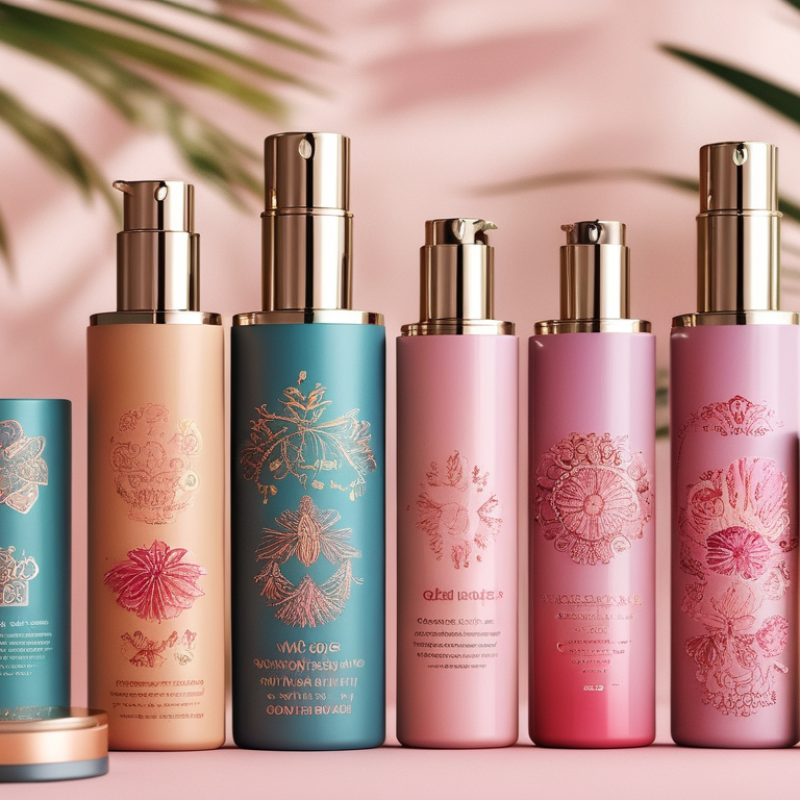
In the beauty industry, first impressions matter greatly. The packaging design of a product can catch a consumer's eye. A well-designed package communicates quality and sets a tone for what’s inside. The visual appeal is often the deciding factor for consumers. If it looks attractive, they will likely pick it up.
Tips: Use colors that evoke feelings. Research shows certain colors can create emotional connections. Choose materials that reflect your brand values. Sustainable packaging can attract environmentally conscious buyers. Texture also plays a role. A soft-touch finish can invite customers to engage.
It’s important to remember that packaging is about more than just looks. It conveys the essence of your brand. Sometimes, brands prioritize aesthetics over functionality. It’s essential to avoid overly complicated designs that confuse users. Strive for simplicity while maintaining uniqueness. The right balance can enhance the overall product experience and resonate with potential buyers.
Packaging design plays a vital role in the beauty industry. Colors and shapes can evoke emotions and influence purchasing decisions. For instance, vibrant colors may attract a younger audience. Meanwhile, muted tones can appeal to a more mature demographic.
Shapes also convey messages. A sleek, modern bottle often suggests luxury. In contrast, round shapes may evoke feelings of friendliness and warmth. When consumers see these designs, they make quick judgments. Those judgments impact their feelings toward the product.
Some brands overlook the importance of consistency in packaging. Inconsistencies can confuse customers. It’s crucial to maintain a balance between creativity and clarity. This balance can define a brand's identity. Thoughtful design must align with consumer expectations. The psychological effects of colors and shapes can make or break a product’s success. Without careful consideration, brands risk losing potential customers.
In recent years, sustainability has become a pivotal focus in the beauty industry. A staggering 70% of consumers now prefer brands that prioritize eco-friendly packaging. This shift is reshaping how beauty products are developed and presented. Many brands are experimenting with biodegradable materials, reducing plastic usage, and promoting refillable options. These strategies not only appeal to environmentally-conscious consumers but also enhance brand loyalty.
Reports indicate that almost 80% of beauty industry stakeholders are integrating sustainable practices into their packaging decisions. This trend highlights a collective awareness of environmental impact. Yet, challenges remain. Finding materials that are both sustainable and visually appealing can be difficult. Brands often struggle to balance aesthetics with eco-friendliness. Clear communication about sustainability claims is also crucial, as misinformation can damage consumer trust.
Additionally, market research shows that 50% of consumers actively research packaging before making a purchase. They seek transparency regarding production and sourcing. This level of scrutiny necessitates that companies not only adopt sustainable practices but also effectively communicate their efforts. As the industry evolves, continuous improvement in packaging design is essential. Embracing sustainability is no longer optional; it’s a vital component of modern beauty branding.
| Packaging Material | Sustainability Rating | Consumer Preference (%) | Biodegradability (%) |
|---|---|---|---|
| Recycled Paper | High | 45 | 100 |
| Glass | Medium | 30 | 100 |
| Bioplastics | High | 25 | 80 |
| Aluminum | Medium | 20 | 100 |
| Plastic | Low | 10 | 5 |
In the beauty industry, packaging design serves as a visual introduction to a brand. Effective packaging conveys the essence of a product. It establishes an emotional connection with consumers. When the design reflects quality and innovation, it captures attention on crowded shelves. Unique patterns or eco-friendly materials can set a brand apart.
A well-thought-out design acts as a silent salesperson. It communicates the brand's values and appeals to target demographics. Colors, shapes, and fonts work together to create a memorable impression. These elements can evoke trust. However, overlooking the importance of these details can lead to missed opportunities. Brands sometimes rush this process. The result? A packaging that fails to connect.
Yet, it's crucial to reflect on how packaging can limit creativity. A strong visual identity might clash with functionality. The challenge lies in balancing aesthetic appeal with practicality. Sometimes, over-designing can confuse consumers. Striking the right balance ensures that packaging not only attracts but also informs. Ultimately, effective packaging creates a cohesive brand experience that fosters loyalty.
Packaging design plays a vital role in the beauty industry. It is not just about looking good. Functionality is key. A well-designed package protects the product and ensures that users can easily open it. Think about a tube that dispenses just the right amount of cream. This prevents spills and waste.
User experience goes beyond functionality. The texture and feel of packaging matter. A smooth, luxurious finish can elevate the entire experience. Consumers often gauge quality through how products feel in their hands. However, not all designs meet these expectations. Some packaging can be overly complicated, making usage frustrating. Ideally, packaging should be intuitive and user-friendly.
Moreover, sustainability is becoming increasingly important in packaging design. Customers want eco-friendly options. Yet, sometimes, sustainable materials don’t perform as well. This poses a dilemma for brands. Balancing aesthetics, usability, and environmental responsibility remains a challenge. Perfecting this balance requires ongoing reflection and innovation.
: Packaging design catches consumer attention. It can influence purchasing decisions significantly.
Certain colors evoke feelings. Vibrant colors attract younger audiences, while muted tones appeal to older customers.
Shapes convey messages. Sleek shapes suggest luxury, while round shapes feel friendly and warm.
Inconsistent packaging can confuse customers. This confusion may affect their perception and trust in the brand.
Packaging must protect the product. It should also ensure users can easily open and use it without frustration.
Texture influences perceived quality. A smooth finish can enhance the overall user experience and satisfaction.
Many consumers prefer eco-friendly options. Brands must balance sustainability with product performance and aesthetics.
Complicated designs can frustrate users. They may deter customers from making a purchase, leading to lost sales.
Brands struggle to find the right balance between design, usability, and environmental responsibility.
Not all designs succeed. Some may fail to be intuitive, requiring brands to continually reflect and improve.
Packaging design plays a pivotal role in the beauty industry, primarily because first impressions are crucial. The visual appeal of beauty products can greatly influence consumer choices; thus, effective packaging can attract potential buyers at a glance. Additionally, the psychological impact of colors and shapes can trigger emotional responses, enhancing the desirability of products.
Sustainability trends are also important as consumers become more eco-conscious, prompting brands to adopt environmentally friendly packaging solutions. Furthermore, packaging serves as a core component of brand identity, aiding in recognition and differentiation in a crowded market. Lastly, functionality and user experience are essential; well-designed packaging not only protects the product but also enhances usability, contributing to overall customer satisfaction. This underscores why packaging design is important in the beauty industry, as it intertwines aesthetics, emotional engagement, sustainability, brand identity, and practicality.

Aurelia Glass