In the competitive world of cosmetics, packaging is crucial. It's not just about holding products; it's about creating a statement. Eye-catching cosmetic packaging can set a new brand apart from its competitors. Many brands struggle with how to design cosmetic packaging for a new brand. The right packaging can evoke emotions and attract customers at first glance.
Successful packaging reflects brand values. It should tell a story and resonate with the target audience. Think about colors, materials, and shapes. Each element plays a role in perception. Imperfections in design can often catch attention, inviting customers to take a closer look. However, it’s crucial to balance uniqueness with practicality.
Moreover, inconsistent branding can confuse consumers. Taking time to reflect on your brand's essence is essential. Clear design principles help maintain focus. Consider how the packaging will be displayed in stores or online. Remember, the goal is not just to sell a product, but to create an unforgettable experience.
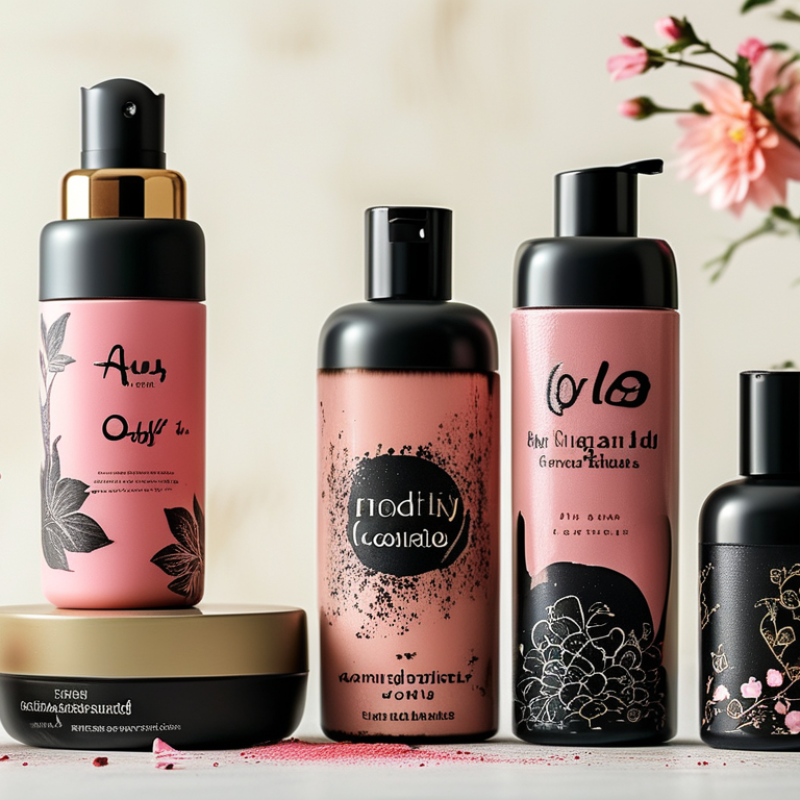
Cosmetic packaging plays a crucial role in shaping a brand's identity. Research indicates that 72% of consumers believe packaging design influences their purchasing decisions. Eye-catching designs attract attention on crowded shelves. However, it can also lead to pitfalls. Overly complex packaging may confuse customers, detracting from the product's perceived value.
When developing packaging, brands should focus on storytelling. Simple, relatable narratives resonate more with consumers. A recent survey showed that 40% of buyers prefer brands that align with their values. Incorporating eco-friendly materials can enhance brand authenticity. Yet, some brands struggle to maintain a balance between aesthetics and functionality.
Moreover, packaging must reflect the product quality directly. Using high-quality materials can elevate perceptions. Still, brands often face budget constraints that limit this quality. Balancing cost and quality is essential, but challenging. Thoughtful design and material choices can reinforce a brand’s image and attract loyal customers.
Creating eye-catching cosmetic packaging is essential for standing out in a saturated market. Research indicates that packaging design can influence consumer purchasing decisions by up to 70%. A study by Packaging Strategies highlights that unique visual elements, such as color and typography, play significant roles in consumers' perceptions of product quality. Bright colors tend to attract attention, while elegant designs can convey sophistication.
Materials are equally important. Sustainable packaging is increasingly favored, with 52% of consumers willing to pay more for eco-friendly options. Incorporating innovative textures and finishes can enhance tactile experience, making products more memorable. However, brands must balance between creativity and clarity. Overly complex designs may confuse consumers and dilute brand identity. A cohesive look that reflects brand values and product effectiveness can foster trust and loyalty.
Moreover, packaging must be functional. It should protect the product while providing an effortless user experience. Poorly designed dispensers may frustrate users and lead to negative associations. Continuous testing and gathering customer feedback can identify areas for improvement, allowing brands to refine their approach and stay relevant in a constantly evolving market.
Creating cosmetic packaging that stands out requires a careful balance of visual appeal and functionality. Consumers are drawn to attractive designs, but practicality also plays a crucial role. This dual focus can enhance user experience while establishing brand loyalty.
Visual appeal often sets the first impression. Bold colors, unique shapes, and intricate designs can captivate attention. However, packaging must also serve its purpose. Consider how your product is used. Does the packaging protect its contents? Is it easy to open? When aesthetics overshadow functionality, consumers may feel let down.
Tips for striking this balance include conducting surveys. Gather insights on your target audience's preferences. Understand their desire for visually stunning designs alongside functional features. Experiment with prototypes. By testing various designs, you can find the perfect combination that meets consumer expectations.
Reflect on current design trends. Simplicity often resonates well. Clean lines and minimalistic designs can enhance a product’s appeal. But be cautious; oversimplification might render your brand forgettable. Always strive for memorable yet practical packaging solutions.
The demand for sustainable packaging solutions is growing in the cosmetic industry. Consumers are more conscious of the environmental impact of their purchases. Eco-friendly packaging can enhance brand loyalty and appeal to a larger audience. Using biodegradable or recyclable materials contributes to reducing waste.
Many brands struggle to find effective sustainable options. It's essential to balance aesthetics with environmental responsibility. Some packaging materials may not have the same visual appeal as traditional plastics. However, creative designs can compensate for this. Brands that use glass, paper, or plant-based plastics tell a story of commitment to the planet.
Innovative printing techniques also play a significant role. Water-based inks and minimalistic designs can reduce plastic consumption. Brands need to reflect on how they package their products. Not every attempt at sustainability is a success. Finding the right materials may take time. Continuous learning and adaptation are crucial for the industry's future.
The cosmetic industry is highly competitive. Effective packaging can elevate a brand's image, boost sales, and create an emotional connection with consumers. For instance, according to a report by Research and Markets, 72% of consumers say packaging design influences their purchasing decisions. This emphasizes the need for brands to invest in eye-catching designs that resonate with their target audience.
Successful brands often utilize sustainable materials, vibrant colors, and unique shapes. A case study on a leading brand showed that eco-friendly packaging increased sales by 30% within a year. Consumers are increasingly drawn to brands that prioritize sustainability. This strategy not only enhances brand loyalty but also addresses growing environmental concerns.
Moreover, brands can struggle with consistency in their packaging. A mismatch between the product and its packaging can confuse consumers. For example, using minimalist design for a luxury product can lead to dissonance. Reflecting on packaging choices can create stronger brand coherence. It's crucial to balance aesthetic appeal with functional aspects, such as ease of use and product protection. The challenge lies in evolving consumer preferences, which require ongoing innovation.
: Both aspects matter. Attractive designs capture attention, but functionality ensures usability.
Conduct surveys to understand what your audience values in designs and functionality.
Simplicity and minimalism often attract consumers, but avoid being too simplistic.
Eco-friendly packaging appeals to conscious consumers and enhances brand loyalty.
Options include biodegradable materials, glass, paper, and plant-based plastics.
Creative designs can elevate the visual appeal of sustainable materials.
Techniques like water-based inks can help reduce plastic use and enhance design.
Maintaining consistency between packaging design and product type can be challenging.
Eye-catching designs that resonate with target audiences can enhance consumer relationships.
Not every sustainable approach works. Continuous adaptation and learning are necessary.
Creating eye-catching cosmetic packaging is crucial for establishing a brand’s identity in a competitive market. Understanding the significance of packaging involves recognizing how it influences consumer perceptions and preferences. Key elements such as color, typography, and materials play a vital role in designing effective packaging that balances visual appeal with functionality. Brands must also consider consumer preferences for sustainable packaging solutions, reflecting the growing demand for environmentally friendly products.
When exploring how to design cosmetic packaging for a new brand, it's essential to analyze successful case studies to draw insights from existing strategies. A combination of aesthetic innovation and practical usability can help differentiate a brand in a crowded industry. By focusing on these aspects, new brands can create packaging that not only attracts attention but also resonates with consumers, fostering brand loyalty and enhancing overall market presence.

Aurelia Glass