What Makes Cosmetic Packaging Look Premium and Attractive?

Time:2026-05-13 Author:Liam
0%

The appearance of cosmetic packaging plays a crucial role in perceptions of quality. When shoppers browse through beauty products, the packaging often influences their purchase decisions. What makes cosmetic packaging look premium? It goes beyond the outer appearance. Materials, designs, and functionalities are essential elements.

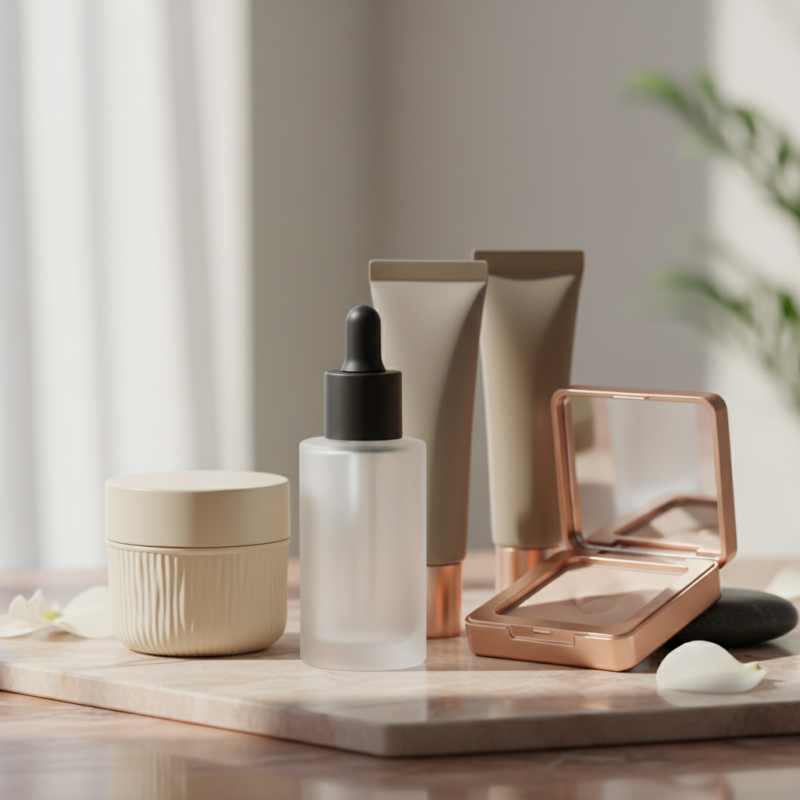
Premium packaging often features high-quality materials. For example, frosted glass or biodegradable plant-based plastics create an elegant look. Unique shapes and textures can evoke a sense of luxury, while simple designs often feel straightforward and accessible. However, aesthetic value must align with usability. Packaging that is difficult to open or not user-friendly can undermine its premium perception.

Brand storytelling also matters in cosmetic packaging. A well-crafted narrative can elevate the brand experience. Yet, brands occasionally miss the mark, focusing too much on appearance and neglecting practicality. Balancing these aspects is essential for creating packaging that resonates with consumers. In a market flooded with options, striking visuals coupled with thoughtful design is key.
What Makes Cosmetic Packaging Look Premium and Attractive?

Factors Influencing Perceived Premium Quality in Cosmetic Packaging

Cosmetic packaging plays a crucial role in how consumers perceive quality. Key factors influencing this perception are material choice, design simplicity, and color schemes. Premium materials like glass or metal often suggest higher value. Consumers subconsciously associate these materials with luxury. On the other hand, flimsy plastic can diminish the product’s appeal.

Design should be sleek and user-friendly. Overly complicated designs can confuse consumers and appear cheap. Elegant typography and well-thought-out spacing contribute to a refined look. Additionally, colors evoke emotions and set the tone for the product. Soft, muted tones often convey sophistication, while bright colors attract attention.

Tip: Always test your packaging design with real users. Their feedback can reveal if the packaging truly feels premium.

Another vital aspect is sustainability. Eco-friendly packaging is increasingly desirable. Consumers are becoming more conscious of environmental impact. Using recyclable materials can enhance the perceived value of your product.

Tip: Consider integrating storytelling into your packaging. Authentic narratives about sustainability or craftsmanship can engage consumers deeply.

The Role of Material Selection in Attractive Cosmetic Packaging Design

The choice of materials significantly affects the attractiveness of cosmetic packaging. High-quality materials like glass and metal often create a sense of luxury. In contrast, plastic can sometimes feel less premium. The texture and finish of the packaging also matter. A matte finish can evoke sophistication, while a glossy surface might feel youthful and energetic.

Designers should consider how the material will interact with the product inside. Some ingredients react negatively with certain plastics. This could lead to reduced product efficacy. Therefore, testing is essential to ensure compatibility.

Another aspect to think about is sustainability. Eco-friendly materials can attract a conscientious audience. However, achieving a balance between aesthetics and environmental responsibility can be challenging. It involves continuous experimentation and innovation. Materials that look good but lack sustainability credentials may not impress modern consumers.

Color Psychology and Its Impact on Cosmetic Packaging Appeal

Color psychology plays a significant role in cosmetic packaging. Colors evoke emotions and influence consumer choices. For example, blue often represents trust and calmness. When used in packaging, it may attract customers seeking reliability in a product. Bright colors, like pink and orange, can signify fun and energy, appealing to a younger audience.

However, the impact of color is not universal. Different cultures interpret colors differently. While red may symbolize good fortune in some cultures, it can represent danger in others. This complexity can lead to miscommunications in branding. Brands must research their target markets thoroughly to avoid mistakes.

The choice of colors also needs to match the product's essence. An organic skincare line might benefit from earthy tones. These colors can convey a sense of authenticity and connection to nature. Yet, brands often grapple with finding the right balance. Selecting colors that look attractive while also aligning with brand values is challenging. It requires careful thought and a willingness to adapt based on consumer feedback.

Trends in Eco-Friendly Packaging: Enhancing Brand Image and Attractiveness

The demand for eco-friendly packaging is rising. Consumers are increasingly seeking sustainable options. This shift is driven by growing environmental awareness. A report by Nielsen indicates that 73% of global consumers feel sustainable packaging is essential. Brands can enhance their image by adopting eco-friendly materials. This not only attracts eco-conscious customers but also boosts overall appeal.

Tips for creating attractive eco-friendly packaging:

  • Use recyclable materials.
  • Consider biodegradable or compostable options.
  • Adopting a minimalist design can highlight the product while reducing waste.
  • Interestingly, attractive packaging can influence purchase decisions.
In fact, 66% of consumers are willing to pay more for sustainable packaging.

However, challenges exist. It can be hard to find packaging that meets both aesthetic and environmental standards. Some brands might compromise design for sustainability or vice versa. It’s vital to strike a balance. Attractive packaging should reflect a brand's values while appealing to consumers' preferences for sustainability. Regular evaluation and innovation in design are necessary.

Consumer Behavior Insights: How Packaging Affects Purchase Decisions

Cosmetic packaging plays a crucial role in consumer decisions. Attractive packaging can create a connection between the product and the buyer. The visual appeal draws attention on crowded shelves. Colors, shapes, and textures influence how consumers perceive quality. Premium packaging often feels luxurious and promises a better experience.

Tips: Consider using matte finishes or unique shapes. These elements can make products stand out. Rich colors, like deep blues or golds, often suggest sophistication. Simplicity can also convey elegance. Overly busy designs might confuse or overwhelm buyers.

Research shows that 70% of purchase choices are based on packaging. Consumers often make quick judgments in stores. Reflect on the materials used. Lightweight, flimsy packaging might signal inadequacy. Eco-friendly solutions can attract environmentally conscious buyers. However, the balance between aesthetics and functionality is essential. Always remember that imperfections in design can lead to deeper reflections on product value.

FAQS

: What materials are most attractive for cosmetic packaging?

: High-quality materials like glass and metal create a sense of luxury. Plastic can feel less premium.

How does texture affect packaging appeal?

Texture matters greatly. A matte finish can seem sophisticated. A glossy surface feels youthful and energetic.

Why is material testing important in cosmetic packaging?

Some ingredients can react negatively with certain materials. Testing ensures compatibility and maintains product efficacy.

What role does sustainability play in packaging design?

Eco-friendly materials attract conscious consumers. Balancing aesthetics with environmental responsibility can be challenging.

How does color impact consumer choices in packaging?

Colors evoke emotions. For example, blue represents trust, while bright colors signify fun and energy.

Why is cultural interpretation of color important?

Different cultures see colors differently. This can impact branding and customer understanding, leading to potential miscommunications.

What are some tips for eco-friendly packaging design?

Use recyclable materials, consider biodegradable options, and embrace minimalist designs to reduce waste and highlight the product.

What challenges do brands face with eco-friendly packaging?

It can be hard to find packaging that is both aesthetically pleasing and environmentally friendly. Striking a balance is crucial.

How can attractive packaging influence purchases?

Attractive packaging can greatly influence purchase decisions. Many consumers are willing to pay more for sustainable options.

What’s a common struggle for brands regarding color selection?

Brands often struggle to find colors that are both attractive and aligned with their values. Adapting to consumer feedback is essential.

Conclusion

In exploring what makes cosmetic packaging look premium, several key factors come into play, shaping consumers' perceptions of quality. The selection of materials significantly influences the attractiveness of packaging design; high-quality and innovative materials can elevate a product's status. Additionally, color psychology plays a crucial role, as specific colors can evoke emotions and enhance appeal, making the product more desirable.

Furthermore, current trends in eco-friendly packaging are reshaping the market, not only by appealing to environmentally conscious consumers but also by enhancing brand image. Understanding consumer behavior insights reveals that packaging significantly impacts purchase decisions, often serving as the first interaction a customer has with a product. Collectively, these elements contribute to the premium perception of cosmetic packaging, ultimately influencing consumer choices and brand loyalty.

Liam

Liam

Liam is a dedicated marketing professional with a profound expertise in the industry, where he excels at highlighting the unique advantages of our core products. With a keen understanding of market trends and consumer needs, Liam frequently updates our company’s professional blog, providing......