Cosmetic packaging plays a crucial role in determining how cosmetic packaging affects product shelf life. Effective packaging preserves the integrity and quality of beauty products. It acts as a barrier, protecting formulations from light, air, and moisture. These factors can significantly alter the effectiveness of ingredients over time.
Many cosmetics contain active ingredients that can degrade. For example, antioxidants may lose their potency if exposed to air. Furthermore, inadequate sealing can allow harmful bacteria to thrive. This highlights the importance of proper packaging design. It should ensure longevity while maintaining product effectiveness.
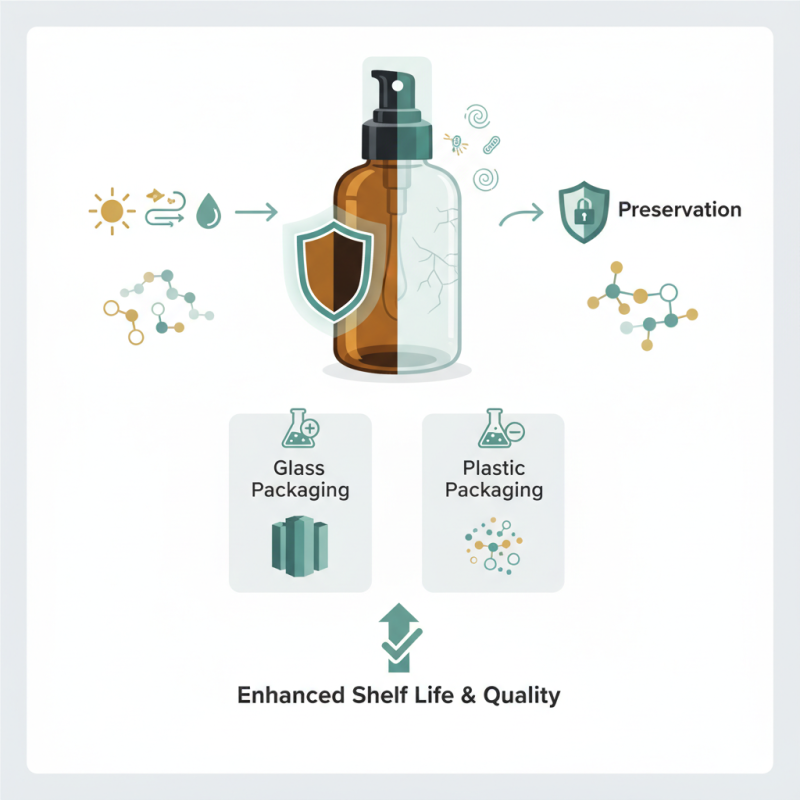
However, not all packaging is created equal. Some materials may interact negatively with formulations. Plastic, while lightweight, can leach chemicals into products. Glass, although heavier, is often more stable and offers better protection. Brands must carefully consider the trade-offs involved in their packaging choices. Ultimately, the right approach can enhance shelf life and maintain product quality, ensuring a better experience for consumers.
Understanding the Role of Cosmetic Packaging in Shelf Life
Cosmetic packaging plays a crucial role in determining product shelf life. Various materials can influence how long a product maintains its effectiveness. For instance, UV-resistant containers can prevent light degradation. Airtight packaging helps reduce exposure to oxygen. Both factors are essential for preserving active ingredients in cosmetics.
Moreover, consumers often overlook the impact of packaging design. A well-sealed jar may appear visually appealing, yet it may not protect its content adequately. Some materials can interact negatively with the product, leading to degradation. It's vital for manufacturers to choose packaging wisely, balancing aesthetics with functionality.
Sustainability also adds a layer of complexity. Eco-friendly materials might not always offer the same barrier properties. This shift can challenge traditional notions of shelf life in cosmetics. Brands need to adapt, ensuring that their choices do not compromise product integrity. Reflecting on these aspects can lead to better solutions for both consumers and manufacturers.
Types of Cosmetic Packaging and Their Functions
Cosmetic packaging plays a crucial role in preserving product integrity. Each type serves specific functions that can affect shelf life. For instance, air-tight containers limit oxidation. This is vital for creams and serums, which can degrade quickly.
Glass bottles are popular due to their non-reactive nature. They help maintain the freshness of sensitive ingredients. However, glass can be heavy, leading to transportation issues.
Plastic packaging, while lightweight, may not provide the same barrier against air and light. This can impact the longevity of the product.
Pump dispensers are efficient yet complex. They can minimize contamination, which is essential for hygiene. On the downside, if not designed well, they might lead to waste.
Users may struggle to extract the last remnants of product. It's a delicate balance between function and sustainability, reflecting ongoing challenges in cosmetic packaging design.
Factors Affecting Shelf Life in Different Packaging Materials
Cosmetic packaging plays a crucial role in determining product shelf life. Various factors influence this, including the type of materials used and their barrier properties. For instance, studies show that products in airtight packaging can last up to 50% longer than those in standard containers. This is particularly relevant for sensitive ingredients, which can degrade quickly when exposed to air and light.
Different materials offer unique advantages. Glass containers provide excellent protection against light and air, while plastics are more susceptible to permeation. According to research from the Journal of Cosmetic Science, nearly 30% of products in plastic packaging experience reduced shelf life due to oxidation. Aluminum packaging, on the other hand, can offer a balance, but is often less visually appealing.
Another factor is sustainability. While biodegradable packaging creates less waste, it may compromise shelf life. A report by the Cosmetics Europe association indicates that many consumers are willing to trade some shelf life for sustainability. This presents a challenge. Brands need to innovate packaging solutions that extend shelf life without sacrificing environmental responsibility. Creating packaging that balances performance and sustainability is a continuous journey for the cosmetic industry.
The Impact of Packaging Design on Product Longevity
The design of cosmetic packaging plays a crucial role in determining the longevity of the product inside. Effective packaging protects against environmental factors, such as light, air, and moisture. These elements can degrade formulations over time, leading to a shorter shelf life.
For instance, opaque containers may shield light-sensitive ingredients, while airtight seals prevent oxidation.
However, the aesthetics of packaging can sometimes overshadow its functional advantages. Attractive designs are essential for consumer appeal, but they should not compromise practicality. Many consumers overlook the importance of packaging’s role in product preservation. This oversight can lead to disappointment when products do not perform as expected. Certain packaging materials may also react negatively with the contents, introducing unwanted changes.
In striving for innovation, brands often experiment with new materials and designs. Not all experimentation yields positive results. Sometimes, the focus solely on visual impact can neglect the science of preservation. Striking the right balance between beauty and functionality is always a challenge in cosmetics. The conversation around packaging needs to continue, highlighting both its benefits and limitations in product longevity.
Best Practices for Extending Shelf Life Through Packaging Choices
Cosmetic packaging plays a critical role in maintaining product integrity and enhancing shelf life. Proper sealing techniques, such as air-tight containers, limit exposure to light and moisture. These factors can degrade ingredients and reduce efficacy over time. Innovative materials, like UV-blocking plastics, help protect delicate formulations from harmful rays.
Additionally, the choice of dispensing system can influence product lifespan. Airless pumps minimize contamination and exposure to air, prolonging effectiveness. Simple design changes can make a significant difference. For instance, using darker colors for packaging can prevent light-related damage.
On the other hand, not all packaging choices are optimal. Some materials may interact negatively with the product, leading to alterations in texture or fragrance. It’s essential to continually assess packaging options. Keeping pace with new research and feedback will ensure that products remain effective and appealing to consumers. Thoughtfully designed packaging not only enhances shelf life but also elevates the user experience.
How Does Cosmetic Packaging Impact Product Shelf Life? - Best Practices for Extending Shelf Life Through Packaging Choices
| Packaging Type |
Material |
Impact on Shelf Life |
Best Practices |
| Airless Pump |
Plastic & Glass |
Prevents oxidation and contamination |
Use for serums and creams |
| Tube |
Plastic or Laminated Foil |
Reduces exposure to air and light |
Ideal for creams and gels |
| Jar |
Glass or Plastic |
Higher risk of contamination |
Use with a spatula to avoid contamination |
| Dropper Bottle |
Glass |
Good for sensitive formulations |
Ensure proper sealing |
| Aerosol Can |
Metal |
Protects from oxygen and pollution |
Ideal for sprays and mists |
FAQS
: Cosmetic packaging preserves product integrity and affects shelf life.
Air-tight containers limit oxidation, helping creams and serums last longer.
Glass bottles maintain freshness and are non-reactive, but they can be heavy.
Plastic may not provide strong barriers against air and light, reducing shelf life.
Pump dispensers minimize contamination, but can lead to product waste if poorly designed.
Biodegradable packaging reduces waste but may also lower product shelf life.
It protects formulations from harmful light exposure, extending effectiveness.
Some materials may negatively interact with products, affecting texture or fragrance.
While it protects against light, it may not appeal to all consumers.
They must innovate packaging solutions that extend shelf life while being eco-friendly.
Conclusion
Cosmetic packaging plays a crucial role in determining how cosmetic packaging affects product shelf life. The selection of materials and design directly influences the preservation of the product's quality, preventing contamination and degradation. Different types of packaging, ranging from air-tight containers to UV-protective designs, serve specific functions that can either enhance or diminish the longevity of cosmetics.
Several factors, including exposure to light, air, and moisture, significantly impact shelf life across various packaging materials. Additionally, optimal packaging design can enhance user experience while contributing to product durability. By following best practices in packaging choices, manufacturers can effectively extend the shelf life of their products, ensuring they retain their efficacy and appeal to consumers over time.

 Aurelia Glass