How to Choose Eco Friendly Cosmetic Packaging for Your Brand?

Time:2026-06-19 Author:Ethan
0%

As the beauty industry evolves, sustainability becomes paramount. Brands must consider their environmental impact. How to choose eco friendly cosmetic packaging is a pressing question for many. With consumers increasingly valuing green practices, eco-friendly packaging is both an ethical choice and a marketing strategy.

Selecting the right packaging is not merely about aesthetics. It requires understanding materials, sourcing, and production processes. Biodegradable, recycled, and recyclable materials are key considerations. Each option has its pros and cons, which can sometimes be confusing. For example, some biodegradable materials may not break down effectively in landfills, leading to unintended consequences.

Moreover, aligning your packaging with brand values is crucial. Consumers appreciate transparency and authenticity. It's important to convey your commitment to sustainability in your packaging choices. A well-informed choice enhances brand reputation but can present challenges. Brands may struggle with higher costs or limited availability of sustainable materials. Balancing these factors is essential for a responsible and successful brand.
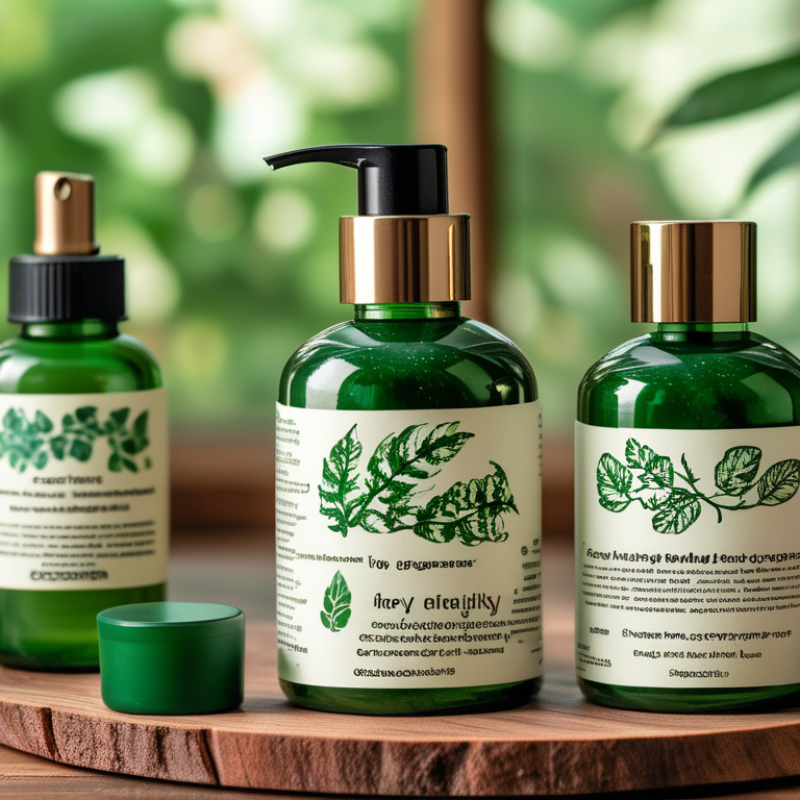
How to Choose Eco Friendly Cosmetic Packaging for Your Brand?

Understanding the Importance of Eco-Friendly Cosmetic Packaging

Choosing eco-friendly cosmetic packaging is crucial today. Many brands overlook its significance. However, this choice affects the environment and consumers' perceptions. Sustainable packaging attracts eco-conscious customers. It shows that a brand values the planet. The right materials can enhance brand integrity.

Using biodegradable, recycled, or recyclable materials is essential. These options reduce waste and carbon footprint. Consider using glass containers or post-consumer recycled plastics. These materials offer a sustainable alternative while maintaining product safety and quality. It's a challenge to balance aesthetics and sustainability. Finding innovative designs can be a way forward.

Yet, some brands face difficulties in sourcing eco-friendly materials. Costs can be higher compared to conventional options. Consumers expect beautiful packaging, and this can complicate decisions. Brands must reflect on their values. Are they prioritizing short-term gains or long-term sustainability? The choices made today influence the future of the cosmetics industry.

Eco-Friendly Cosmetic Packaging Choices

Evaluating Materials: Sustainable Options for Cosmetic Packaging

When selecting materials for eco-friendly cosmetic packaging, brands must weigh various sustainable options. Bioplastics derived from corn starch or sugarcane present alternatives to traditional plastics. A recent report from the Ellen MacArthur Foundation states that bioplastics can reduce carbon emissions by up to 80% compared to conventional plastic sources. This data highlights the potential impact of choosing greener options.

Post-consumer recycled (PCR) materials are another viable choice. In fact, using PCR plastic can lower greenhouse gas emissions by about 30% per ton, according to the Recycling Partnership. However, some brands still hesitate to adopt PCR materials, citing inconsistent quality or availability. Understanding these trade-offs is crucial for responsible decision-making.

Glass and metal remain popular for luxury cosmetics due to their recyclability and premium feel. While glass boasts a recycling rate of approximately 80%, it can be heavier and breakable. Brands need to acknowledge these challenges in their sustainability efforts. Ultimately, the journey toward eco-friendly packaging involves a blend of innovation, dedication, and a commitment to quality.

Design Considerations for Eco-Friendly Packaging

When choosing eco-friendly cosmetic packaging, design considerations play a vital role. Packaging should reflect sustainable values and appeal to environmentally conscious consumers. Mindful choices can enhance brand identity. Materials like recycled paper, biodegradable plastics, or glass can be effective. Each option has its pros and cons. Some materials are appealing but may lack durability.

Tips: Consider the lifecycle of your packaging. Think about sourcing materials locally to reduce carbon footprints. Balance aesthetics with functionality. Lightweight packaging can save on shipping costs and lower emissions.

Next, consider your production process. Eco-friendly doesn’t mean less attractive designs. Innovative techniques can create beautiful, sustainable packaging. However, transparency is essential. Communicate your sustainable efforts clearly. Be open about challenges faced, like increased costs or sourcing difficulties. This honesty can build trust with consumers, making your brand more relatable.

Certifications and Standards for Eco-Friendly Packaging

When choosing eco-friendly packaging, understanding certifications and standards is essential. Recognized labels can guide you. Look for certifications like FSC (Forest Stewardship Council) or Cradle to Cradle. These show that materials are sourced responsibly or designed for sustainability.

Evaluate the standards that align with your brand values. Some certifications focus on recyclability, while others emphasize biodegradability. It’s vital to know what each certification means. Misunderstanding these can lead to misleading choices. Even packaging claiming to be eco-friendly may not meet stringent criteria.

Ensure your packaging aligns with environmental goals. Regular audits of suppliers can help maintain these standards. Reflect on the materials you choose. Are they truly sustainable? Sometimes, eco-friendly options appear at a higher cost. Assessing long-term benefits versus short-term savings is crucial. Each packaging choice impacts the planet.

Implementing a Recycling Program for Packaging Waste

Implementing an effective recycling program for packaging waste is crucial for eco-friendly cosmetics brands. Brands can take strides toward sustainability by making informed packaging choices. A recycling program promotes brand loyalty while reducing environmental impact.

One easy tip is to clearly label recyclable materials on your packaging. Customers appreciate knowing how to properly dispose of their items. Use eye-catching graphics to attract attention. Communicating your commitment to sustainability helps build trust.

Consider partnering with local recycling centers. This partnership can streamline the recycling process for customers. Educating consumers about recycling options not only raises awareness but also fosters community involvement. It’s essential to keep improving these programs based on consumer feedback.

Remember, there's no one-size-fits-all solution. Explore various options to find the most effective strategies for your specific brand. Evaluate the impact of your recycling program regularly. This reflection will help you keep your commitment to sustainability strong.

FAQS

: Why is eco-friendly cosmetic packaging important?

: It impacts the environment and how customers view the brand. Sustainable options attract eco-conscious buyers.

What materials are recommended for eco-friendly packaging?

Biodegradable, recycled, or recyclable materials like glass and post-consumer plastics are ideal choices.

What challenges do brands face with eco-friendly packaging?

Sourcing materials can be difficult. Costs may be higher than traditional packaging options.

How can brands balance aesthetics and sustainability?

Innovative designs can help. However, the materials used may affect durability and appearance.

Why is transparency important in sustainable packaging?

Clear communication about sustainability efforts builds trust with consumers. It shows honesty about challenges.

How can packaging design reflect sustainable values?

The design should appeal to environmentally conscious consumers and highlight the brand's commitment to sustainability.

What should brands consider during the packaging lifecycle?

Consider sourcing materials locally, functionality, and lightweight designs to reduce carbon footprints.

How can brands attract eco-conscious customers?

By using materials that reflect sustainable practices, brands can foster positive perceptions among consumers.

What is a potential downside to beautiful packaging?

Attractive designs may come at the cost of durability or eco-friendliness.

What long-term impact do today's packaging decisions have?

These choices shape the future of the cosmetics industry, influencing sustainability efforts.

Conclusion

When considering how to choose eco friendly cosmetic packaging, it's essential to understand its significance in promoting sustainability within the beauty industry. Eco-friendly packaging not only reduces environmental impact but also resonates with consumers seeking responsible choices. Evaluating materials is a crucial step, as there are various sustainable options available, including recycled plastics, glass, and biodegradable substances.

Design considerations also play a pivotal role in creating effective eco-friendly packaging, as it should attract consumers while remaining functional. Additionally, certifications and standards help ensure that packaging meets eco-friendly criteria, building trust with your audience. Implementing a recycling program for packaging waste further enhances sustainability efforts and demonstrates a brand's commitment to environmental responsibility.

Ethan

Ethan

Ethan is a seasoned marketing professional with a deep expertise in our company's innovative product line. With a passion for sharing knowledge and insights, he takes the lead in regularly updating our corporate blog, where he explores industry trends, product features, and effective marketing......