Light can quietly weaken skincare formulas before consumers notice any change. Ultraviolet and visible light may affect retinoids, vitamin C, botanical extracts, and fragrant oils. The right container reduces exposure during filling, shipping, bathroom storage, and daily use. So, what packaging protects skincare from light damage? The answer depends on the formula, closure, material, and expected shelf life.
China’s packaging industry offers practical choices for brands seeking stronger light protection. Amber glass bottles create a familiar pharmacy-style barrier and support premium positioning. Opaque airless pumps limit light, oxygen, and repeated hand contact. Aluminum tubes provide excellent coverage for creams and sensitive treatments. Violet glass, coated plastic, UV-blocking PET, and multilayer laminate tubes offer different balances of cost, weight, recyclability, and design freedom. Tinted droppers and covered jars can also help, although their protection varies by shade and construction.
Material choice must follow evidence, not appearance alone. A dark bottle may still transmit harmful wavelengths through thin walls. Testing should examine the complete package, including the cap, pump, label gaps, and dispensing opening. In practical evaluations, brands can compare color, odor, texture, and active strength after controlled light exposure. Small details matter.
No package is perfect. Some fashionable finishes protect poorly. Opaque materials may also hide contamination or formula changes. Reliable decisions require compatibility testing, stability studies, supplier documentation, and clear storage guidance. This guide reviews ten light-protecting skincare packaging types made or widely supplied in China, while recognizing that formula sensitivity remains the final decision point.
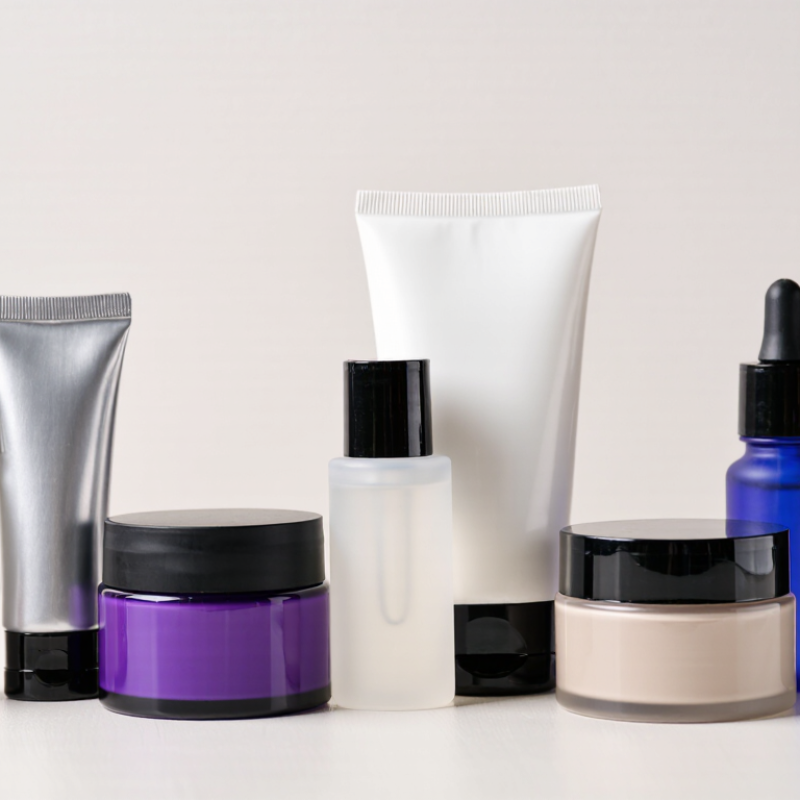
What Is Light-Protecting Skincare Packaging?
Light-protecting skincare packaging limits exposure to ultraviolet and visible light. This matters because light can weaken antioxidants, botanical extracts, retinoid-based formulas, and some natural colorants. A package may look attractive, yet offer little real protection. Color alone is not proof.
Common options include amber glass jars, opaque airless pumps, aluminum tubes, UV-blocking PET bottles, and multilayer plastic containers. Cartons and sleeves add another barrier during storage and transport.
Airless pumps also reduce repeated air contact, which can support formula stability. However, packaging performance depends on wall thickness, closure design, filling volume, and the product’s formula.
Ask suppliers for light-transmission data and compatibility testing. Practical tests can compare samples under controlled light, heat, and time conditions. Check whether the pump dispenses evenly after repeated use. Observe changes in scent, color, texture, and viscosity. Small details matter.
A dark container is not always enough. Transparent areas, oversized windows, and loose caps can create weak points. I have found that packaging decisions sometimes favor appearance over protection. That choice deserves review. Reliable development teams should match the container with the formula, expected shelf life, retail lighting, and consumer habits. Even a well-tested package may perform differently after rough shipping or prolonged bathroom exposure.
How Light Exposure Affects Skincare Product Stability
China Top 10 Light Protecting Skincare Packaging Types?
Light exposure can quietly reduce skincare stability. Ultraviolet and visible light may break down retinol, vitamin C, botanical extracts, and some preservatives. Oxidation can change color, odor, texture, and performance. A clear serum may slowly turn yellow near a sunny bathroom window. The formula may still look acceptable, but its active strength could have declined.
Common light-protective options include amber glass, cobalt-blue glass, opaque glass, UV-coated glass, aluminum bottles, aluminum tubes, opaque PP containers, HDPE bottles, airless pumps, and folding cartons. Each material offers different protection. Amber glass usually blocks more light than clear glass. Opaque plastic can reduce exposure, but its barrier depends on pigment, thickness, and formulation. Airless pumps also limit repeated contact with air. They do not automatically stop light damage.
A practical packaging assessment should examine the entire system. Check the container, closure, label coverage, carton, and filling headspace. Laboratory testing under controlled light and temperature can reveal changes that appearance cannot. Real storage trials are useful too. Place samples near retail lighting, not only in darkness. A darker package is not always safer. Some coatings crack, labels leave exposed areas, and pumps may allow light through small gaps. These details are easy to miss. Packaging decisions should match the formula, expected shelf life, transport conditions, and opening frequency. Weak evidence remains weak, even when the package looks premium.
China Top 10 Light-Protecting Skincare Packaging Types
Opaque aluminum, metalized, and pigmented plastic packages generally provide the strongest protection against UV and visible light. Amber glass and amber PET reduce high-energy light exposure, while clear glass and clear PET provide the least protection. The 1–10 ratings are comparative packaging benchmarks; actual performance depends on material thickness, color, coating, closure design, and the product formula.
Top 10 Light-Protecting Skincare Packaging Types
Top 10 Light-Protecting Skincare Packaging Types
Light can weaken retinoids, vitamin C, botanical extracts, and fragrant oils. Packaging selection should match the formula’s sensitivity and expected shelf life. In production work, I assess both material performance and daily handling. No package blocks every wavelength.
The ten practical types include amber glass bottles, cobalt glass bottles, opaque glass jars, aluminum tubes, aluminum bottles, UV-coated PET bottles, opaque HDPE containers, multilayer laminate tubes, metallized pouches, and opaque airless pump bottles. Amber and cobalt glass offer strong protection for liquid serums. Aluminum tubes reduce light exposure and limit air contact during use. Multilayer tubes work well for creams, but their inner layers must suit the formula. Airless systems help reduce repeated oxygen exposure.
Small details matter. A dark bottle with a clear cap still admits light around the closure. A carton adds protection, but it may tear during shipping. UV coatings can improve PET performance, yet coating thickness and testing remain important. I prefer packaging trials under controlled light, heat, and humidity. Formula compatibility also needs checking. Some active ingredients react with metal surfaces or elastomer seals.
There is no perfect format.
A heavy glass jar may protect light well but increase transport weight. An opaque pump can be convenient, although the remaining product is harder to inspect. Packaging decisions should balance protection, usability, recyclability, and manufacturing consistency. My own view is cautious: attractive color is not proof of reliable light protection. Supplier test data and stability results deserve more trust.
How to Choose Packaging for Different Skincare Formulas
China Top 10 Light Protecting Skincare Packaging Types? The better question is how to match packaging with each formula.
Light protection starts with the formula’s weakest ingredient. Retinol, vitamin C, botanical extracts, and some essential oils can change under ultraviolet exposure. ICH Q1B photostability guidance recommends testing light-sensitive products under controlled illumination. This is a useful professional benchmark, although skincare formulas are not identical to medicines.
Packaging Protection
Clear glass suits stable, light-tolerant products. Amber glass, opaque plastic, and aluminum tubes provide stronger protection.
Formula & Dosing
Airless pumps also reduce oxygen contact and dosing errors. Smithers’ 2024 packaging outlook places barrier performance among the key drivers of packaging innovation. That matters more than fashionable shapes.
Tips:
Match the pack to stability data, not appearance. Use opaque or amber containers for photosensitive serums. Choose airless packaging for oxidation-prone creams. For thick balms, tubes may waste less product than pumps.
Check compatibility after heat, light, and freeze-thaw testing. The container can look premium and still fail. I have seen attractive clear packs weaken a formula on a sunny retail shelf. That mistake is easy to repeat.
A 2023 Cosmetics Europe sustainability report also stresses material efficiency and recyclability, so protection should not create unnecessary packaging layers. Sometimes, a simple tube performs better than a complex bottle. Teams should test the real formula, closure, label, and shipping conditions together.
Key Evaluation Criteria for Light-Protective Packaging
China Top 10 Light Protecting Skincare Packaging Types?
Key Evaluation Criteria for Light-Protective Packaging
Light-protective skincare packaging must be judged by performance, not appearance.
A dark bottle may reduce light, yet its pump, shoulder, or inner coating can remain vulnerable. Key criteria include
light transmission, material stability, closure integrity, and formula compatibility.
Ask for transmission data across ultraviolet and visible wavelengths. Looks opaque. Amber glass, aluminum tubes, opaque plastic, and airless systems can perform differently. Their results depend on wall thickness, pigments, seams, and dispensing design.
For products containing retinoids, botanical extracts, or sensitive oils, testing should reflect real storage. Expose filled packages to controlled light, heat, and humidity. Compare color, odor, viscosity, active content, and pump output afterward. A reliable evaluation also checks drop resistance and repeated opening. Consumers may leave a serum near a bathroom window. That detail matters. In China, manufacturers can request documented test methods and independent laboratory reports before approving a supplier. Verify sample IDs, test dates, and batch consistency.
Material compatibility deserves equal attention.
Some formulas absorb plastic components, while aggressive solvents can weaken seals. Check extractables, leakage, corrosion, and torque after aging. I would not select the darkest container automatically. It may increase cost, reduce recyclability, or hide filling defects. The honest weakness is that accelerated testing cannot perfectly predict every household. Recheck samples during pilot production and after transport simulation.
Good packaging protects the formula without creating a new problem.
Conclusion
Light-protecting skincare packaging is designed to reduce exposure to ultraviolet, visible, and other wavelengths that may weaken sensitive ingredients. Light can accelerate oxidation, discoloration, odor changes, and loss of performance, especially in formulas containing antioxidants, botanical extracts, retinoid alternatives, or brightening ingredients. This article explains what packaging protects skincare from light damage and introduces ten practical options, including opaque tubes, airless pumps, tinted glass containers, coated plastic bottles, aluminum tubes, multilayer sachets, and UV-filtering jars.
It also compares how different packaging formats suit creams, serums, oils, emulsions, and water-based formulas. Key evaluation criteria include light-blocking efficiency, compatibility with the formula, oxygen and moisture resistance, dispensing control, product visibility, durability, usability, sustainability, and manufacturing cost. By considering both formulation sensitivity and packaging performance, skincare developers can select containers that help preserve product stability, quality, and consumer confidence throughout storage and use.

 Aurelia Glass