Best Ways to Test Cosmetic Packaging Compatibility Effectively?

Time:2026-06-01 Author:Ethan
0%

In the cosmetic industry, ensuring packaging compatibility is crucial. It impacts product stability, safety, and consumer satisfaction. Companies often wonder how to test cosmetic packaging compatibility effectively. Understanding this process is essential for any brand aiming for long-term success in the market.

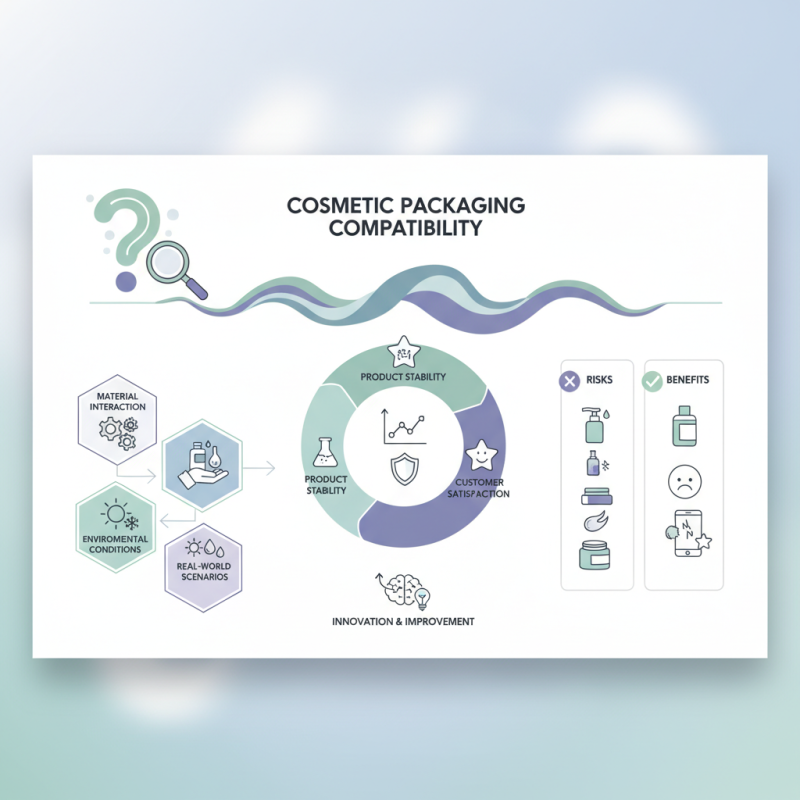
Testing compatibility involves various factors, including material interactions and environmental conditions. Brands frequently overlook the importance of real-world scenarios. It’s not just about the packaging looks; it also matters how it interacts with the cosmetic formula. Failing to address compatibility can lead to negative customer experiences. That's why methodical testing is vital.

Reliable testing methods can prevent costly errors. Prior experience shows that inconsistent results can affect brand reputation. Therefore, investing time and resources into understanding packaging compatibility can benefit brands significantly. Companies must constantly evolve and analyze their approaches to packaging. Reassessing common practices can lead to improvements and innovation in the cosmetics field.
Best Ways to Test Cosmetic Packaging Compatibility Effectively?

Best Practices for Assessing Cosmetic Packaging Material Compatibility

Assessing cosmetic packaging material compatibility is crucial for product safety and stability. Packaging that reacts negatively with the formulation can lead to contamination, reduced efficacy, or even harmful interactions. A report by Smithers Pira highlights that nearly 30% of cosmetic product failures are attributed to packaging issues. This underscores the importance of thorough testing and evaluation.

To effectively determine compatibility, several factors must be considered. Performing migration tests can reveal how ingredients might leach into or from packaging materials. Utilizing techniques like gas chromatography and mass spectrometry helps identify any chemical interactions. These methods are vital in evaluating the long-term effects of a packaging material on a formulation. In addition to chemical stability, physical tests should assess barrier properties to ensure protection against environmental factors.

It's essential to remain vigilant about testing methods. Some common assumptions can lead to oversight. For instance, many brands might overlook the implications of temperature changes, which can significantly impact packaging integrity. An internal assessment may uncover variability in material performance under different conditions. Engaging third-party laboratories for unbiased evaluations can enhance the reliability of compatibility assessments. This collaboration ensures that brands make informed decisions, minimizing risks to both consumers and products.

Understanding the Importance of Stability Testing in Cosmetic Packaging

Stability testing is essential in cosmetic packaging. It assesses how well the packaging protects the product over time. According to a study by the Research Institute for Fragrance Materials, improper packaging can lead to a 30% increase in product degradation. This loss affects both efficacy and customer trust.

Cosmetic products often contain volatile ingredients. A mismatch between packaging materials and these components can cause leaching or contamination. In fact, a report from the Cosmetic Ingredient Review found that up to 40% of cosmetic products fail stability tests due to packaging incompatibility. Testing should involve real-time and accelerated methods to simulate varying environmental conditions. Using both techniques provides a comprehensive understanding of how packaging behaves over time.

Yet, many firms underestimate the importance of thorough stability testing. This oversight can result in significant financial losses. Visual inspection and performance tests are not enough. Metrics like pH levels, color stability, and odor evaluation are crucial. Companies must prioritize stability testing to ensure effective packaging solutions that foster consumer confidence.

Best Ways to Test Cosmetic Packaging Compatibility

Key Methods for Evaluating Ingredient Interaction with Packaging Materials

Evaluating ingredient interaction with packaging materials is essential in cosmetic formulation. Different ingredients can react differently with various packaging types. For example, essential oils may degrade plastic over time, impacting product quality. It’s crucial to conduct compatibility tests to understand these interactions better.

One effective method is the accelerated aging test. By subjecting products to extreme temperatures and light exposure, manufacturers can predict how ingredients will react over time. Additionally, conducting migration studies helps identify if substances from the packaging leach into the product. This analysis can help detect potential changes in color, odor, or texture.

Another approach is sensory evaluation. Test teams can monitor the impact of packaging on a product's smell or feel. Ultimately, understanding these interactions can lead to better formulations. However, not all tests yield clear results. Sometimes, discrepancies arise, reflecting the complexity of materials and formulations. This calls for ongoing research and adaptive testing strategies in the ever-evolving landscape of cosmetic packaging.

Utilizing Accelerated Aging Tests for Cosmetic Packaging Assessment

Accelerated aging tests play a crucial role in assessing cosmetic packaging compatibility. These tests simulate long-term storage conditions in a shortened timeframe. They help predict how packaging materials will react to their contents over time. By exposing packaging to temperature fluctuations and humidity, companies can observe changes in performance and appearance.

One tip is to conduct these tests under varied conditions. Use heat, light, and humidity to create a realistic scenario. This diversity helps identify potential problems early. Also, make sure to analyze the interaction between the product and the packaging material. Look for signs of leakage or degradation.

It’s essential to document every observation meticulously. Consistency in testing conditions is key to obtaining reliable data. This way, companies can make informed decisions about their packaging. Be aware that not all reactions will be positive. Some materials may not perform as expected. Always be prepared to re-evaluate your packaging choices based on test results.

Regulatory Standards and Compliance for Cosmetic Packaging Compatibility

Cosmetic packaging compatibility is essential for product safety and efficacy. Regulatory standards guide manufacturers, ensuring materials used do not interact negatively with formulations. Compliance with these standards protects consumers and maintains brand integrity.

When testing packaging compatibility, consider the specific regulations related to ingredients and materials. Conduct stability tests that evaluate how packaging interacts with cosmetics. Different materials can cause reactions, some predictable and others unexpected. For example, certain plastics may leach chemicals when in contact with oils or solvents.

Tip: Always maintain thorough documentation of your tests. This accountability can aid in compliance checks and prevent future issues.

Engaging with third-party labs can enhance credibility. These experts ensure your packaging meets key industry standards. Sometimes, testing reveals compatibility challenges that require adjustments. Addressing issues early saves time and resources later.

Tip: Stay informed on regulatory changes. Standards evolve, and what's compliant today may not be tomorrow. Regular training and updates are crucial.

FAQS

: Why is assessing cosmetic packaging compatibility important?

: It ensures product safety and stability, preventing contamination and harmful interactions with formulations.

What percentage of cosmetic product failures is due to packaging issues?

Nearly 30% of failures are attributed to packaging compatibility problems.

What tests can determine packaging material compatibility?

Migration tests, gas chromatography, and mass spectrometry reveal possible chemical interactions.

How do temperature changes affect packaging materials?

Temperature fluctuations can compromise packaging integrity, leading to unforeseen consequences.

Why should brands use third-party laboratories for compatibility assessments?

They provide unbiased evaluations that enhance reliability and minimize risks to consumers.

What should manufacturers document during testing?

Thorough documentation of tests aids in compliance checks and reduces future issues.

How can certain plastics negatively interact with cosmetics?

Some plastics may leach chemicals when they come into contact with oils or solvents.

How often should brands update their knowledge on regulatory standards?

Regular updates are crucial, as standards can change, potentially affecting compliance.

What happens if compatibility issues are not addressed early?

Ignoring issues can lead to costly recalls and damage to brand integrity later.

What is the role of stability tests in assessing packaging?

Stability tests evaluate how packaging materials interact with cosmetics over time.

Conclusion

Effectively testing cosmetic packaging compatibility is crucial for ensuring product stability and safety. Best practices include assessing the compatibility of materials used in packaging with the ingredients inside, which prevents potential interactions that could affect product quality. Furthermore, stability testing plays a vital role in understanding how different components behave over time, ensuring that the packaging can withstand various conditions without compromising the integrity of the cosmetic formulation.

Key methods for evaluating ingredient interactions include using accelerated aging tests, which simulate long-term storage conditions to identify potential issues early on. Additionally, being aware of regulatory standards and compliance is essential for cosmetic manufacturers to guarantee that their products meet safety and effectiveness requirements. By following these strategies on how to test cosmetic packaging compatibility, companies can enhance product reliability and consumer trust.

Ethan

Ethan

Ethan is a seasoned marketing professional with a deep expertise in our company's innovative product line. With a passion for sharing knowledge and insights, he takes the lead in regularly updating our corporate blog, where he explores industry trends, product features, and effective marketing......