The world of skincare is evolving rapidly. As consumers become more aware, the importance of product safety is paramount. One major concern is how to prevent skincare contamination in packaging. Contamination can lead to product spoilage and skin irritation.
Many brands overlook the details in their packaging. The materials used can affect product stability. It’s easy to focus solely on aesthetics, forgetting about functionality. Unsanitized containers can introduce harmful bacteria. This insight is not just theoretical; professionals emphasize the need for improved practices. They suggest choosing air-tight containers to minimize exposure.
Education plays a key role in this aspect. Users often don’t realize how quickly contamination can occur. There are simple steps everyone can take, like checking expiration dates and storing products properly. Understanding these factors can enhance safety. Ultimately, remaining vigilant is crucial. Everyone deserves safe skincare products.
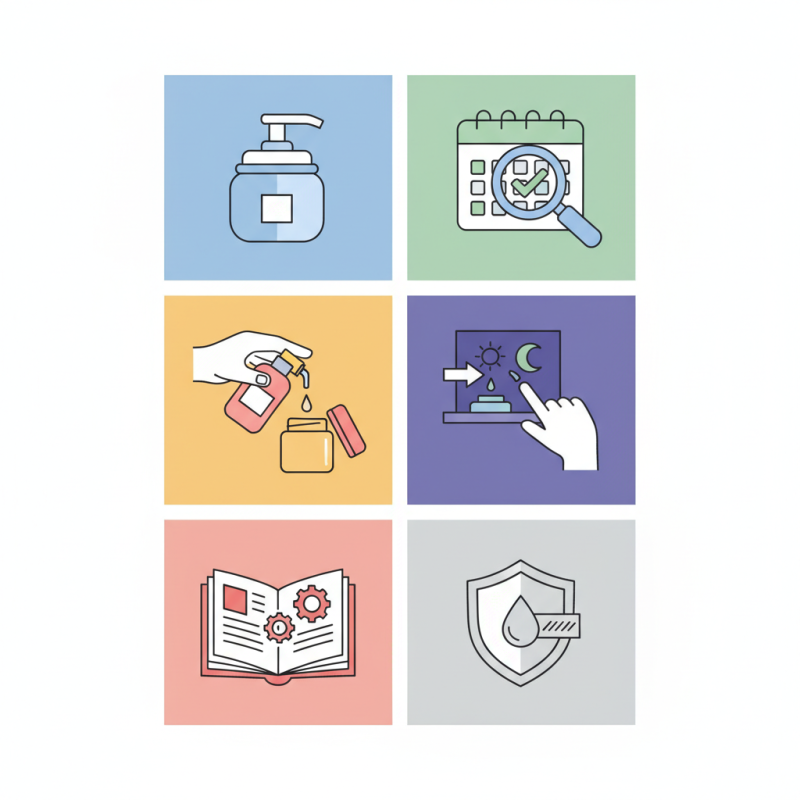
Skincare contamination is a critical issue. Contaminants can lead to various skin problems, including acne and irritation. When products are not packaged correctly, they can become breeding grounds for bacteria and mold. Many people overlook this aspect, assuming all products are safe to use.
Several factors contribute to contamination. The use of jars allows fingers to introduce bacteria into the product. Air exposure can lead to oxidation, reducing efficacy and possibly introducing harmful substances. Moreover, the materials of the packaging itself can leach unwanted chemicals into the skincare formulas, impacting their integrity.
Understanding these risks is essential for maintaining healthy skin. Regularly inspecting packaging for damage can be helpful. Choosing airless or pump dispensers can reduce contamination risks. Awareness of sustainability is also essential here. There’s a delicate balance between protecting our skin and protecting the environment. Adopting safer packaging can enhance product reliability without harming the planet.
In skincare, contamination can lead to severe issues. Common contaminants include bacteria, mold, and pollutants that compromise product quality. According to a study published in the *Journal of Dermatological Science*, over 30% of tested skincare products showed microbial contamination, indicating a significant risk to consumers.
To address these risks, understanding the sources of contamination is crucial. Poor packaging design, frequent exposure to air, and unclean applicators can introduce harmful elements. Research from the *Cosmetic Ingredient Review* highlights that even unopened products can harbor bacteria if not stored correctly. This raises serious questions about hygiene in skincare.
Tips to prevent contamination include using air-tight containers to limit exposure. Avoiding jars can also minimize the risk of transfer from fingers. Always wash hands before applying products. Regularly inspect your products for any changes in appearance or smell. Trust your senses; they play a vital role in identifying spoilage. Remember, skincare doesn't have to be perfect, but awareness can improve safety.
This chart displays the percentage of various common contaminants found in skincare product packaging. Understanding these contaminants can help in preventing skincare contamination.
Effective packaging design is crucial for preventing skincare contamination. Choosing the right materials is the first step. Air-tight containers limit exposure to bacteria. Opt for opaque packaging to shield products from harmful UV rays. This simple change can enhance the product's longevity and integrity.
Incorporating pumps or droppers can minimize direct contact. This design keeps fingers away from the formula, thus reducing contamination risks. Always ensure that these mechanisms are easy to use. Complexity can lead to improper use, which may compromise the product's safety. Labels should be clear and visible, conveying important safety instructions.
Regular audits of packaging processes can reveal hidden issues. Outdated designs may not meet current safety standards. It's essential to remain informed about advancements in packaging technology. This ensures your products stay safe for users. Allowing for consumer feedback can also highlight overlooked contamination risks. Embracing imperfections and learning from them fosters better practices in the long run.
| Tip | Description | Recommended Material | Design Feature |
|---|---|---|---|
| Use Airless Pumps | Minimize air exposure to reduce oxidation and contamination. | PETG, Acrylic | One-way valve mechanism |
| Integrated Dropper | Precision application with minimal contact to the product. | Glass, Polypropylene | Sterile packaging |
| Sealable Pouches | Offers a barrier to outside elements and can be resealed. | Foil, Plastic | Zipper lock feature |
| Glass Jars with UV Protection | Protects contents from light contamination. | Frosted Glass | Opaque design |
| Child-Resistant Caps | Prevents unauthorized access to sensitive products. | Plastic | Tamper-evident seals |
Maintaining hygiene while using skincare products is crucial for preventing contamination. One simple step is to wash your hands before reaching for any product. Clean hands help minimize the transfer of bacteria. Many forget this basic rule, assuming that a quick rinse is enough. However, thorough washing with soap for at least 20 seconds is recommended.
Another important habit is to avoid touching the product with your fingers. Instead, use a clean spatula or cotton swab. This practice drastically reduces contamination risk. It’s easy to fall into the habit of dipping fingers directly into jars. Yet, every dip can introduce bacteria or environmental pollutants.
Lastly, always ensure that the product container is tightly sealed after use. Leaving it open even for a moment can expose it to dust and airborne bacteria. It's a small action, but it can make a significant difference in product longevity and safety. We often undervalue these seemingly minor details. By focusing on these hygiene habits, we can enhance both our skincare experience and the effectiveness of our products.
Choosing the right ingredients is crucial for minimizing contamination in skincare products. Studies show that over 50% of skincare users are concerned about product safety. Formulating with biodegradable preservatives can help address these worries. Using milder and effective alternatives reduces the risk of irritation and microbial growth.
Formulations that contain a higher percentage of active ingredients may require careful packaging. Essential oils and botanical extracts can enhance efficacy but also invite contamination. An industry report reveals that 40% of consumers have experienced skin issues from contaminated products. This highlights the importance of choosing formulations that prioritize skin health and safety.
Utilizing airless packaging can protect delicate formulations. However, it's not foolproof. Some products might still suffer from exposure to air and light. It's essential for formulators to balance innovation with safety. Conducting thorough stability testing is critical, but many brands overlook this process. Ensuring product integrity from formulation to shelf is non-negotiable for skincare success.
: Common contaminants include bacteria, mold, and pollutants that harm product quality.
Over 30% of tested products showed microbial contamination, posing significant risks to users.
Poor packaging, air exposure, and unclean applicators are major sources of contamination.
Store products in air-tight containers and keep them away from moisture and heat.
Washing hands helps minimize bacterial transfer, which many people often forget to do thoroughly.
Yes, touching products with fingers increases the risk of introducing pollution and bacteria.
Always seal containers tightly after use to prevent exposure to dust and airborne bacteria.
Not necessarily. Many formulations can still be at risk despite using preservatives and good practices.
Airless packaging can help, but it’s not foolproof and still requires careful handling.
Trust your senses. Changes in smell or appearance can indicate spoilage and potential contamination.
Skincare contamination poses significant risks to both product efficacy and user safety, making it crucial to understand its sources and impacts. Common contaminants found in skincare products include microorganisms, dirt, and chemical residues, all of which can compromise formulations. To effectively address how to prevent skincare contamination in packaging, it's essential to adopt best practices in packaging design, such as using airless containers and tamper-proof seals that minimize exposure to environmental pollutants.
In addition to packaging, maintaining proper hygiene habits during product use is vital in reducing contamination risks. Users should practice clean hand techniques, avoid touching the product directly, and ensure that tools, like applicators, are sanitized. Furthermore, choosing the right ingredients that are inherently less prone to contamination can enhance product stability. By implementing these strategies, both manufacturers and consumers can work collaboratively to safeguard the integrity of skincare products.

Aurelia Glass