10 Best Tips on How to Store Skincare Products Properly?

Time:2026-08-15 Author:Sienna
0%

Storing skincare products properly is crucial for maintaining their efficacy. According to a 2022 report by the International Journal of Cosmetic Science, improper storage can lead to a decrease in product potency by up to 25%. With the rising number of skincare enthusiasts, understanding how to store skincare products properly has become essential.

Expert Dr. Laura Smith, a noted dermatologist, emphasizes, "The way you store your skincare products can significantly impact their performance and shelf life." Skincare products often contain delicate active ingredients that require specific conditions to remain effective. Exposure to heat, light, and humidity can deteriorate these ingredients, rendering them less effective or even harmful.

Many people overlook these storage requirements. For instance, a common mistake is keeping products in the bathroom. The high humidity can degrade formulations more quickly. Refrigerating certain items, like serums, can enhance their effectiveness but may not be suitable for all products. Learning how to store skincare products properly can truly make a difference in your skincare routine, prolonging the lifecycle of these valuable items while ensuring they deliver the intended results.
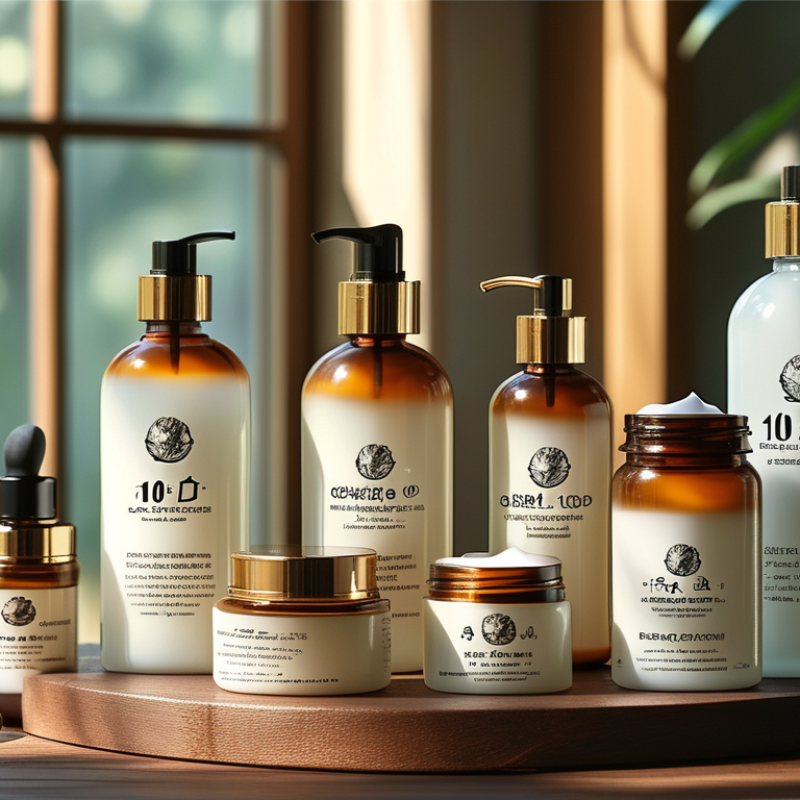
10 Best Tips on How to Store Skincare Products Properly?

Best Practices for Storing Skincare Products: Optimal Temperature Ranges

When it comes to skincare, storing products properly is essential. The optimal temperature range for most skincare items is between 15°C to 25°C (59°F to 77°F). This helps maintain their effectiveness and longevity. Products exposed to extreme temperatures can break down, leading to reduced efficacy. For example, a cream left in a hot car may separate, losing its moisture-locking ability.

Humidity also plays a critical role. Avoid bathroom storage, where steam can alter product integrity. Instead, opt for a cool, dark place. A drawer or a dedicated cool shelf works well. It's not ideal to keep products near windows or in direct sunlight. The UV rays can compromise the active ingredients.

Over time, even seemingly stable products can show signs of instability. A change in color or texture may occur, indicating a need for review. Always check the expiration dates and be mindful of how each item feels and smells. If something seems off, it's better to err on the side of caution. Regularly assessing your stash will help ensure you’re using safe and effective products.

Understanding Expiration Dates: The Importance of Product Shelf Life

Understanding expiration dates is crucial in skincare. Many consumers overlook the shelf life of products. According to a study by the American Academy of Dermatology, expired skincare can lead to skin irritation and decreased effectiveness. Maintaining proper storage conditions is essential to prolong product life.

Keep skincare in a cool, dry place. Heat and humidity can accelerate deterioration. For instance, avoid storing products in the bathroom where steam can compromise integrity. Ensure that lids are tightly closed. This simple act can prevent contamination and oxidation, which can lead to product waste.

Periodically check for expiration dates. Many products are marked with “best before” indicators. A common misconception is that unopened products last indefinitely. In reality, a survey revealed that nearly 75% of consumers discard products due to uncertainty about their safety after expiration.

Educate yourself about the signs of spoilage. Changes in color, texture, or scent may indicate that a product is no longer effective. Trust your instincts: if something feels off, it’s better to err on the side of caution. Always prioritize your skin’s health over saving a product.

10 Best Tips on How to Store Skincare Products Properly

Tip Description Recommended Storage Conditions Shelf Life
1. Keep Away from Sunlight UV rays can degrade ingredients over time. Store in a cool, dark place. Usually 12-24 months after opening.
2. Avoid Humidity Moisture can encourage bacterial growth. Store in a dry location. Varies by product; check packaging.
3. Keep Containers Closed Limit exposure to air and bacteria. Ensure lids are tightly sealed after use. 12-36 months depending on the product.
4. Use a Refrigerator for Certain Products Cooling can extend shelf life of some products. Specific serums and masks. Check individual product guidelines.
5. Organize by Expiration Date Use the oldest products first. Maintain a first-in, first-out system. Varies based on product formulation.
6. Avoid Temperature Fluctuations Consistent temperatures keep products stable. Store in a room temperature location. Typically up to 24 months.
7. Store Away from Children Prevents accidental usage or spills. Out of reach in a secured cabinet. Check for childproof containers.
8. Avoid Direct Contact with Hands Using tools avoids contamination. Use spatulas for jar products. Shelf life can improve with care.
9. Check for Changes in Appearance or Smell Signs of spoilage include color or scent changes. Regularly inspect your products. Use immediately if anything changes.
10. Dispose of Expired Products Using expired products can cause skin issues. Follow local disposal guidelines. Use by date noted on packaging.

The Role of Light Exposure: How UV Rays Affect Skincare Efficacy

Light exposure significantly impacts skincare product efficacy. UV rays can degrade active ingredients, reducing their benefits. A study from the International Journal of Cosmetic Science shows that vitamin C, a common ingredient, loses effectiveness after just one week of direct sunlight exposure. This degradation leads to fewer antioxidant properties, which are crucial for skin health.

Proper storage of skincare products is essential. Keeping items in cool, dark places extends their shelf life. Even cabinet shelves exposed to light can harm products. For those who love natural sunlight, keeping products in opaque containers can help shield them from harmful rays. Unfortunately, many consumers overlook this detail, leading to diminished product potency.

It's crucial to be mindful of how we store skincare. Consider checking products regularly for changes. If a product changes color or smell, it may have been compromised. Regularly updating storage methods can make a significant difference in maintaining product integrity. Many users underestimate the role of light and often regret not protecting their investment in quality skincare.

Humidity and Air Quality: Ideal Conditions for Preserving Ingredients

Humidity and air quality play a crucial role in maintaining the effectiveness of skincare products. High humidity levels can lead to mold or bacteria growth in creams and serums. It’s essential to store products in a cool, dry environment. Avoid locations where moisture is prevalent, such as bathrooms. Instead, consider a stable climate-controlled room.

Air quality is equally important. Pollutants can degrade ingredients over time. Closed containers can help protect products from airborne contaminants. Ensure the lids are tightly sealed after use. Limited exposure to air can prolong the shelf life of your items. Additionally, consider investing in an air purifier to enhance the overall environment for your skincare.

Reflecting on these storage practices can help improve your skincare routine. Sometimes we overlook simple factors like humidity. A small moisture-absorbing container can make a significant difference. Keeping an eye on air quality can reveal hidden issues we often ignore. These small changes can ultimately preserve the integrity of your cherished products.

Packaging Matters: Choosing Containers that Protect Formulas from Contamination

Choosing the right packaging for skincare products is crucial for maintaining their integrity. Containers can significantly influence a formula's longevity and effectiveness. For example, air-tight pumps and jars can limit exposure to air and light, preventing oxidation. This is especially important for formulas containing active ingredients like vitamin C, which are sensitive to environmental changes.

Glass vs. plastic is another consideration. Glass containers are non-reactive and can keep products stable, but they can be heavy and more prone to breaking. On the other hand, certain plastics may leach harmful chemicals over time. It's essential to evaluate both options carefully. The materials should ideally protect the product while being user-friendly. Lightweight options might seem convenient, but the long-term health of the product should come first.

Inadequate packaging can lead to contamination, which affects the user’s skin. Open jars invite bacteria, while poor sealing can alter a product's consistency. Heed the signs of spoilage, such as changes in color or odor. Reflection on these factors can lead to better decisions in product storage. Prioritizing protective containers will not only preserve the product but also ensure a safe experience for your skin.

FAQS

: Why are expiration dates important for skincare products?

: Expiration dates indicate when products may lose effectiveness or cause skin irritation. It's vital to check them regularly.

How should I store my skincare products?

Store them in a cool, dry place, away from humidity and heat. Bathrooms are often unsuitable due to steam.

Can unopened skincare products expire?

Yes, unopened products can still expire. Many consumers discard them due to uncertainty about safety after expiration.

What signs indicate a skincare product has spoiled?

Changes in color, texture, or scent often signal spoilage. Trust your instincts if a product feels off.

What is the best type of packaging for skincare?

Air-tight containers help protect formulas from air and light. Glass is stable, but plastic can be more convenient.

How does poor packaging affect skincare products?

Inadequate packaging can lead to contamination, altering the product's effectiveness. Always choose protective containers.

What should I consider when choosing product containers?

Consider the material’s ability to protect the formula and its user-friendliness. Weigh convenience against product stability.

Is it safe to use products past their expiration date?

Generally no. Using expired products can harm your skin. It's safer to discard them, even if waste feels troubling.

How important is packaging in preserving skincare effectiveness?

Packaging is very important. Proper containers extend product life and maintain effectiveness, impacting your skincare experience.

What can I do if I'm unsure about a product's state?

If uncertain, it's wise to err on the side of caution and discard the product. Your skin's health is a priority.

Conclusion

In the quest for maintaining the integrity and efficacy of skincare products, understanding how to store skincare products properly is essential. Optimal temperature ranges play a crucial role; most products should be kept in a cool, dry environment to prevent degradation. Additionally, being mindful of expiration dates is vital, as the shelf life of ingredients can greatly affect their performance over time.

Light exposure is another critical factor that impacts skincare efficacy, with UV rays potentially leading to diminished effectiveness. Therefore, keeping products in opaque or UV-protective containers is advisable. Furthermore, humidity and air quality should be considered to create ideal conditions that preserve active ingredients. Lastly, choosing the right packaging can significantly reduce contamination risks, ensuring the longevity and safety of your skincare routine. Following these best practices can help maximize the benefits of your skincare investments.

Sienna

Sienna

Sienna is a skilled marketing professional with a deep expertise in our company’s core products and services. With a passion for innovation and detail, she plays a pivotal role in crafting insightful blog posts that not only highlight the unique features of our offerings but also provide valuable......