The organic skincare market has seen significant growth, with an estimated value of over $13 billion in 2021. This trend highlights the increasing consumer demand for natural and eco-friendly products. As brands strive to stand out, one critical question arises: what is the best packaging for organic skincare? Effective packaging is essential for product preservation, usability, and brand identity.
Research indicates that consumers are increasingly concerned about sustainability. In fact, a report by Nielsen states that 73% of millennials are willing to pay more for sustainable goods. This forces brands to rethink their packaging strategies. Traditional materials like plastics may not align with the eco-conscious ethos of organic skincare.
Innovative options such as biodegradable materials, glass, and recycled paper are gaining traction. These choices not only appeal to environmentally aware consumers but also enhance the perception of product quality. However, brands must consider cost, functionality, and shelf-life when selecting packaging. Striking the right balance can be challenging yet crucial for long-term success.
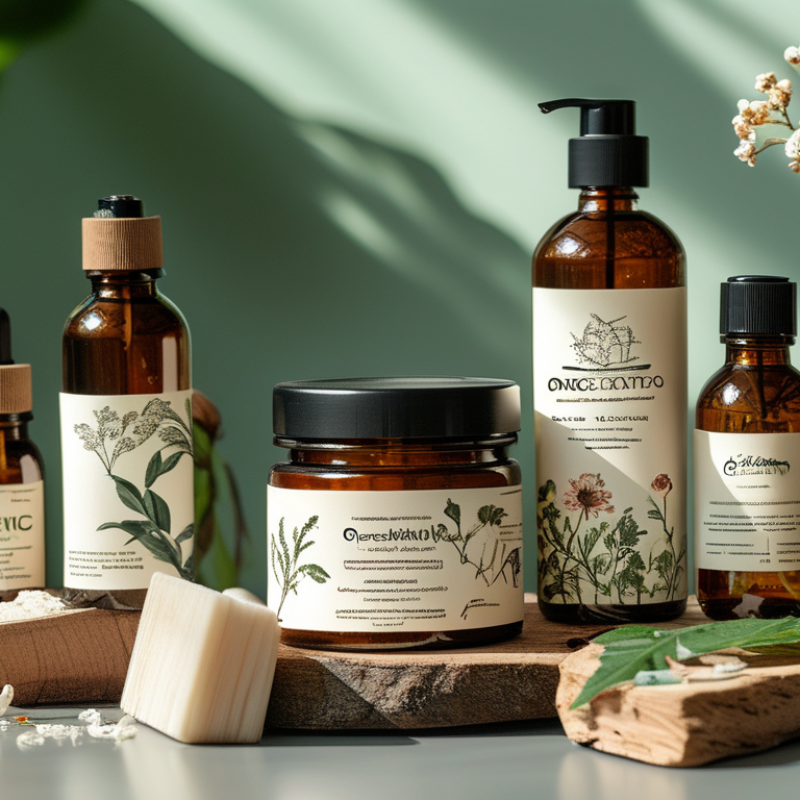
Sustainable Materials for Organic Skincare Packaging
Sustainable packaging is crucial for organic skincare products. As consumers grow more eco-conscious, brands seek sustainable materials. Biodegradable plastics and recycled paper offer excellent alternatives. These materials break down naturally, reducing landfill impact.
Glass is another popular option. It is recyclable and non-toxic. However, it can be heavy and fragile. Balancing aesthetics and functionality is essential for brands. Some companies explore plant-based materials like corn starch for jars and tubes. These are innovative but still in development.
Brands must continually assess their packaging choices. Not all sustainable options are perfect. For instance, some biodegradable materials require specific conditions to decompose. Consumers need education on proper disposal methods. The journey to completely sustainable packaging is ongoing, and there is always room for improvement.
Eco-Friendly Design Principles for Skincare Containers
When designing packaging for organic skincare products, eco-friendly principles are crucial. Recent reports highlight that 73% of consumers prefer sustainable packaging. This reflects a growing awareness of environmental impact. Using biodegradable materials can align with these consumer preferences.
Incorporating recycled materials into packaging design can also enhance sustainability. A study by Smithers Pira indicated that the global market for recycled packaging is expected to reach $500 billion by 2025. Choosing materials like glass or recycled plastic can reduce carbon footprints significantly.
Tip: Always prioritize transparency in sourcing. Share information about the materials used and their environmental benefits. This builds trust with consumers.
It's important to remember that not all eco-friendly options are created equal. Some biodegradable materials may not break down effectively in all environments. Regularly assess the environmental impact of your packaging to ensure it meets sustainability goals.
Tip: Consider innovative designs that minimize waste, like reusable containers. This is an effective way to appeal to eco-conscious customers.
Best Packaging Options for Organic Skincare Products
| Packaging Type |
Material |
Recyclability |
Sustainability |
Aesthetic Appeal |
| Glass Jars |
Borosilicate Glass |
Yes |
High |
Elegant & Premium |
| Biodegradable Plastic |
PLA (Polylactic Acid) |
Yes |
Moderate |
Modern & Functional |
| Aluminum Tubes |
Recycled Aluminum |
Yes |
High |
Sleek & Durable |
| Plantable Packaging |
Seed-Infused Paper |
Yes |
Very High |
Unique & Eco-Conscious |
| Recycled Cardboard Boxes |
Recycled Paperboard |
Yes |
High |
Simple & Natural |
The Role of Glass vs. Plastic in Organic Packaging
When it comes to packaging organic skincare products, glass and plastic each have unique advantages and drawbacks. Glass is often seen as the premium choice. It is recyclable and provides an excellent barrier against air and light. A report from the Sustainable Packaging Coalition indicates that glass containers have up to 90% lower carbon footprint over their lifecycle compared to plastic. This is a significant consideration for eco-conscious brands.
However, plastic remains prevalent in the industry due to its lightweight and shatterproof nature. While many believe that plastic is detrimental to the environment, advancements in biodegradable and recycled plastic options are emerging. According to a 2022 study published by Smithers Pira, demand for sustainable plastic packaging is projected to grow by over 20% in the next five years. This shift reflects evolving consumer preferences.
Both materials present challenges. Glass can be more expensive and heavier, increasing transportation costs. Plastic durability may come at the expense of consumer concerns over microplastics. Manufacturers face a complex decision regarding which material to use. Focusing solely on either material can miss the larger goal of sustainability. It’s crucial for brands to weigh their choices carefully, ensuring they meet both customer needs and environmental responsibilities.
Packaging Options for Organic Skincare Products
Innovative Packaging Solutions to Reduce Environmental Impact
The rise of organic skincare has prompted innovative packaging solutions. These options aim to reduce environmental impact while meeting consumer demand. According to a recent report, 70% of consumers prefer eco-friendly packaging. This trend is reshaping how products are presented and sold.
Using biodegradable materials is one effective approach. Bamboo, for example, offers a sustainable alternative to plastic. Compostable packaging made from plant-based materials also plays a vital role. Brands can use post-consumer recycled (PCR) plastics, effectively reducing waste. Yet, the industry still faces challenges. Many consumers remain unaware of the benefits of these materials.
Tips: Consider integrating refill options. They not only minimize waste but also attract eco-conscious customers. Educating consumers about proper disposal methods enhances sustainability. Collaborations with local recycling programs can also boost brand reputation.
Developing packaging that protects the product without excess material is crucial. It’s essential to balance aesthetics with sustainability. Striking this balance remains a challenge for many brands. The commitment to eco-friendly practices must keep evolving. Measuring the impact of packaging changes will guide future innovations.
Best Practices for Labeling Organic Skincare Products
When it comes to labeling organic skincare products, clarity and transparency are paramount.
Customers want to know what they are applying to their skin. Therefore, labels must provide clear ingredient lists. Simplicity in language helps to avoid confusion. It’s important to avoid jargon that may not be understood by the average consumer.
Tips: Keep your ingredient list detailed yet straightforward. Use common names instead of technical terms. Highlight key organic ingredients to attract buyers.
Certifications hold significant weight. A credible certification can enhance product trustworthiness. Make sure to display any organic certification logo prominently. It assures consumers of your product's quality and authenticity. Avoid overloading your label with too many logos, as this can confuse shoppers.
Tips: Limit the number of logos to the most important ones. Ensure they are easy to see and read.
Remember to include usage instructions and safety information. This not only helps with compliance but builds customer confidence. Consumers appreciate knowing how to use products correctly. A well-labeled product fosters loyalty and repeat purchases.
Mistakes can happen. Oversights in labeling may lead to customer complaints. Regular audits of your labels can help mitigate these issues. Stay proactive in making necessary adjustments.
Conclusion
When considering what is the best packaging for organic skincare, sustainable materials play a crucial role. Utilizing eco-friendly materials like glass, recycled paper, and biodegradable plastics can significantly reduce the environmental impact of skincare products. It's also essential to incorporate design principles that not only enhance the aesthetic appeal but also minimize waste and ensure product preservation.
The debate between glass and plastic packaging is critical, as both have their advantages and drawbacks in terms of recyclability and how they interact with organic ingredients. Additionally, innovative packaging solutions, such as refillable containers or compostable packaging, can lead the way toward more sustainable practices. Lastly, best practices in labeling can further promote organic products, ensuring transparency and encouraging eco-conscious consumer choices. By adhering to these principles, brands can foster a more sustainable future in the organic skincare industry.

 Aurelia Glass