In the world of luxury beauty brands, packaging plays a crucial role. It is not merely a container; it is an extension of the brand’s identity. Consumers expect elegance and sophistication. Thus, the question arises: what packaging is best for luxury beauty brands?
Luxury packaging must reflect the quality of the product inside. Materials chosen can greatly influence consumer perception. For instance, glass is often preferred over plastic, conveying both elegance and sustainability. Colors, textures, and shapes should resonate with the desired brand image. However, balancing aesthetic appeal and functionality is not always easy.
Some brands fail to meet consumer expectations due to poor design choices. Oversized packaging can feel wasteful; excessively minimalist designs can lack personality. Each decision should reflect the luxury ethos while remaining practical. Reflecting on these factors is essential for brands striving for authenticity and excellence in their packaging.
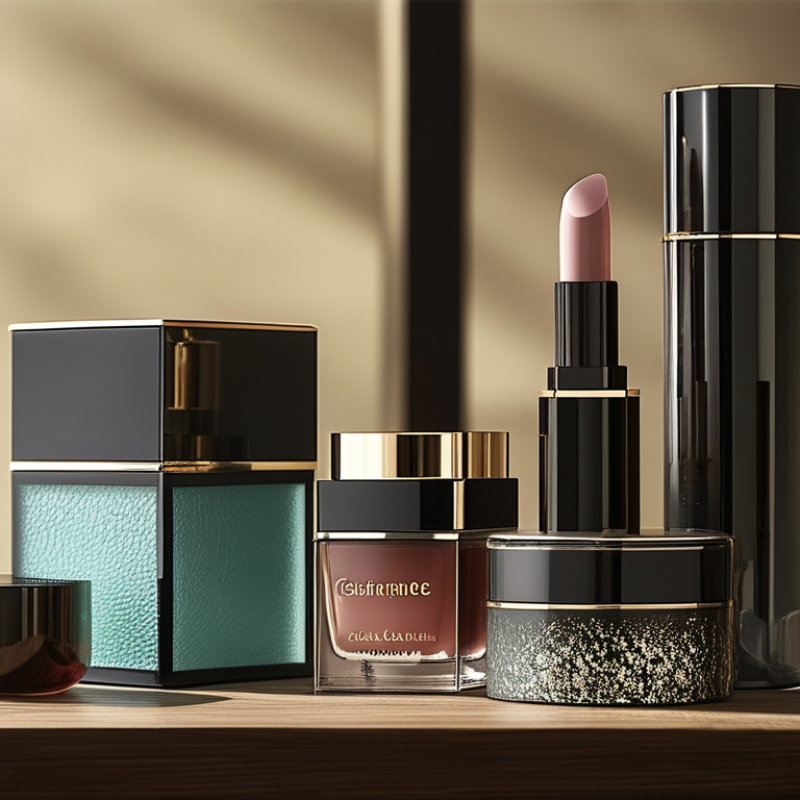
The Importance of Packaging in Luxury Beauty Brands
In the luxury beauty market, packaging plays a crucial role in shaping consumer perception. It's not just a protective layer; it represents the brand's identity and values. High-quality materials, intricate designs, and unique shapes can create a strong emotional connection with consumers. When an elegant bottle or a beautifully designed box catches the eye, it enhances the overall experience of luxury.
However, the effectiveness of packaging goes beyond aesthetics. Functionality is equally important. Packaging must keep products safe and fresh. A luxurious feeling can be diminished if the product spills or deteriorates. Balance is key; brands must invest in packaging that is both beautiful and practical.
Sustainability is another challenge luxury brands face. Increasingly, consumers demand eco-friendly packaging. This forces brands to rethink their packaging strategies. While some have made strides, others struggle with finding the right materials that align with luxury aesthetics. The journey of perfecting packaging is ongoing. Brands must continually reflect on their choices and adapt to consumer demands while maintaining their luxurious appeal.
Importance of Packaging in Luxury Beauty Brands
Key Materials Used in Luxury Beauty Packaging
Luxury beauty brands rely heavily on premium packaging materials to convey their exquisite quality. Common choices include glass and high-quality plastic.
Glass exudes sophistication and elegance, often used for scents and serums. It feels substantial and visually appealing, enhancing the overall experience. However, glass is fragile and can break easily. Brands must balance beauty with practicality.
Metal components also play a significant role in luxury packaging. Materials like aluminum offer durability and can be elegantly finished. They are lightweight, which helps in shipping. However, metal can tarnish and may not match the pristine look of glass. This inconsistency can detract from the overall experience.
Sustainable materials are becoming increasingly relevant in luxury beauty packaging. Biodegradable options, like recycled paper or plant-based plastics, appeal to eco-conscious consumers. Yet, these materials often lack the luxurious feel of traditional options.
Brands face the challenge of ensuring both luxury and sustainability. In a market that frowns upon waste, finding the perfect balance is essential for standing out.
Design Elements That Enhance Luxury Perception
Packaging plays a pivotal role in the luxury beauty sector. According to a recent report by McKinsey, 53% of consumers are influenced by packaging aesthetics when purchasing premium products. High-quality materials, unique shapes, and refined finishes significantly elevate the luxury perception of a brand. Glass containers, for instance, communicate sophistication, while heavyweights in design suggest quality.
Color psychology also shapes consumer opinions. A study published in the Journal of Brand Management found that 90% of snap judgments about products are based on color alone. Dark, rich colors often imply elegance and exclusivity. Consumers may underestimate the importance of texture, yet tactile experiences matter. A soft-touch matte finish can leave a lasting impression.
However, it's crucial to balance luxury with sustainability. Increasingly, consumers expect eco-friendly packaging. A survey by Statista indicated that 76% of consumers prefer brands that offer sustainable options. This presents a challenge: how to maintain luxury perceptions while prioritizing environmental responsibility. Brands find themselves at a crossroads, needing to innovate without sacrificing their core identity.
Sustainability Trends in Luxury Beauty Packaging
Sustainability in luxury beauty packaging is becoming a critical trend. A recent report by McKinsey indicates that 67% of consumers consider eco-friendly packaging when purchasing beauty products. This growing demand is pushing brands to rethink their materials and processes. Paper, glass, and biodegradable plastics are emerging as popular choices. Shifting toward these materials can reduce environmental impact and enhance brand perception.
However, not all brands are getting it right. A survey by Mintel reveals that only 34% of luxury beauty brands fully disclose their packaging materials. This lack of transparency raises concerns about greenwashing. Brands must genuinely commit to sustainable practices. They should invest in responsible sourcing and design. Innovation in packaging design, like refillable containers, is also essential. These elements can foster customer loyalty and promote a circular economy.
The challenge of balancing luxury appeal with sustainability remains. Luxury packaging often prioritizes aesthetics and perceived quality. This focus can conflict with sustainable choices. Brands risk alienating consumers if they fail to address these concerns. Understanding consumer values while maintaining luxury standards is crucial. Future success hinges on authenticity and commitment to sustainability.
Case Studies of Successful Luxury Beauty Packaging Strategies
Luxury beauty brands are redefining sophistication through their packaging. Successful strategies often blend aesthetics with functionality. For instance, the use of sustainable materials is increasingly popular. Brands are opting for glass over plastic, reflecting a commitment to environmental responsibility. This choice resonates with consumers who prioritize sustainability.
A notable strategy involves tactile elements. Textured boxes or embossed details enhance the unboxing experience. It creates a sense of anticipation and engagement. Colors and foiling techniques can also evoke emotions, capturing the essence of the brand's identity. For instance, a minimalist design can convey elegance, while vibrant colors may suggest creativity.
However, not every approach succeeds. Some brands overcomplicate their packaging, making it difficult to open. Others focus too much on visuals, neglecting the product's usability. Balancing aesthetics and practicality is crucial. This reflection can lead to improvements in packaging that truly enhance the luxury experience.
FAQS
: Luxury beauty packaging often uses glass, high-quality plastic, and metal components.
Glass conveys sophistication and elegance. It enhances the overall visual appeal.
Glass is fragile and can break easily, posing practical challenges for brands.
Metal components like aluminum are durable and lightweight, aiding in shipping efficiency.
Metal can tarnish and may not match the pristine look associated with glass.
Brands increasingly use biodegradable materials, balancing luxury with eco-conscious choices.
Sustainable options often lack the luxurious feel of traditional packaging materials.
Textured boxes and embossed details create excitement and engagement during unboxing.
Some brands complicate their designs, making them hard to open or use.
Balancing beauty and practicality improves overall user experience and brand reputation.
Conclusion
In exploring what packaging is best for luxury beauty brands, it becomes clear that packaging plays a crucial role in shaping consumer perception and brand identity. The right packaging not only protects the product but also conveys a sense of elegance and exclusivity. Key materials often utilized include high-quality glass, metal, and artisanal paper, which enhance the tactile experience and visual appeal.
Design elements such as minimalist aesthetics, intricate details, and unique shapes further elevate the luxury perception. Additionally, sustainability trends are increasingly influencing packaging choices, with brands seeking eco-friendly materials and practices that align with consumer values. Case studies illustrate successful strategies where innovative packaging not only attracts attention but also fosters brand loyalty, highlighting the importance of thoughtful design in the luxury beauty sector.

 Aurelia Glass